
As a dog owner, you may wonder when your furry friend stops being a puppy and becomes an adult dog. Dogs generally transition from the puppy stage to adulthood between 12 and 18 months. However, the exact timing can vary based on factors like breed and size. This change is exciting, but it can also come with challenges as your pet matures.

During this period, you will notice changes in your dog’s behavior and physical development. Puppies are known for their boundless energy and playful antics, while adult dogs tend to show more calmness and focus. Understanding these developmental stages can help you better support your pup as they grow.
It’s important to recognize the signs that your dog is leaving the puppy stage behind. Knowing when your dog becomes an adult can help you adjust training and care routines to meet their new needs. This guide will explore the key indicators to determine if your dog has officially moved on from being a lively puppy.
Understanding Puppyhood and Transition to Adulthood
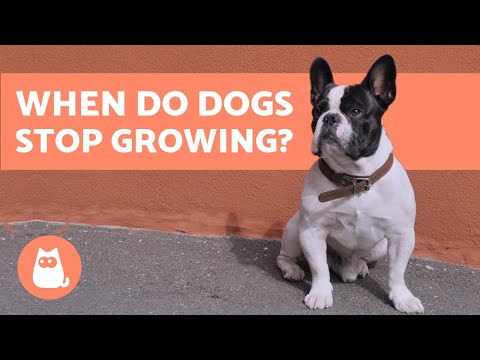
Puppyhood is an exciting and important time in your dog’s life. During this stage, your puppy experiences key physical and emotional changes as they prepare to become an adult dog. This section will explore the growth and development milestones that guide you through this transition.
Defining Puppyhood
Puppyhood generally lasts from birth to around one year of age. During this period, puppies go through several developmental stages that help shape their behavior and personality.
The early weeks focus on basic socialization. In these weeks, your puppy learns to interact with other animals and people.
By six months, they enter the adolescent phase. This is when their growth starts to slow, and they begin to show their unique personality traits.
Be aware that small breeds mature faster than larger ones, which can influence when your puppy transitions to adulthood.
Physical Maturity Milestones
Physical maturity in dogs varies by breed. Most puppies become physically mature around 12 months old, but this can differ for larger breeds, which may take up to 18 months.
During the first six months, your puppy experiences rapid growth rates. Their body transitions from a soft puppy form to a more defined adult shape.
Remember to provide a balanced diet to support proper development. Also, regular vet check-ups will ensure your puppy is on track with their age milestones in physical growth.
Around six months, your puppy may also reach sexual maturity. You’ll need to decide if you want to spay or neuter, which can affect their future behavior.
Behavioral and Emotional Development
As your puppy approaches adulthood, you may notice significant behavioral changes. Puppies require socialization and training to help them adapt to their world.
During puppyhood, they learn important skills. This includes how to interact with other dogs and humans. Early experiences can help reduce fearfulness and aggression later on.
As they reach emotional maturity, some puppies may become more independent. You might also see signs of anxiety related to separation as they begin to explore their environment.
Providing consistent training and positive reinforcement during this time can create a well-adjusted adult dog.
Health and Nutrition as Puppies Grow

As your puppy grows, proper health and nutrition become essential. It’s important to focus on their dietary needs and care during this crucial stage for strong development. Here’s what you need to know about feeding and dental care as your puppy matures.
The Importance of Proper Nutrition
Your puppy’s diet should be packed with nutrients that support their rapid growth. Puppy food is designed to provide the right balance of protein, fat, vitamins, and minerals. This helps ensure they develop strong bones and a healthy immune system.
Choose high-quality puppy food that meets AAFCO guidelines. Look for the first ingredient to be a meat source, as this is vital for muscle growth. Regular feeding schedules also help create a routine.
Make sure to consult your veterinarian for recommendations tailored to your puppy’s breed and size. They can help you choose the best food and monitor weight gain.
Puppy Teething and Dental Care
Puppies go through a teething phase that usually starts around three weeks of age. During this time, they will lose their baby teeth. You might notice some discomfort while they chew everything in sight. Providing appropriate toys will help soothe their gums.
At around six months, adult teeth start coming in. Good dental care is essential during this stage. Make sure to check their mouth regularly for any issues. Introduce brushing gently to keep their teeth healthy.
Consider dental chews to promote better dental hygiene. Regular veterinary check-ups will also help catch any potential dental problems early, ensuring your pup grows up healthy.
Transitioning to Adult Dog Food
As your puppy approaches their first birthday, it’s time to think about switching to adult dog food. This transition is important because adult food has different nutritional content suited for mature dogs.
Gradually mix adult dog food with your puppy’s current food over about a week. This helps prevent stomach upset and allows your dog to adjust easily.
During this transition, continue consulting your veterinarian. They can advise you on the right timing and type of food based on your dog’s breed and activity level. Remember, this change is key for maintaining their long-term health.
Training and Socializing Your Growing Puppy

Training and socialization are essential for your puppy’s development. A well-trained dog leads to a happy home, while proper socialization helps your pet behave well in different situations. Here’s what you need to know.
Basic Obedience and Crate Training
Starting with basic obedience sets a foundation for good behavior. Commands like “sit,” “stay,” and “come” are crucial. Use positive reinforcement with treats and praise to encourage your puppy.
Crate training is also valuable. It helps your puppy feel secure and makes house-training easier. Be sure to choose the right-sized crate. Your puppy should have enough space to stand, turn around, and lie down comfortably.
Gradually introduce the crate, using it for short periods. This can reduce the risk of separation anxiety later. Always keep training sessions short, around 5 to 10 minutes, to match your puppy’s energy and attention span.
Social Maturity and Public Behavior
As puppies grow, their social maturity becomes vital. Take your puppy to different environments to expose them to various sights, sounds, and people. Doggy daycare or outings with a dog walker can foster good social behavior.
Leash training is also important. Teach your puppy to walk calmly beside you. This provides good exercise and helps prevent destructive chewing or barking. Remember to encourage friendly interactions with other dogs. Monitor these encounters to ensure they remain positive and stress-free.
Social experiences shape your puppy to become a well-adjusted canine citizen, ready to handle public situations confidently.
Handling Behavioral Milestones
Each stage of your puppy’s growth comes with behavioral changes. Expect some teething and destructive chewing during the early months. Provide plenty of chew toys to help manage this.
Watch for signs of fear or anxiety, especially during loud events or new experiences. Socialization can counteract these feelings, so continue introducing your puppy to different places and people.
As your puppy matures, their energy and responsiveness to training may change. Some days they may seem more stubborn. Stay patient and consistent in your training. This will help you navigate these behavioral milestones successfully.
Healthcare Considerations for Young Dogs

Caring for your young dog goes beyond food and exercise. Regular veterinary care, spaying or neutering, and considering pet insurance are essential parts of keeping your puppy healthy and happy.
The Role of Regular Veterinary Visits
Regular visits to the veterinarian are important for your puppy’s health. Your vet will schedule vaccinations, which protect against diseases like parvovirus and distemper.
You should also keep up with a routine check-up schedule. Most vets recommend visits every three to four weeks until your dog is around 16 weeks old. This timeframe helps monitor growth and address any health concerns early.
During these visits, your vet will check your dog’s weight, teeth, and overall wellness. They’ll also provide guidance on diet and training, ensuring your puppy grows into a healthy adult.
Spaying or Neutering Your Dog
Spaying or neutering your dog is a critical decision for responsible pet ownership. This process not only prevents unwanted puppies but also offers health benefits.
For females, spaying reduces the risk of mammary tumors and eliminates ovarian and uterine cancers. For males, neutering can help prevent testicular cancer and reduce aggressive behavior.
You should consider scheduling this procedure around six to twelve months of age. Discuss this option with your veterinarian to choose the right timing for your pup’s health and development.
Investing in Pet Insurance
Pet insurance can be a worthwhile investment for your puppy’s future. It helps cover unexpected veterinary costs, including accidents and illnesses.
Before purchasing a policy, compare different options. Look for coverage that fits your budget and needs.
Some plans cover wellness visits, vaccinations, and routine surgeries.
Having pet insurance can give you peace of mind, knowing that your furry friend will receive necessary care without financial strain. This can be especially important as your dog grows and their healthcare needs change.


