
When considering the lifespan of dogs, many pet owners wonder if size truly matters. Research shows that small dogs often live longer than large dogs. Small dog breeds have average lifespans ranging from 12 to 16 years. This trend can be attributed to various factors, including how quickly larger dogs age compared to their smaller counterparts.

As a dog owner, it’s important to understand what influences your pet’s lifespan. While genetics and health play significant roles, lifestyle factors like diet and exercise also make a difference. Learning about these elements can help you provide the best care for your furry friend.
In this article, you’ll find insights and facts that explain why small dogs generally enjoy longer lives. By the end, you’ll have a better understanding of how to ensure your dog stays healthy and happy for as long as possible.
The Longevity of Small Dogs vs. Large Dogs

When considering pet ownership, the lifespan of dogs can significantly impact your choice. Generally, smaller dog breeds tend to have longer lifespans than larger breeds. Understanding these differences can help you make an informed decision when selecting your furry companion.
Lifespan Differences
Small dogs often live much longer than large dogs. On average, small breeds have a lifespan ranging from 12 to 16 years, while larger breeds typically live only 8 to 12 years. For instance, Chihuahuas can live between 15 and 17 years, while Great Danes may only reach 8 to 10 years.
The reasons behind this vary. Smaller dogs age more slowly than their larger counterparts. Larger dogs face more health issues, such as heart disease and joint problems, which can shorten their lifespans.
In a study, it was found that medium dogs live about 13.86 years, while large dogs average just 13.38 years. This shows a clear trend where size plays a crucial role in lifespan.
Size-Related Health Implications
The health of your dog is often linked to its size. Larger dogs generally experience more significant health challenges than small dogs. They are more prone to serious ailments like hip dysplasia, heart disease, and certain types of cancers.
For smaller breeds, issues such as dental problems and patellar luxation are more common. While these can be serious, they are often manageable.
As a result, smaller breeds generally enjoy better overall health. Investing time in regular vet checkups and a balanced diet is vital for both size categories, but you’ll find that smaller dogs may require slightly less intense medical care over their lifetime.
Factors Influencing Canine Longevity

Several important aspects can affect how long your dog lives. Understanding these can help you make better choices for your furry companion’s health and happiness.
Genetic and Breed-Specific Factors
Genetics play a key role in a dog’s lifespan. Smaller breeds often live longer than larger ones, with many passing the 15-year mark. For instance, Dachshunds and Chihuahuas are known for their longevity.
In contrast, larger dogs like Great Danes typically have shorter lifespans, averaging around 7 to 10 years. Genetic disorders can also affect health, especially in purebred dogs. Selective breeding can lead to certain health issues, such as hip dysplasia or heart problems, which may reduce longevity. On the other hand, mixed breed dogs often benefit from a wider gene pool, which helps lower their risk of inheriting these issues.
The Role of Diet and Exercise
What you feed your dog and how much exercise they get directly impact their health. A balanced diet rich in nutrients can help prevent obesity, which is a common issue among dogs. Look for food that lists meat as the first ingredient and contains vitamins and minerals.
Regular exercise keeps your dog healthy and maintains a healthy weight. Aim for at least 30 minutes of activity per day. This could include walks, playtime, or other engaging activities. Proper nutrition and exercise can also boost your dog’s cancer defenses, making them less likely to develop serious health issues.
Importance of Veterinary Care
Routine veterinary care is essential to your dog’s longevity. Regular check-ups can help catch health problems early, allowing for better treatment options. Your vet will recommend vaccinations, dental care, and preventative medications that protect against parasites and serious diseases.
As your dog ages, it becomes even more crucial to monitor their health closely. Older dogs may require more frequent visits to address specific concerns such as arthritis or heart disease. By staying proactive with veterinary care, you can help ensure your dog lives a longer and healthier life.
Scientific Research and Theories

Research provides fascinating insights into why small dogs tend to live longer than larger breeds. Various studies explore dog aging, health conditions, and evolutionary factors that contribute to differences in lifespan.
The Dog Aging Project Insights
The Dog Aging Project studies many breeds to understand aging in dogs. This project looks at factors like genetics, environment, and lifestyle. Findings show that smaller dogs often have a longer lifespan compared to larger ones.
Researchers have noted that small dogs generally age more slowly. This slower aging allows them to avoid some severe health issues. For example, large breeds often face serious conditions, including cancer, earlier in life. The differences in aging may be linked to their size and growth rates.
Another interesting aspect is that smaller breeds often have fewer genetic disorders. This can lead to a longer, healthier life. The Dog Aging Project continues to gather data, offering hope for better understanding canine health and longevity.
Life History Optimization Theory
Life History Optimization Theory examines how animals, including dogs, allocate resources to growth and reproduction. In smaller dogs, the strategy tends to favor longer lifespans. This means they may invest more in maintenance and survival.
Factors like litter size also play a role. Smaller dogs usually have fewer puppies in a litter. This allows them to focus more energy on each individual pup, leading to better care and longer lives.
Evolutionary lag is another concept tied to this theory. Larger dogs may reproduce faster but often face greater health risks as they grow. Understanding these theories can help you grasp why small dogs often enjoy longer lives.
Comparative Lifespans in the Animal Kingdom
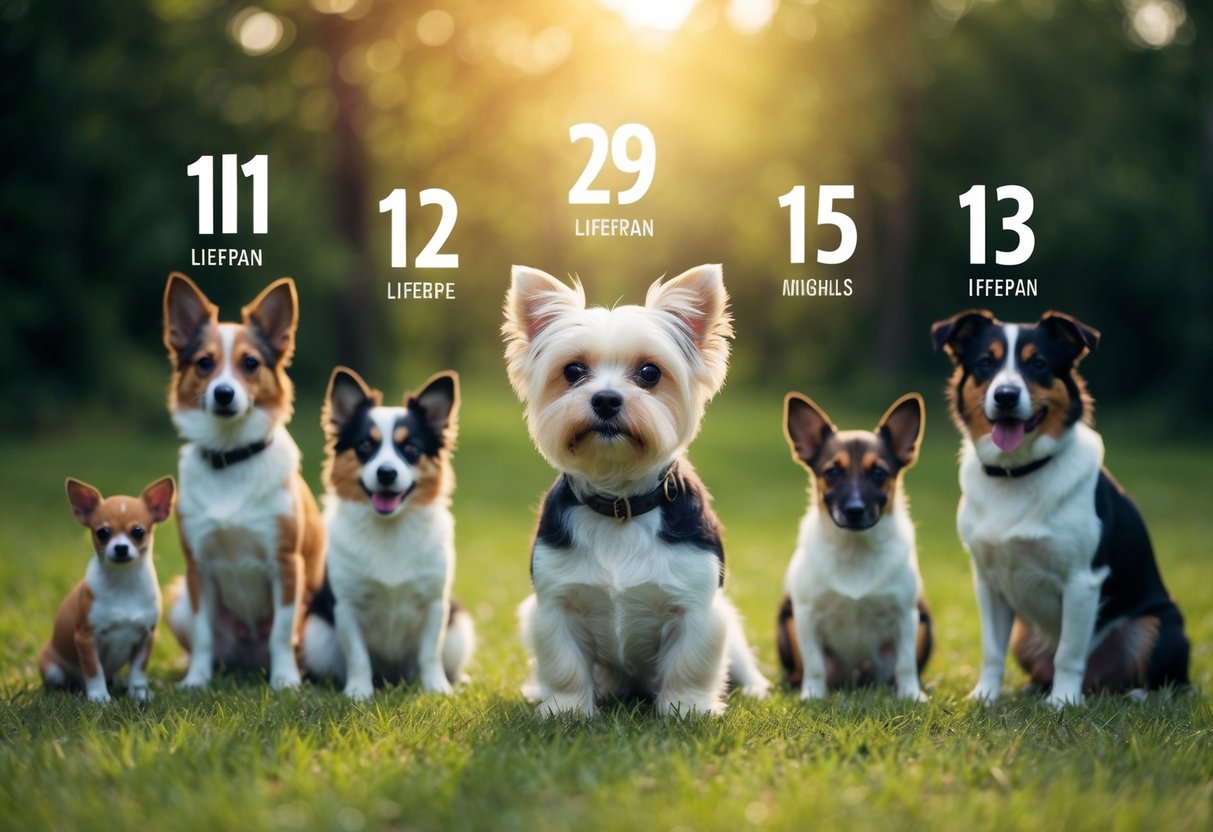
In the animal kingdom, fascinating trends emerge when it comes to lifespans. Generally, larger animals tend to live longer. For instance, elephants can live up to 60 years or more, while whales may exceed 100 years.
This pattern might seem strange when you look at small dogs. Breeds like Chihuahuas can have an average lifespan of around 12 to 20 years. This is much longer than many larger dog breeds and seems to break the typical trend.
In many species, smaller creatures often have shorter lifespans. For example, mice usually live around 2 years, while larger birds often outlive smaller ones.
Here’s a quick comparison:
| Animal | Average Lifespan |
|---|---|
| Elephant | 60+ years |
| Whale | 100+ years |
| Chihuahua | 12-20 years |
| Mouse | 2 years |
It’s curious how size can influence lifespan in many animals, but small dogs like Chihuahuas are a notable exception. Their longer lives reflect that not everything follows the same rules in nature.


