
As a dog owner, you’ve probably wondered, “Does my dog know I love him?” It’s a common question among pet parents, and the good news is that your dog likely does understand your love through your actions and interactions.
Dogs are incredibly perceptive to human emotions and can pick up on cues you may not even realize you’re giving.
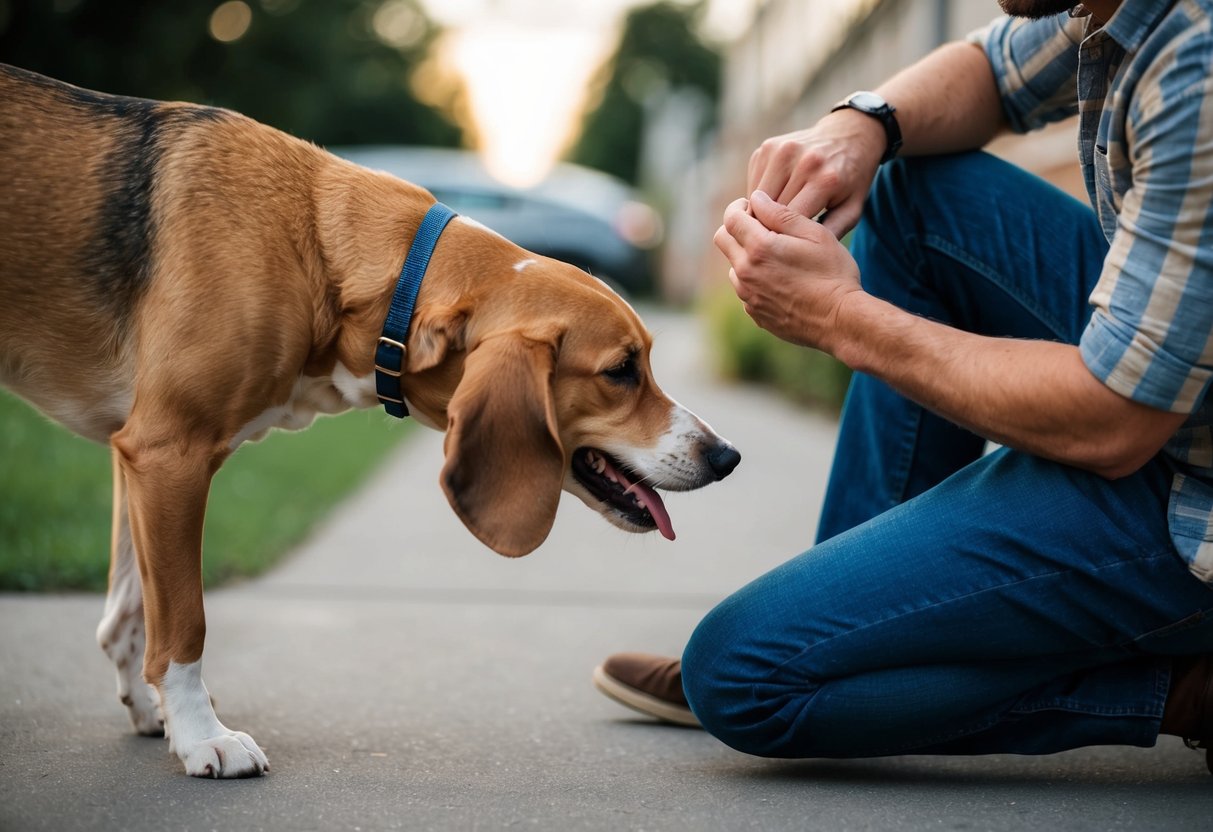
Your furry friend may show affection back in ways that confirm their love for you, like following you around or giving you those soulful puppy eyes. Recognizing these signs can deepen your bond with your dog and help you understand their feelings.
So, if you’re curious about whether your dog knows how much you care and what signs to look for, keep reading! You might be surprised at how your beloved pet expresses their emotions and what it all means for your relationship.
The Science of Dog Emotions

Understanding how dogs feel can strengthen the bond you share with your pet. Research into canine emotions reveals interesting insights about their ability to connect and communicate with you.
Canine Cognition
Dogs are smarter than many people realize. They can learn commands, recognize words, and even understand human emotions.
Studies show that dogs can pick up on your feelings through your body language and facial expressions. This ability to read your emotions plays a big role in dog trust.
When your dog senses your happiness or sadness, they respond accordingly. You might notice them bringing you a toy when you seem down or wagging their tail when you’re happy.
In a way, your dog becomes a mirror of your feelings. They form strong attachments and trust through these emotional connections.
Oxytocin and Dog Love
Oxytocin is often called the “love hormone.” This hormone is released when you bond with your dog.
Studies show that interacting with your dog can boost levels of oxytocin in both of you. When you pet or look into your dog’s eyes, this hormone floods your system.
This reaction creates feelings of love and affection. It’s a key factor in why dogs seem to have such a deep connection with their owners.
This hormonal connection helps explain why you feel joy when you see your dog. They’re not just pets; they’re companions that enhance your emotional well-being, reinforcing that special bond.
Recognizing Signs of Affection
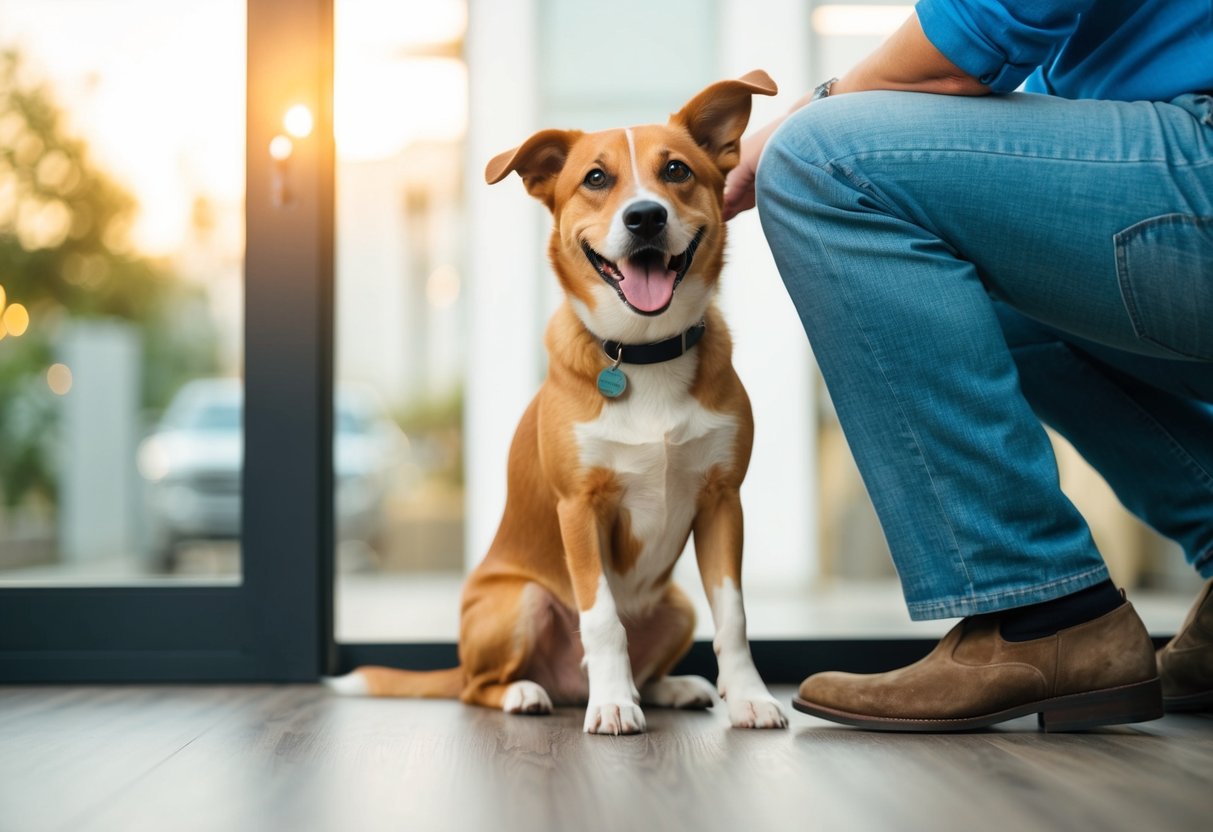
Dogs show their love in many ways. By paying attention to specific behaviors, you can better understand how your dog feels about you. These signs can be simple but meaningful, expressing the bond you share.
Tail Wagging and Puppy Eyes
A wagging tail is a classic sign that your dog is happy. When your dog’s tail moves quickly and excitedly, it often means they are feeling good, especially when they see you.
Puppy eyes add to this expression. When your dog looks at you with soft, relaxed eyes, it signals trust and affection. This gentle stare can melt your heart and shows how much they care.
If your dog combines these two signs, their love is clear. You can feel at ease knowing they cherish your presence.
Loving Eye Contact and Doggie Lean
When your dog looks you in the eyes, it builds a strong connection. Dogs often use eye contact to communicate with you.
A loving gaze can signify trust and affection. The doggie lean is another affectionate gesture. When your dog leans against you, it shows they feel safe and secure.
This closeness is a natural way for dogs to seek comfort. Together, loving eye contact and a doggie lean create a warm bond between you and your furry friend. These signs make it evident that your dog feels love and trust in your relationship.
The Dog Smile and Belly Rubs
You might notice your dog smiling when they are relaxed and happy. Their mouth may be open, with a soft expression that resembles a smile. This is a clear sign they enjoy your company.
Belly rubs encourage this happiness. When your dog rolls over and exposes their belly, they are showing trust and affection. This gesture invites you to interact and strengthens your bond.
Responding with gentle pets on their belly can amplify their joy and create a loving atmosphere. Recognizing these signs lets you know your dog knows you love them.
Building a Trusting Relationship
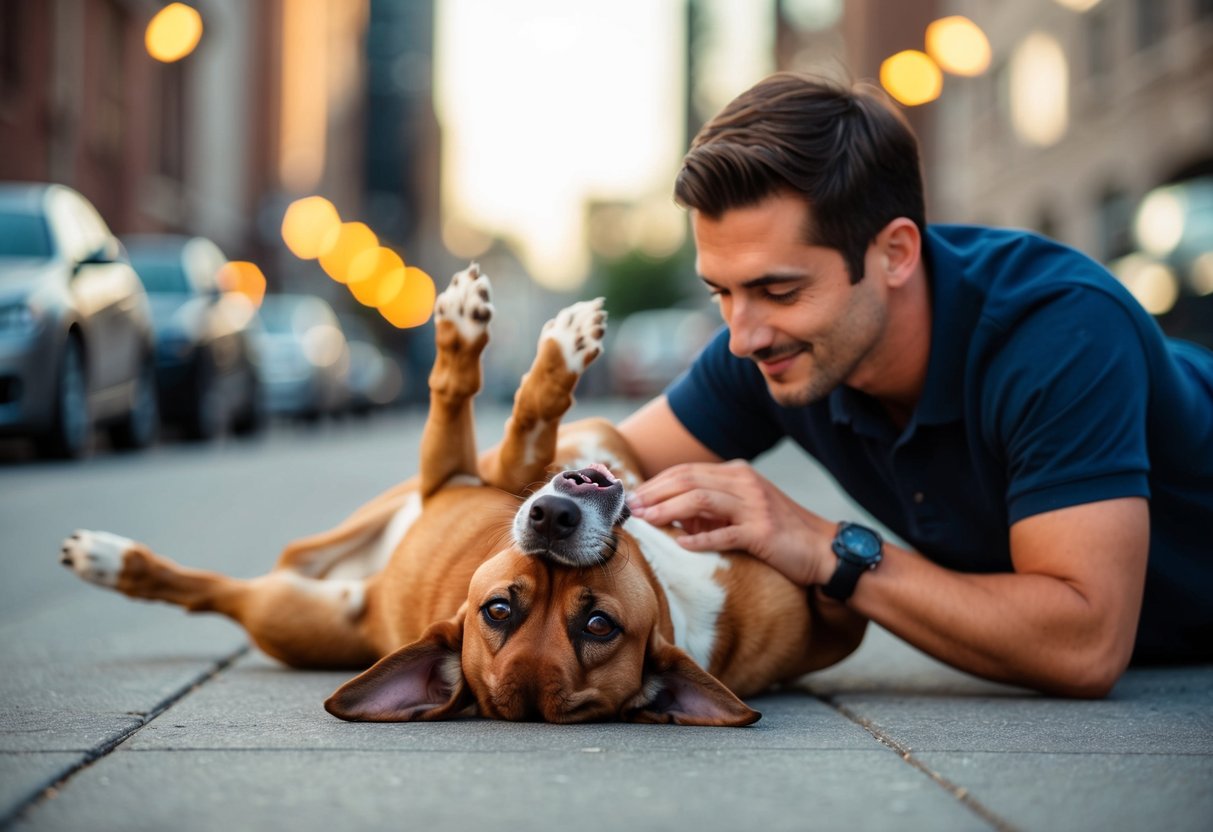
Creating a strong bond with your dog involves showing unconditional love and fostering trust. Understanding how your actions affect their feelings can lead to a happier relationship for both of you.
Unconditional Love and Trust
Dogs thrive on unconditional love. This means showing them affection without expecting anything in return. When your dog feels secure, they become more relaxed and willing to connect with you.
Trust builds over time. You can help develop this by being consistent in your training and interactions.
Always use positive reinforcement to encourage good behavior. This can include treats, praise, or playtime. Trust grows when your dog knows you will always keep them safe.
Remember, your dog learns from your body language too. When you are calm and friendly, your dog will feel more confident in your presence. This confidence fosters a deeper bond.
Show Your Dog You Love Them
Showing love can be simple yet powerful. Spend quality time with your dog through play and exercise. Activities like walks or fetch can strengthen your connection.
Use verbal praise and gentle petting to communicate affection. Dogs respond well to positive dog training methods. Make sure your dog knows they are appreciated.
Understanding your dog’s unique behavior is vital. If your dog leans against you or seeks your company, this is a sign they feel secure.
Pay attention to these signals, as they help you learn how your dog shows love. Being patient and responsive will help your dog feel understood. This understanding is key to building trust and a lasting bond.
Communicating Love to Your Dog
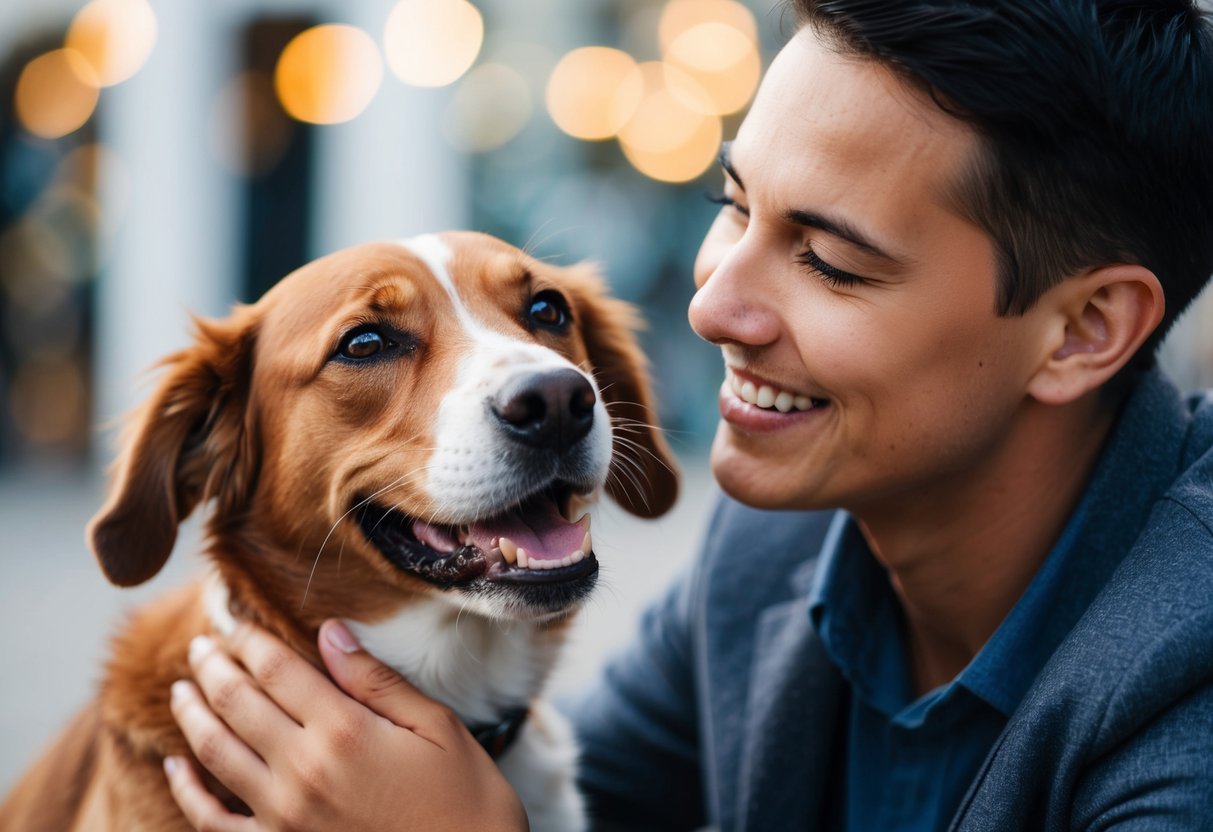
Showing love to your dog involves actions that speak louder than words. You can strengthen your bond through physical affection and quality time while also using training as a way to express care and support.
Physical Affection and Quality Time
Your dog thrives on physical affection. Simple gestures like gentle petting or cuddling can make your dog feel loved and secure.
When a dog stares at you and wags its tail, it’s a sign of trust and joy. Spend quality time together by going for walks, playing fetch, or just relaxing on the couch.
Incorporate activities that your dog enjoys. This could include taking trips to a dog park or engaging in fun games. Dogs also appreciate routine, so try to set aside time each day for these bonding moments.
Whether it’s a quick belly rub or a longer play session, these small acts show them they are loved.
Training and Positive Reinforcement
Training is another powerful way to show love to your dog. Consistent dog training helps your pet understand boundaries and builds confidence.
Use positive reinforcement techniques, such as treats or praise, when your dog follows commands or behaves well. This kind of interaction not only teaches your dog but also creates a deeper connection.
Your puppy will feel loved when you celebrate their achievements, no matter how small. Being patient during training fosters a loving environment, making your dog eager to learn.
Remember, the goal is to strengthen your bond while helping them feel secure and cared for.


