
Many dog owners notice that their pets love to sleep next to them. Dogs often seek this closeness because they feel a bond with their favorite person. They find comfort and security in your presence. This connection is not just about warmth; it reflects their need for companionship and affection.
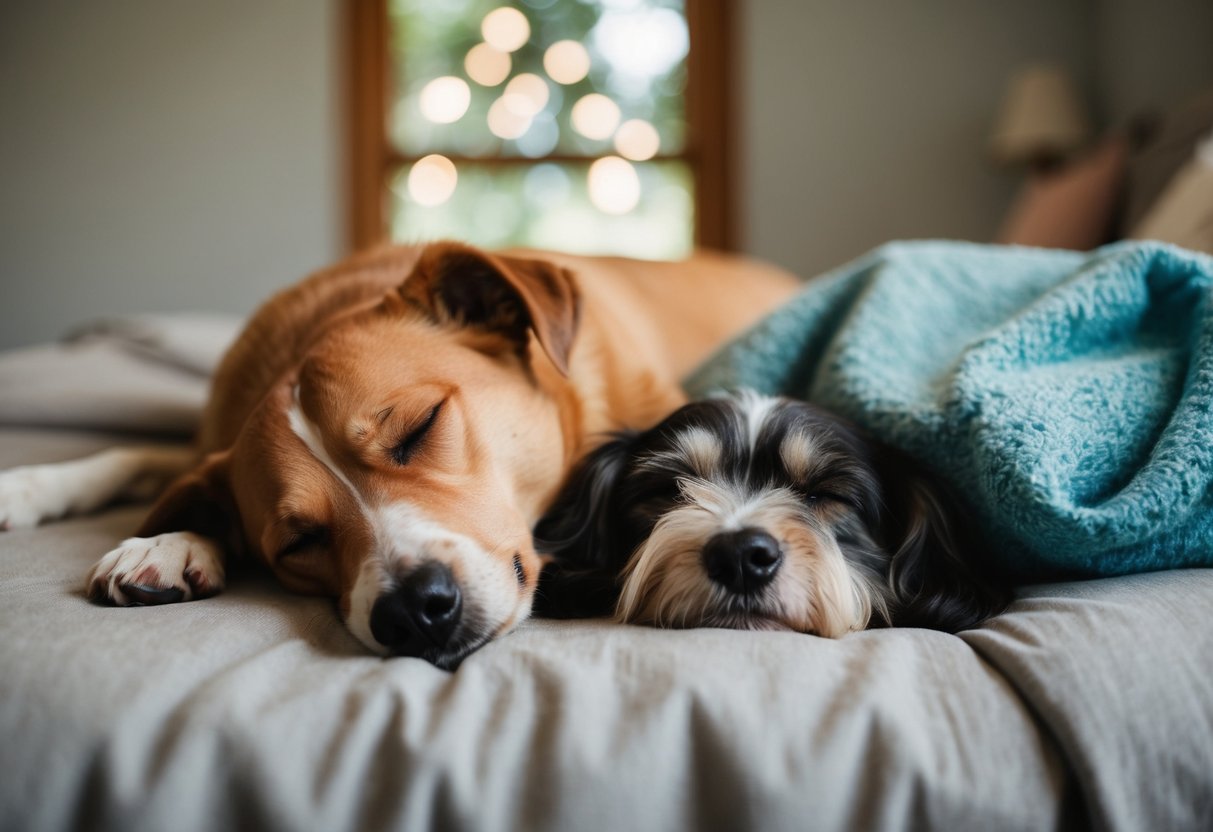
When your dog curls up beside you, it’s their way of showing loyalty and trust. Dogs are social animals, and they thrive on connection. By sleeping next to you, they feel safe and part of the pack, which is essential for their happiness.
Understanding why your dog prefers to snuggle up with you can deepen your bond. This simple act of sharing your space at night signifies that they truly appreciate your companionship. As you explore this topic, you’ll discover more about the reasons behind this heartwarming behavior and how it impacts your relationship with your furry friend.
Understanding Canine Companionship and Affection
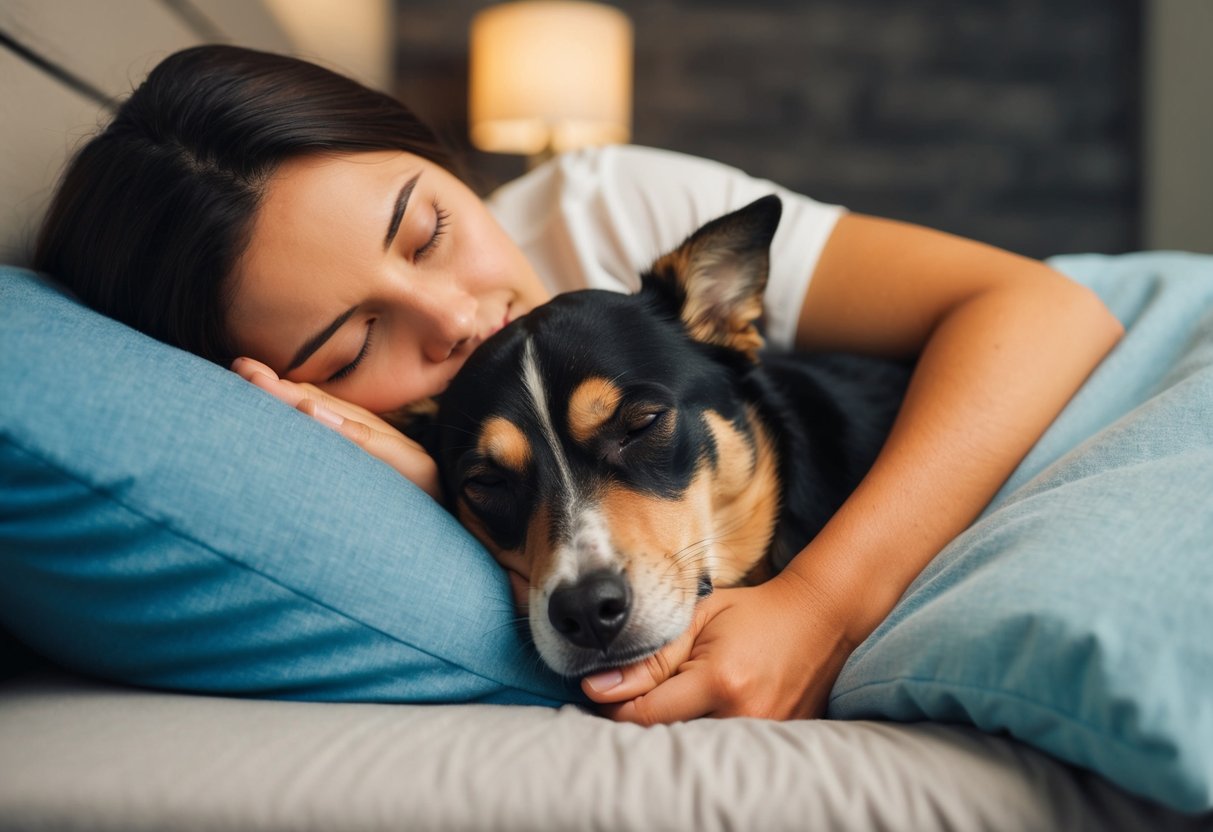
Dogs form deep connections with their owners that influence their behavior and well-being. These bonds are built on trust and loyalty, making your dog feel secure and loved. Understanding this companionship helps enhance your relationship with your furry friend.
Bonding Between Dogs and Their Owners
Bonding is crucial in strengthening the connection between you and your dog. It starts with positive interactions like playtime, training, and gentle affection. These activities help create shared experiences that foster loyalty.
Dogs are pack animals by nature. They thrive on companionship and want to be close to you. When your dog sleeps next to you, it shows they feel safe and loved. Your presence provides comfort and reassurance during the night, which is a significant part of their emotional health.
The Role of Trust and Emotional Connection
Trust is a key component of your relationship. When a dog chooses to sleep next to you, it indicates a strong emotional connection. Dogs are highly aware of human emotions and can sense when you are happy or stressed.
Establishing trust takes time and consistency. Simple actions like using a calm voice and providing treats can enhance this bond. Your dog’s ability to relax and sleep next to you reflects their confidence in your support and care.
Sleep Behavior and Significance in Dogs

Dogs have unique sleeping habits that reflect their need for comfort, warmth, and security. Understanding how they choose their sleeping spots and the role of routine can help you create a better environment for their rest.
How Dogs Choose Their Sleeping Spots
Dogs often select their sleeping spots based on instinct and emotional needs. They seek places that feel secure and safe. This might mean curling up next to you or selecting a cozy corner of the couch.
Factors influencing their choice:
- Comfort: A soft surface helps them feel relaxed.
- Warmth: Dogs prefer warm areas to keep cozy during sleep.
- Security: They choose spots where they feel protected from threats.
Breeds with strong pack instincts may show separation anxiety if left alone. This can lead them to pick sleeping spots near you for reassurance.
The Importance of Routine and Safety in Sleep
Establishing a consistent sleep routine is crucial for your dog’s well-being. Predictable sleeping patterns contribute to their overall comfort and reduce anxiety.
Key aspects of routine:
- Set Bedtime: Go to bed at the same time each night to promote healthy sleep cycles.
- Safe Space: Offer a designated area that feels secure, like a dog bed or crate.
- Calming Environment: Use calming aids, like soft music, to help relax your dog before sleep.
A safe and comforting routine helps your dog drift into a deep slumber. This can improve their mood and behavior during the day.
Factors Influencing Dogs’ Sleeping Preferences

Dogs have unique ways of choosing their sleeping partners, influenced by their senses and emotions. Understanding these influences can enhance your bond with your furry friend.
The Science of Scent and Security
Dogs rely heavily on their sense of smell. They can detect scents that remind them of their caregivers. When you spend time with your dog, your scent becomes comforting. This scent plays a big role in their sense of security.
Dogs feel safe when they sleep near someone they trust. Your presence can provide warmth and reduce anxiety. Their preference to sleep with you shows their need for comfort. It reflects the bond built on trust and care over time.
Behavioral Tendencies and Personal Attachment
Every dog has its own personality and attachment style. Some dogs are more independent and might like sleeping alone. Others are very social and prefer to stay close to their chosen person.
Your dog watches your body language and reactions. If you show attention and affection, they may want to be near you more often. Your interactions, such as playtime and cuddling, strengthen this bond.
Factors Influencing Your Dog’s Choice:
- Trust: A scared dog may sleep solo.
- Energy: High-energy dogs might want to snuggle after being active.
- Boundaries: If you create a peaceful space, they may choose to stay near you.
The connection is not just physical. It encompasses emotions and shared experiences.
Promoting a Healthy Sleep Environment for Your Dog
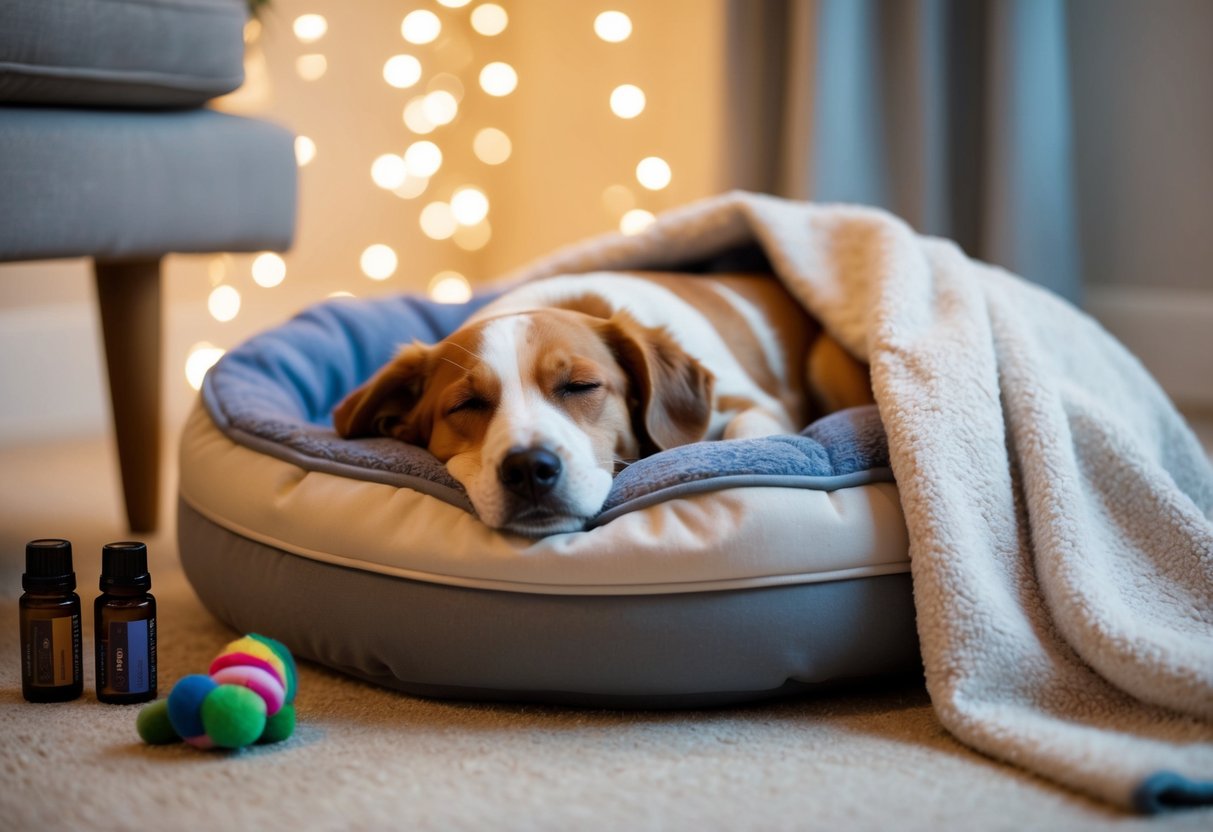
Creating a comfortable and secure sleeping space for your dog is essential. This not only helps them feel safe but can also improve their overall health and sleep quality. Here are two important aspects to consider.
Establishing Boundaries and Positive Associations
To promote a healthy sleep environment, start by establishing clear boundaries. Decide where your dog can sleep, whether it’s in your bed or their own space. This helps them understand their territory.
Use positive reinforcement to encourage good sleep habits. Reward your dog with treats or praise when they settle in their designated area. This creates a positive association with their sleeping spot.
Make their sleeping space comfortable by adding a soft bed or blanket. A cozy environment promotes relaxation. If your dog seems anxious, consider calming aids like music or pheromone diffusers. These can help them feel secure and less protective of your space.
Consulting Experts for Behavioral Support
If your dog struggles with sleep or separation anxiety, you should consult a dog trainer or animal behaviorist. These professionals can provide tailored strategies to help your dog feel secure and independent.
Sometimes, behavioral issues arise from health concerns. A psychologist or veterinarian can evaluate your dog to rule out any underlying conditions. Addressing these issues can improve sleep quality.
Engage with experts to understand your dog’s needs better. They can help you work on routines that build confidence and promote restful sleep. With the right support, your dog can enjoy a more comfortable sleeping environment.


