
If you’ve ever wondered whether your dog can recognize their own puppies years later, you’re not alone. Many dog owners are curious about the connections between dogs and their offspring. Research shows that dogs can indeed recognize their pups, even long after they have been separated. This ability is rooted more in scent than memory, making it a fascinating aspect of a dog’s behavior.
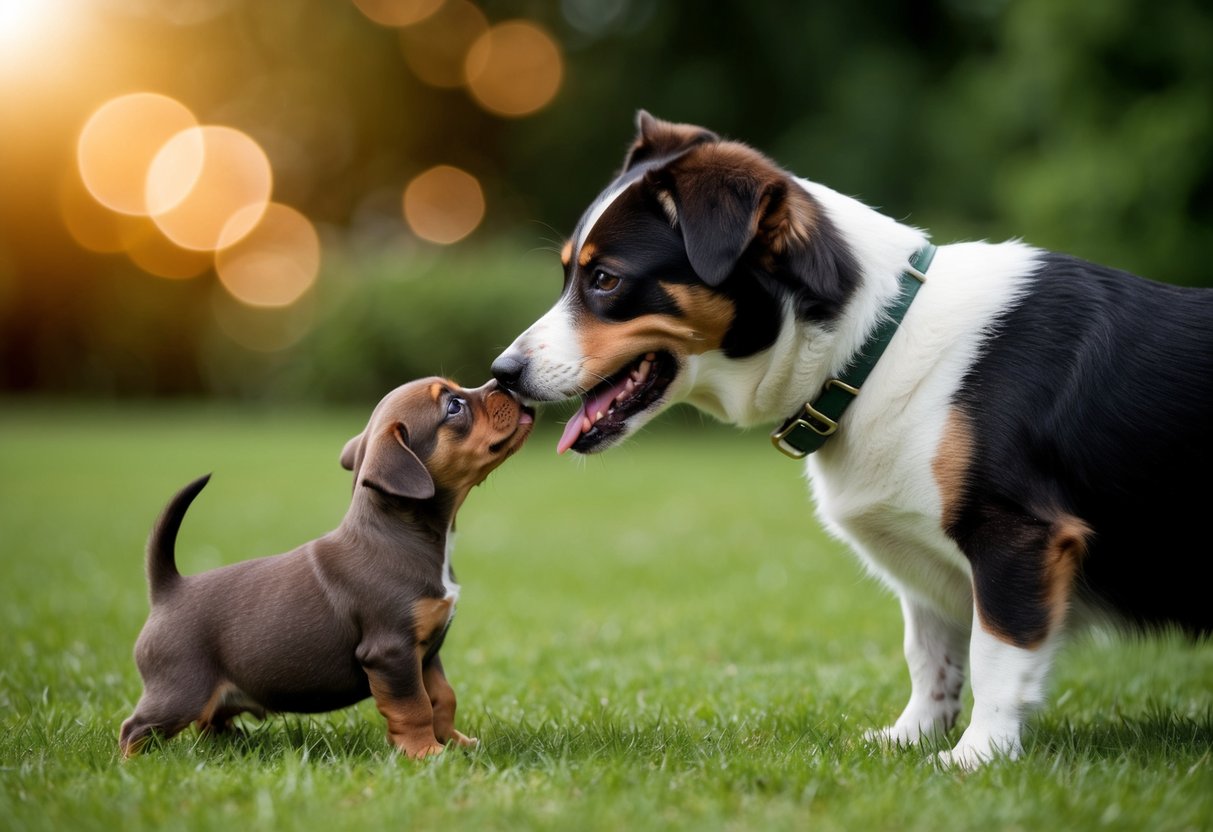
Domestic dogs experience a different relationship with their young than wild animals do. While wolf pups typically stay with their parents for several years, pet dogs often do not have that kind of prolonged bond. Still, this doesn’t mean your dog has forgotten their puppies. In fact, the connections they form can be quite strong, especially if the puppies stay in the same home.
As a dog lover, understanding these ties can deepen your appreciation for your furry friend. You might find it heartwarming to learn how your dog’s instincts play a role in their relationships with their offspring, and this can inspire you to nurture that bond even more.
Canine Cognition and Memory

Dogs have fascinating ways of remembering people, places, and experiences. Their memory plays a key role in how they interact with their families. Understanding dog memory can help you strengthen your bond with your pet.
Understanding Dog Memory
Dog memory is quite different from human memory. While humans often rely on detailed recollections, dogs use associative memory. This means they remember based on experiences linked to emotions or specific cues.
For example, if you always walk your dog after dinner, they may get excited at just the sight of their leash. This association helps dogs learn routines and recognize family members, including children.
Imprinting in Dogs
Imprinting is crucial in a dog’s early life. It refers to the process where puppies learn to recognize their caregivers and important figures during their critical development phase. This usually happens within the first few months of life.
A puppy that has been well-socialized will form strong bonds and may remember faces and scents for years. This connection can make your dog more loyal to family members, including children who have spent time with them.
Long-Term Memory in Canines
Dogs can also have impressive long-term memory. Research shows they can remember specific commands, routines, and even people they haven’t seen in a while.
Their long-term memory is built on repetition and positive reinforcement. For example, consistent training helps dogs remember commands even after months of not practicing. Studies reveal that dogs can retain information over time, making them capable companions with enduring memories of their loved ones.
Parent-Offspring Recognition
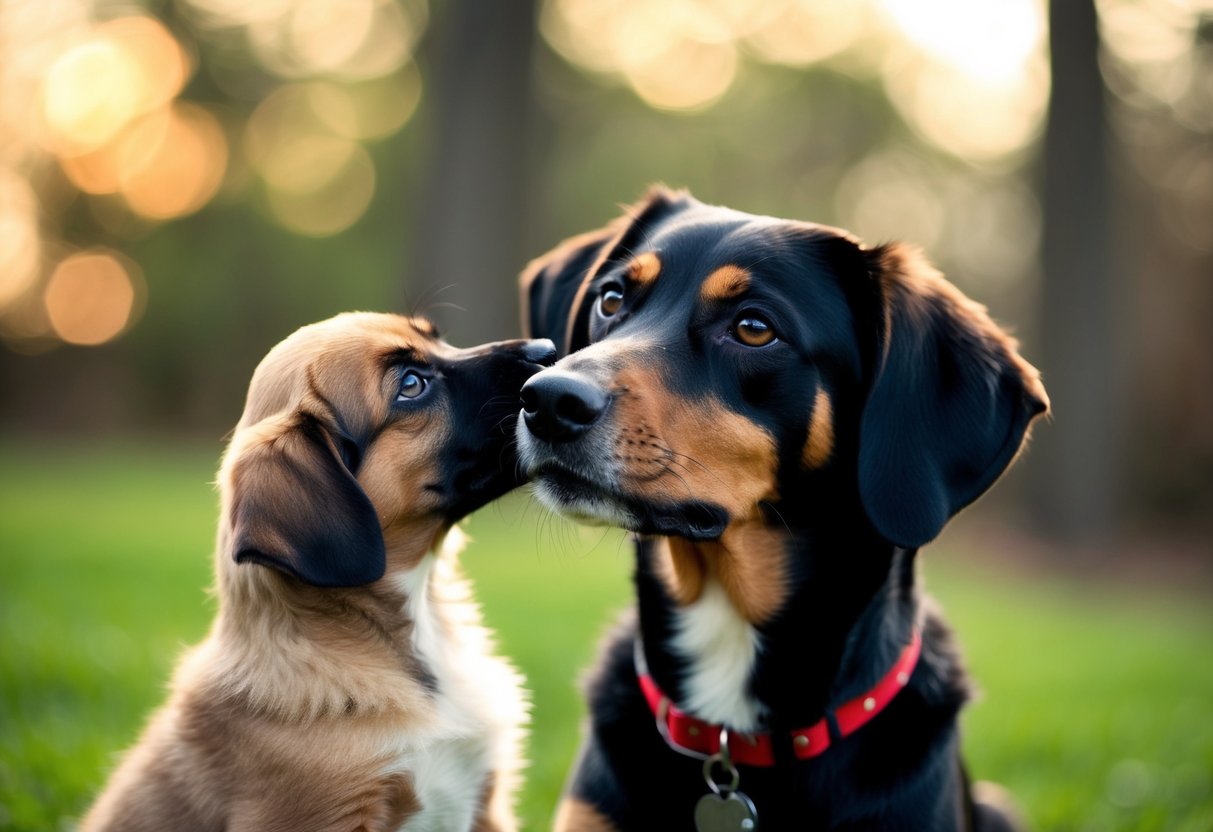
Dogs have a unique way of recognizing their young, and their ability to remember their mothers is also quite fascinating. Understanding these connections helps you appreciate the strong bonds they can form.
Do Dogs Recognize Their Offspring?
Yes, dogs can recognize their puppies even after years apart. Female dogs, or dams, typically form a special bond with their young based on scent and familiarity. This bond is partly due to oxytocin, a hormone that influences social behaviors.
Research shows that puppies can recognize their siblings and mother at a young age, around 4 to 5.5 weeks. Two years later, a mother dog may still recognize her offspring.
Interestingly, male dogs may not retain the same recognition of their siblings unless they have spent time together. The general ability to recognize pups highlights the importance of early socialization.
Do Dogs Remember Their Mothers?
Dogs do remember their mothers and can form lasting memories. Studies indicate that a dog can retain the scent of their mother for as long as two years after separation. This memory helps them recognize her if they meet again.
Research suggests that female dogs may have a stronger memory of their mothers compared to male dogs. They may show a preference for items with their mother’s scent, proving that the mother-child bond remains strong. The capacity to remember enhances not just the bond between the dam and her pups but also contributes to the social behaviors seen in dogs throughout their lives.
Behavior And Social Bonds
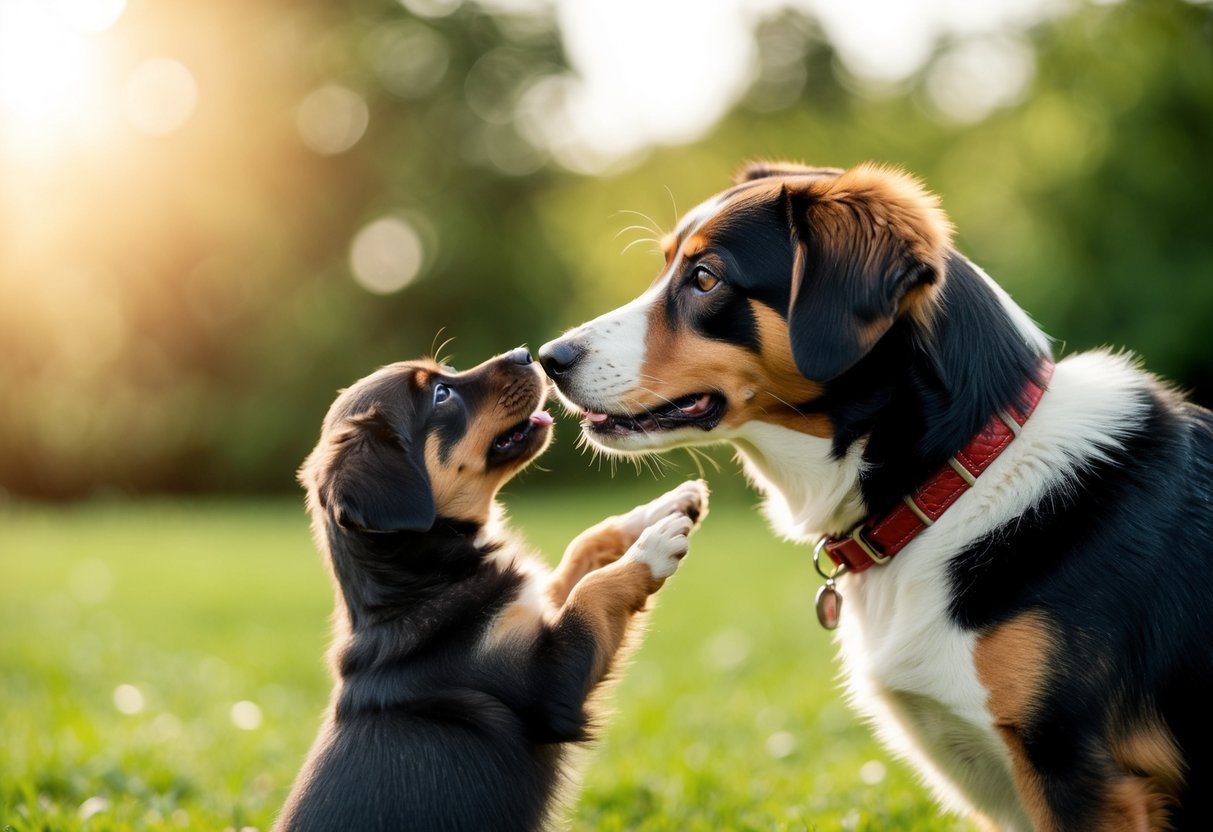
Understanding how dogs interact with babies highlights the special bonds that can form between them. Various signs indicate a dog’s interest in children, influenced by strong socialization and the presence of oxytocin, often called the “love hormone.”
Signs Dogs Are Interested in Babies
When dogs are intrigued by babies, you might notice certain behaviors. Here are key signs:
- Calmness: Your dog may become more relaxed when around a baby.
- Curiosity: They may sniff or closely observe the baby’s movements.
- Affectionate Behavior: Leaning in, gentle nudges, or soft licks can show they want to connect.
- Protectiveness: A dog might position themselves between the baby and strangers, indicating a nurturing instinct.
Socialization plays a big role here. If your dog has been exposed to babies during training or in various environments, they are more likely to show positive interest.
Influence of Oxytocin
Oxytocin is important in creating bonds. When you pet your dog or they interact with a child, both your levels of oxytocin can rise. This hormone helps build trust and affection.
In a study, researchers found that dogs interact more positively with children, enhancing their emotional connection. This bonding is crucial, especially when the dog is well-socialized and trained.
By nurturing these interactions, you encourage a loving relationship that benefits both your dog and your child. Just ensure the experiences are positive, promoting a healthy environment for them to grow together.


