
As a dog owner, you might wonder how long your furry friend could live. Much like humans, a dog’s breed, size, and overall health can affect their average life expectancy. While some small breeds can live into their late teens, dogs do not typically reach the age of 100.

Different dog sizes also have different life expectancies. Smaller breeds often live longer than larger ones. For example, Chihuahuas can expect to live around 14-16 years, while giant breeds like Great Danes usually live only about 7 to 10 years.
Health, diet, and lifestyle choices also play a significant role in determining how long your dog will be by your side.
Understanding the factors influencing life expectancy helps you provide the best care for your dog. Regular vet visits, a balanced diet, exercise, and mental stimulation contribute to a longer, happier life.
Understanding Dog Life Expectancy

Dog life expectancy varies widely based on breed, size, and health. Knowing how long dogs typically live can help you plan for their care and well-being.
Life Expectancy Across Breeds
Different dog breeds have different lifespans. Generally, smaller breeds tend to live longer than larger or giant breeds. For example, small breeds like Chihuahuas can live up to 15 years or more. In contrast, larger breeds like Rottweilers often have an average lifespan of around 9 years.
Here’s a brief overview of average lifespans by size:
- Small Breeds: 12-16 years
- Medium Breeds: 10-13 years
- Large Breeds: 8-12 years
- Giant Breeds: 6-10 years
Mixed-breed dogs usually enjoy better lifespans compared to purebred dogs. This could be due to a wider genetic pool that can reduce health issues.
Aging in Dog Years vs Human Years
Converting dog years into human years isn’t straightforward. The common rule of thumb is that one dog year equals about seven human years. However, this varies by size and breed.
For example, the first year of a dog’s life is more like 15 human years. The second year adds about 9 more years, and each year after adds 4-7 years, depending on the size of the dog.
This means that a dog like Bluey, who lived to be 29 years old, is quite an exception! Understanding this aging process helps you recognize when your dog might be considered “senior” or “old.”
Record Holders for Longevity
The oldest dog ever recorded was an Australian Cattle Dog named Bluey, who lived to be 29 years and 5 months old. This remarkable lifespan is very rare among dogs.
The longest-living dog breeds often include smaller breeds like Dachshunds and Toy Poodles. These breeds can sometimes reach 20 years of age.
It’s essential to prioritize your dog’s health through regular check-ups, a balanced diet, and exercise to help them reach their full lifespan potential.
Genetics and Health Factors
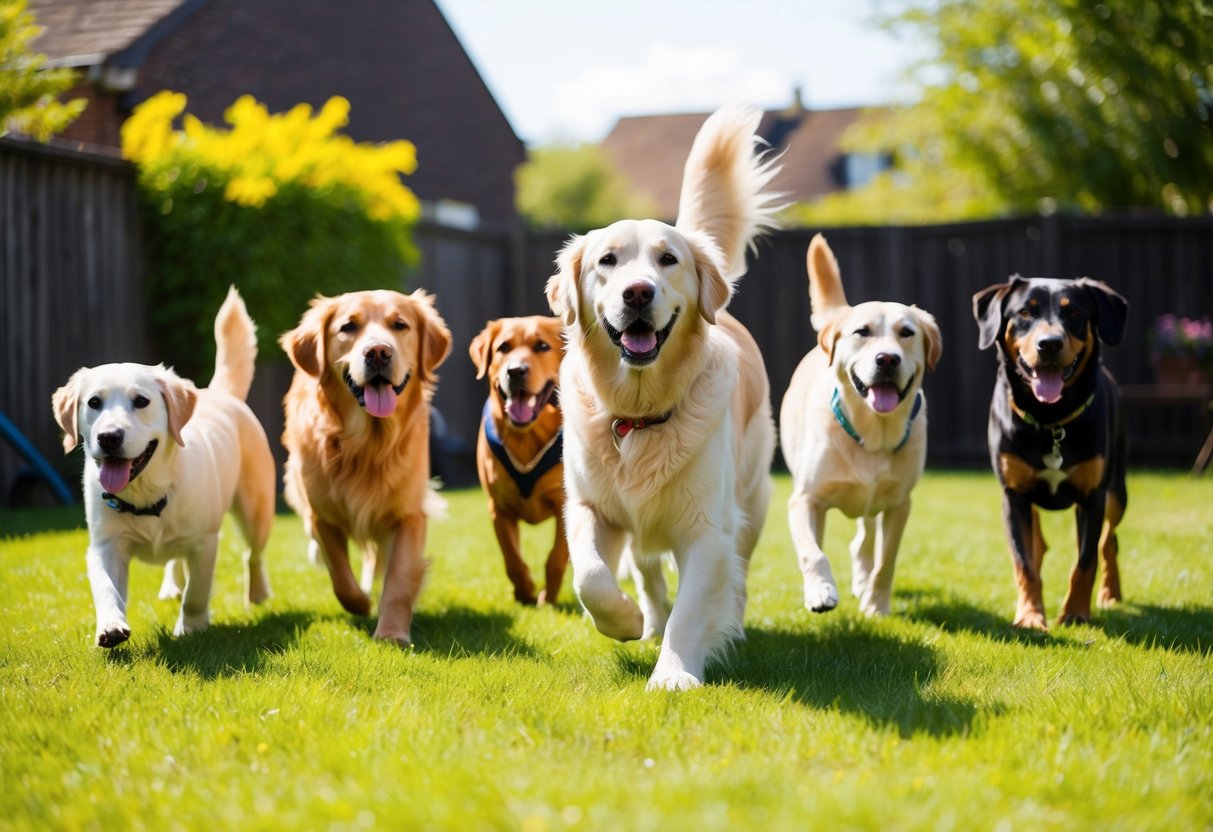
Genetics and health play crucial roles in how long your dog might live. Certain breeds come with inherent characteristics that affect their longevity, while health issues can significantly shorten their lifespan. Understanding these factors can help you make better choices for your furry friend.
The Role of Genetics in Longevity
Genetics is a major factor when it comes to your dog’s lifespan. Some breeds naturally live longer than others. For example, small breeds like the Chihuahua often live into their late teens, while large breeds such as the Great Dane or Bernese Mountain Dog tend to have shorter lifespans, commonly around 7 to 10 years.
Specific genetic traits can also lead to certain health issues. For instance, breeds like the Rottweiler and Irish Setter are more prone to cancer, which can lead to earlier death. Furthermore, spaying and neutering may influence health and longevity. While spaying and neutering can prevent certain conditions, they can also have other health implications.
Impact of Health Issues and Diseases
Health issues can be a significant barrier to a long life for your dog. Common problems include obesity, which affects not just mobility but also leads to diabetes and joint issues.
Making sure your dog maintains a healthy weight is essential for their well-being.
Infectious diseases can also impact longevity. Vaccination and regular vet check-ups are important to prevent conditions that could shorten your dog’s life.
For breeds like the Scottish Deerhound or Giant Schnauzer, being aware of specific hereditary illnesses can guide your choices for a healthier life.
Overall health practices, including a balanced diet and regular exercise, are key for longevity. Additionally, you should keep an eye on your dog for signs of trauma or unusual behavior that could indicate underlying health problems.
Improving Your Dog’s Longevity
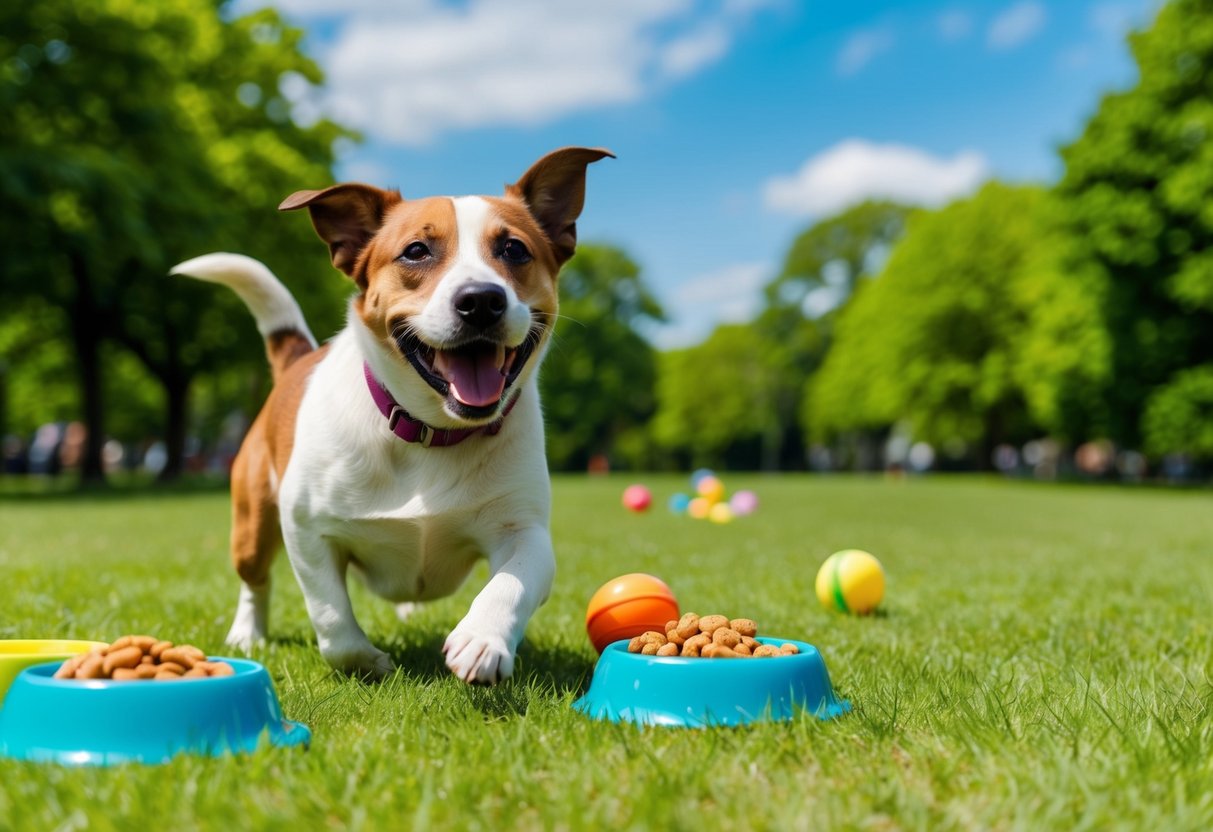
You can take several steps to help improve your dog’s lifespan and overall quality of life. By focusing on exercise, diet, regular vet care, and building a strong bond with your furry friend, you can make a positive impact on their health.
Exercise and Weight Management
Regular exercise is crucial for your dog’s health. Just like us, dogs need physical activity to stay fit and happy. Aim for daily walks or active playtime.
Here are some tips for effective exercise:
- Mix it Up: Try different activities like fetch, frisbee, or swimming.
- Adjust for Size: Large dog breeds may need more exercise than smaller or mixed breed dogs.
- Watch for Signs: If your dog seems tired or overheated, it’s time for a break.
Maintaining a healthy weight is also vital. Obesity can lead to serious health issues and can shorten your dog’s lifespan. Keep an eye on their weight and consult your vet if you notice significant changes.
Quality Diet and Regular Vet Care
A balanced diet plays a significant role in your dog’s longevity. Provide high-quality dog food that meets your dog’s specific needs, considering their age, size, and health.
Key dietary points to remember:
- Limit Treats: Treats should only make up a small portion of their daily intake.
- Stay Hydrated: Always provide fresh water and monitor hydration, especially after exercise.
Regular vet visits are equally important. Routine check-ups help catch any potential health issues early on. Your vet can provide valuable advice on diet and exercise tailored to your pet’s breed and lifestyle.
The Bond and Care From a Pet Parent
Your dog needs the connection you share with them. Spending quality time together fosters trust and happiness. Take the time to play, cuddle, and simply be present.
Ways to strengthen your bond:
- Routine: Establish daily routines for feeding, exercise, and play. This stability helps your dog feel secure.
- Training: Engaging in training exercises can build your dog’s confidence and reinforce your bond.
- Positive Reinforcement: Reward good behavior with praise or treats to enhance your relationship.
Showing love and care plays a significant role in their happiness and overall health, which can positively affect their lifespan.


