
Indoor rabbits can make wonderful pets, bringing joy and companionship into your home. If you are considering getting a rabbit or already have one curled up in your living room, you might wonder how long they can actually live indoors. The average lifespan of a pet rabbit kept indoors ranges from 8 to 12 years, with some well-cared-for rabbits even reaching up to 15 years or more.
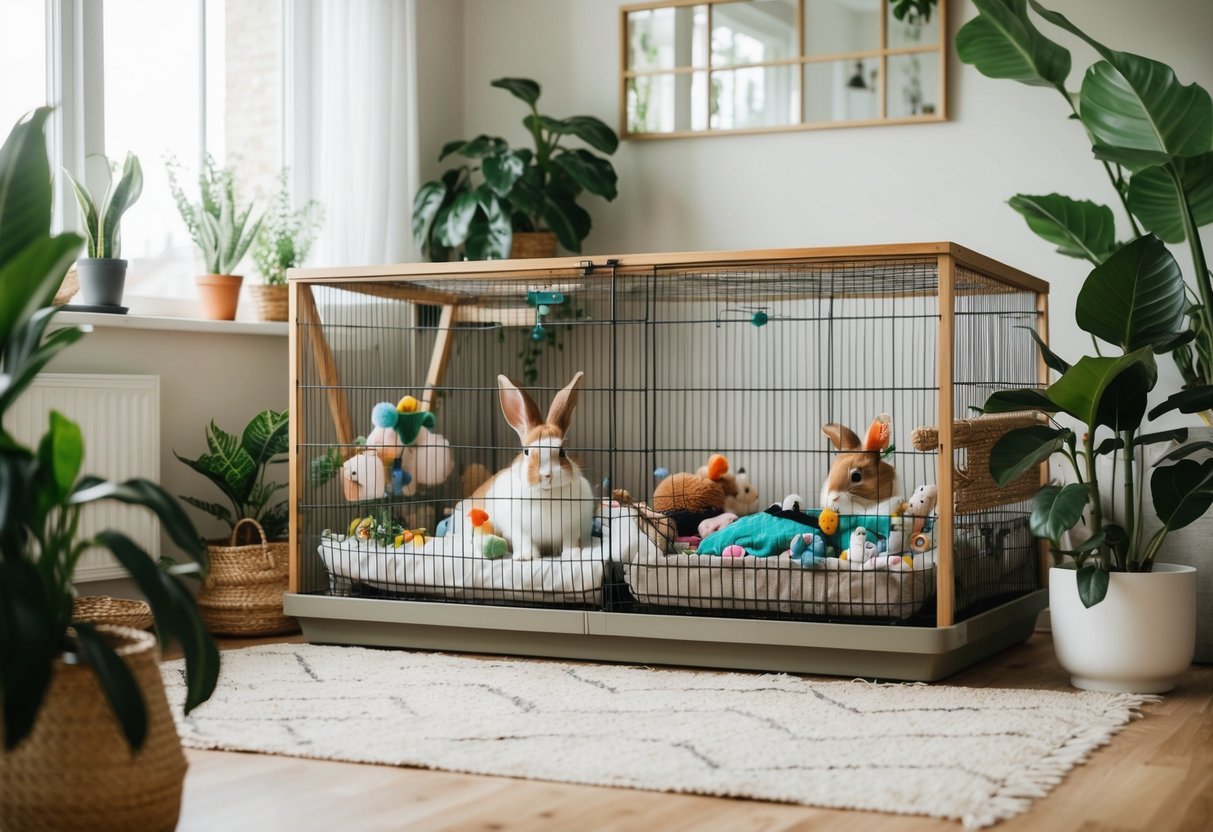
Creating a comfortable and enriched space for your rabbit is key to maximizing their lifespan. Providing a safe environment with enough room to hop around, play, and explore will help keep them healthy and happy.
Your rabbit will thrive with proper care, including a balanced diet and regular check-ups.
Understanding these factors can help you take the best care possible of your furry friend, ensuring they enjoy a long and fulfilling life by your side. As you read on, you’ll discover more about the specific needs that can positively impact your rabbit’s lifespan and well-being.
Understanding Rabbit Lifespan

When it comes to rabbits, their lifespan can vary based on several important factors. Knowing these details can help you care for your pet better and ensure they live a happy life.
Average Lifespan of a Pet Rabbit
Most pet rabbits live between 8 to 12 years. This range can change depending on their breed and care. For example, some smaller breeds may even live longer lives. With good diet, regular vet check-ups, and proper living conditions, rabbits can sometimes reach ages of 14 or 15 years.
A well-balanced diet is essential. Fresh hay, vegetables, and quality pellets help keep your rabbit healthy. Regular exercise also plays a crucial role in extending their life.
Oldest Rabbit Records
The oldest recorded rabbit lived to be 16 years old! This remarkable bunny was named Michelle and lived in the United Kingdom. Such cases show that with the right care, rabbits can live much longer than average.
While not every rabbit will reach this age, it is a reminder of what’s possible. It highlights the importance of looking after your rabbit’s health from the very beginning. Proper care can lead to surprising results.
Factors that Influence Lifespan
Several factors can affect how long your rabbit might live. Breed is one of the main influences. Some breeds are known to have shorter lifespans than others. For example, giant breeds may not live as long as smaller ones.
Diet is also key. A diet high in fiber and low in sugar keeps your rabbit healthy. Living conditions matter too. A safe and clean environment can prevent many health issues.
Lastly, regular vet visits help catch potential problems early. All these elements combined can greatly affect your rabbit’s journey and overall happiness.
Optimal Care for Indoor Rabbits
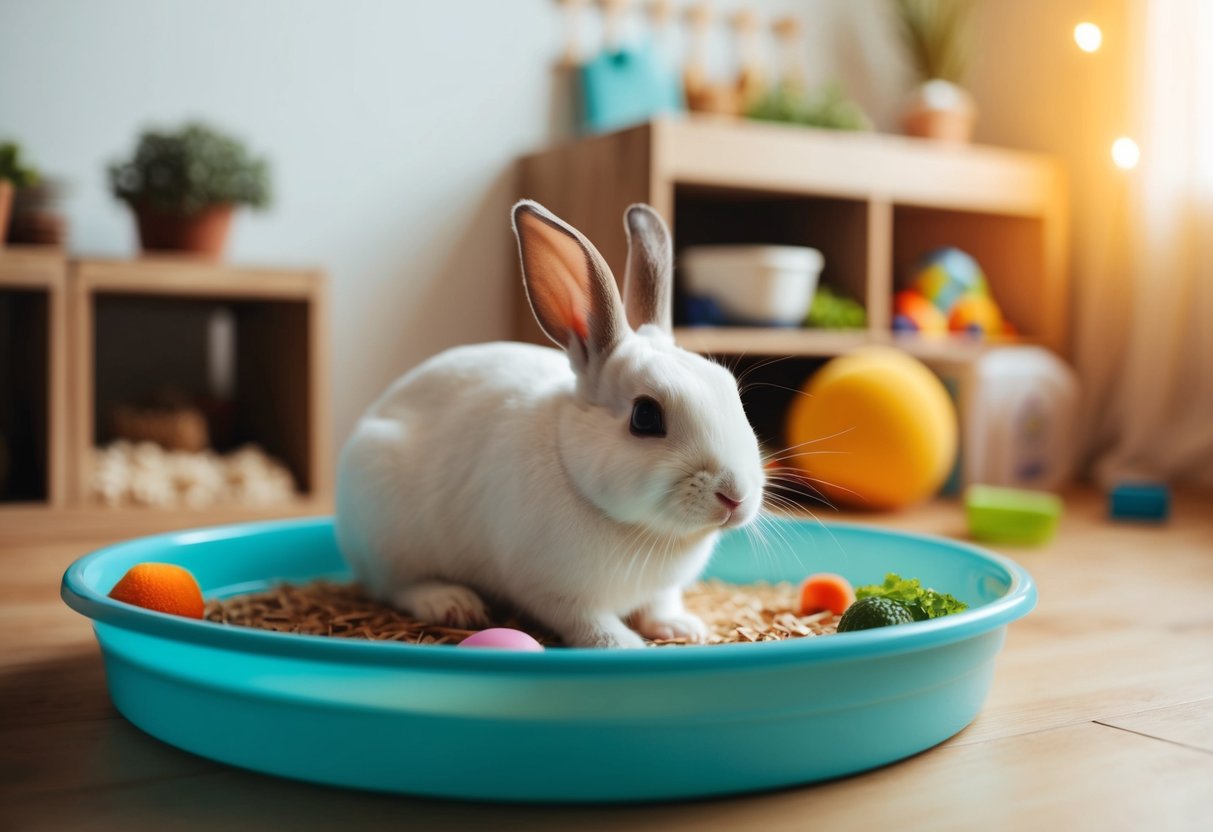
Taking care of indoor rabbits involves a few essential elements. Focusing on their diet, creating a comfortable habitat, and ensuring regular veterinary visits will help your bunny thrive.
Rabbit Diet Essentials
Your rabbit’s diet is key to its health. Fresh hay should make up the majority of their food intake. Timothy hay is a great choice and helps keep their teeth healthy.
You should also provide fresh vegetables every day. Leafy greens like romaine lettuce, cilantro, and parsley are favorites. Limit fruits as treats; they are high in sugar.
Make sure to always have fresh water available. Using a water bottle is often easier and cleaner than a bowl. Avoid feeding your rabbit processed pellets high in grains, as these can lead to health issues.
Habitat and Comfort
Creating a cozy living space is important for your bunny’s well-being. An indoor hutch or a designated room should be spacious enough for your rabbit to hop around comfortably.
Use soft bedding like straw or paper-based products for warmth. Avoid cedar and pine shavings, as they can harm your rabbit’s health.
Provide enrichment with toys and tunnels to keep your bunny engaged. Rotate toys regularly to maintain interest. It’s also important to rabbit-proof your space by removing harmful items within their reach, like electrical cords.
Routine Veterinary Care
Regular veterinary check-ups are crucial for keeping your rabbit healthy. You should schedule visits at least once a year for a wellness exam.
During these visits, ask your vet about vaccinations and any specific health concerns related to your rabbit’s breed. Dental care is also important, as rabbits can develop dental problems if not monitored.
Watch for signs of illness at home, like changes in eating habits or litter box use. Quick responses to these changes can make a big difference in your rabbit’s health.
Popular Breeds for Indoor Living

When choosing a rabbit as a pet, it’s important to consider which breeds do well in an indoor environment. Many domestic rabbits thrive indoors, particularly smaller breeds that fit well into your living space. Here are some key breeds you might enjoy.
Characteristics of Dwarf Rabbits
Dwarf rabbits are popular choices for indoor living. They typically weigh less than 5 pounds, making them easy to handle. Some common breeds include the Netherland Dwarf and the Dwarf Hotot.
Dwarf Rabbits:
- Size: Small and compact.
- Temperament: Generally friendly and social.
- Exercise Needs: Require less space for running around.
These rabbits are known for their playful nature. They often enjoy interacting with their owners. Their small size makes them suitable for apartment living, and they adapt well to indoor life when given proper care.
Selecting the Right Breed
Choosing the right breed for your home can make a big difference in your experience as a rabbit owner. Look for breeds known for their gentle and affectionate nature, like the Holland Lop or Mini Rex.
Considerations When Selecting:
- Activity Level: Some breeds, like the Holland Lop, are playful and energetic. Others may be more relaxed.
- Space Requirements: Keep in mind how much room you have for your pet.
Make sure to do your research. Each breed has its unique traits, and understanding these traits can help you find a perfect fit for your lifestyle. Opt for a breed that matches both your living conditions and your family dynamics.


