
If you’re thinking about getting a rabbit, you might wonder how long these furry friends can be a part of your life. The average lifespan of a single rabbit is between 8 to 12 years, but some can live even longer with proper care. Understanding their lifespan can help you prepare for the joyful years ahead.
There are many factors that influence a rabbit’s lifespan, including breed, diet, and living environment. By providing a safe and loving home, you can help maximize your rabbit’s lifespan.
Understanding their lifespan can help you prepare for the joyful years ahead.
Knowing this information gives you a better idea of what to expect as you bond with your new pet.
As you consider bringing a rabbit into your home, it’s essential to learn about their needs and how to care for them properly. Join us as we explore more about rabbit lifespans and what you can do to ensure a long and happy life for your furry companion.
Understanding Rabbit Lifespan
When considering how long rabbits live, several factors come into play. Your rabbit’s breed, care, and environment can greatly influence its lifespan. Understanding these aspects can help you provide the best home for your furry friend.
Factors Influencing Lifespan
Rabbits can live longer with proper care. Here are key factors that affect their lifespan:
-
Breed: Some rabbit breeds are known for longer lifespans. For example, miniature or dwarf breeds often live longer than larger breeds.
-
Diet: A balanced diet is crucial. Fresh hay, vegetables, and pellets provide essential nutrients that promote good health.
-
Healthcare: Regular vet check-ups help prevent illnesses. Spaying or neutering can also increase lifespan.
-
Environment: A safe, clean living space, free from hazards, supports a rabbit’s well-being.
By considering these factors, you can create a healthier life for your pet.
Average Lifespan of Domestic vs. Wild Rabbits
The lifespan of rabbits differs between domestic and wild species. Domestic rabbits tend to live much longer than their wild counterparts.
-
Domestic Rabbits: On average, they live between 8 to 12 years. Some even reach ages of 14 or 16 with good care. Breeds like Mini Rex or Holland Lop can be especially long-lived.
-
Wild Rabbits: In contrast, wild rabbits usually have a lifespan of only 2 to 3 years. They face dangers from predators and harsh weather conditions.
Understanding these differences helps you appreciate the life expectancy of your pet and how you can enhance their years with you.
Optimal Care for Longer Life

Taking good care of your rabbit is key to helping them live a longer, healthier life. Focusing on their diet, regular veterinary visits, and providing mental and physical stimulation are essential.
Importance of Diet
A balanced diet is crucial for your rabbit’s health and longevity. Your rabbit should mainly eat high-quality hay, which keeps their digestive system moving. Fresh vegetables are also important. Leafy greens like romaine lettuce and kale offer essential nutrients.
Avoid feeding your rabbit high-sugar or high-carbohydrate foods, as these can lead to issues like obesity and gastrointestinal stasis.
Introducing new foods should be done slowly to prevent digestive upset. Always provide clean water and make sure your rabbit doesn’t miss out on the variety that keeps them happy and healthy.
Veterinary Care for Longevity
Regular veterinary care is vital for identifying potential health issues before they become serious. Schedule frequent check-ups to ensure your rabbit is fit and healthy. A vet can provide vaccinations and look out for common problems like dental issues.
Dental problems can lead to pain and affect your rabbit’s ability to eat properly. Taking your rabbit for routine check-ups will help maintain their overall health. You’ll also gain valuable advice on care practices tailored to your pet’s needs.
The Role of Mental and Physical Stimulation
Keeping your rabbit mentally and physically stimulated is essential for their well-being. Provide toys, tunnels, and other activities that encourage them to explore and play. This prevents boredom and promotes a happier life.
Regular playtime not only helps your rabbit stay fit but also strengthens the bond you share. Engaging in different activities, like hide-and-seek or gentle races, can boost your rabbit’s mood. Remember that a stimulated rabbit is a healthier rabbit!
Common Health Concerns in Rabbits
Taking care of a rabbit involves understanding their health needs. Common health concerns include preventive measures and recognizing critical issues.
Preventive Measures
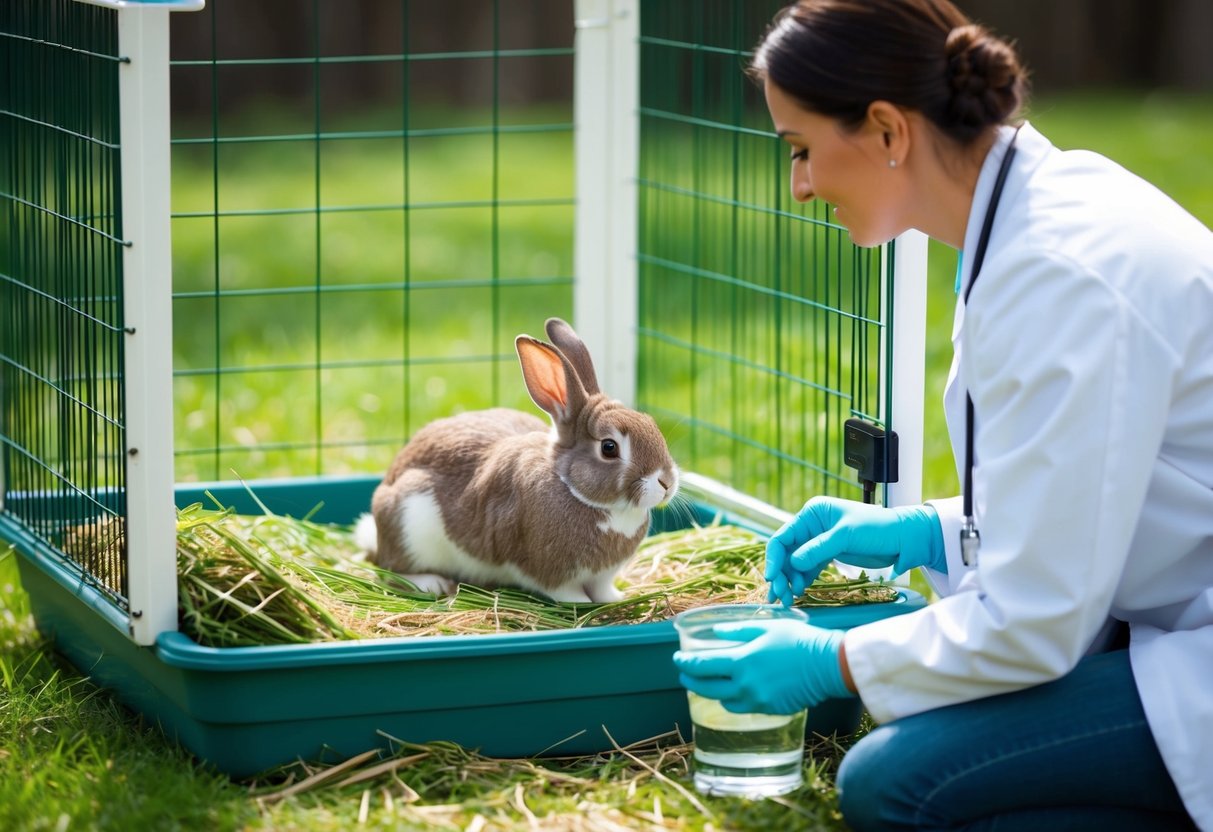
Your rabbit’s health starts with prevention. A balanced diet is key. Provide fresh hay daily, along with fresh vegetables and limited pellets. This keeps their digestive system running smoothly.
Regular veterinary check-ups are important to monitor their health. Your vet can guide you on spaying or neutering, which can prevent various health issues.
Keep your rabbit’s living area clean to reduce infection risks. Also, ensure they have space to exercise. Mental stimulation, like toys, helps reduce stress and boredom, which are important for their well-being.
Recognizing Critical Health Issues
It’s crucial to watch for signs of health problems. Dental issues are common in rabbits. If your rabbit has difficulty eating or shows drooling, this may indicate dental discomfort.
Another serious condition to watch for is gastrointestinal stasis. Symptoms include reduced appetite, lethargy, or not producing stool. If you notice these signs, contact your vet immediately.
Keep an eye on your rabbit’s behavior. Changes in activity or eating habits can signal illness. Regular monitoring helps you catch any problems early and ensures your rabbit stays happy and healthy.
Breed-Specific Lifespan Variations
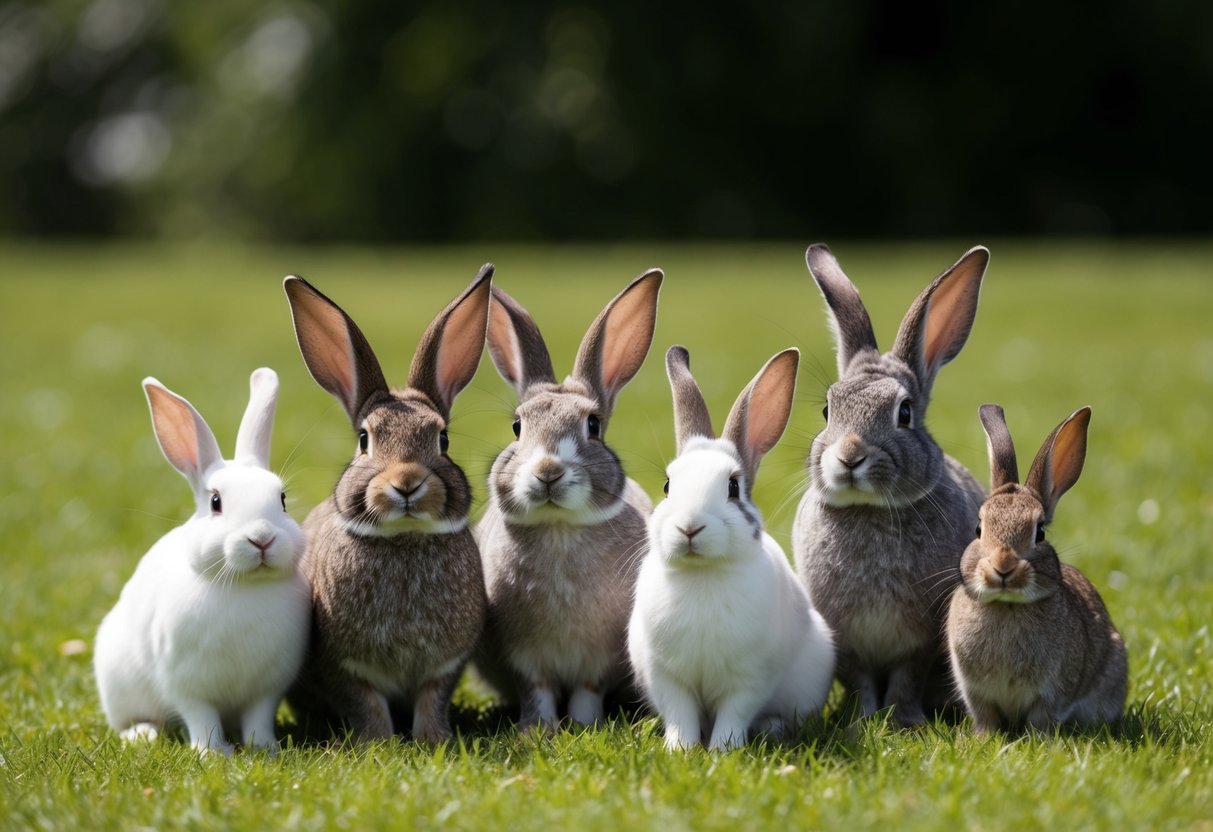
Different breeds of rabbits can have varying lifespans. Understanding these differences can help you choose the best rabbit for your lifestyle and ensure they get the right care.
Giant Breeds
Giant breeds, such as the Flemish Giant, typically have shorter lifespans than smaller rabbits. On average, these larger rabbits live between 4 to 8 years. Despite their size, some can reach up to 10 years with excellent care and a healthy environment.
Diet, exercise, and regular vet check-ups are crucial for their longevity. Because of their size, giant breeds may face specific health issues, such as heart problems or joint issues, which can impact their lifespan.
Keeping their living space spacious and stress-free is also essential. Some popular giant breeds include the Flemish Giant, Checkered Giant, and French Lop.
Dwarf Breeds
Dwarf breeds, like Holland Lops and Netherland Dwarfs, tend to live longer than their giant counterparts. These small rabbits often have lifespans ranging from 8 to 12 years, with some even reaching up to 16 years in rare cases. Their smaller size generally means fewer health problems, which contributes to their longevity.
To help your dwarf rabbit live a longer, happier life, provide a balanced diet, plenty of social interaction, and a safe environment.
Regular grooming and preventive health care, such as vaccinations and spaying or neutering, are also important.
Choosing a dwarf breed can be a great option if you are looking for a companion that might stay with you for many years.


