
Ever hear someone get called an “old bird” and wonder what’s behind that? Usually, when people say “old bird,” they mean someone who’s sharp, experienced, and just a bit clever or wise. It’s a friendly, sometimes cheeky way to say someone’s been around the block and knows a thing or two.
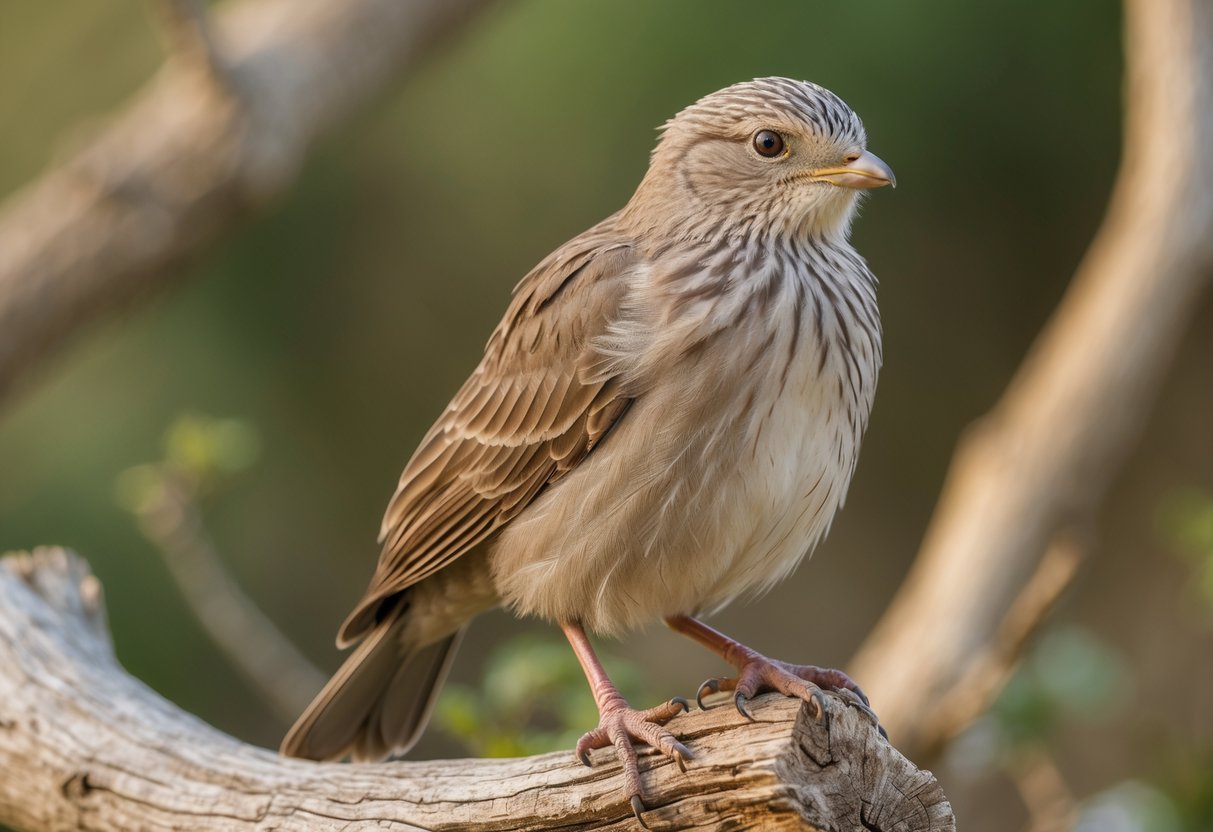
People often use it for older folks, but honestly, age isn’t always the point. Sometimes it just means someone’s got a crafty streak, no matter how old they are.
It’s casual, sometimes funny, and highlights someone’s smarts or life experience without sounding too serious.
Let’s dig into where this saying came from and how it pops up in everyday chat. Who knows—maybe you’ll end up slipping it into conversation yourself.
Meaning and Origins of “Old Bird”

People take the saying “old bird” in a few different ways. Sometimes it points to someone’s age, but other times it’s more about their personality or reputation.
This phrase has been around for ages, and its meaning has shifted quite a bit.
Literal vs. Figurative Interpretation
At first, you might picture an actual bird that’s lived a long life. Birds can stick around for years, and an older one might seem wiser or more experienced.
In some cases, folks really did mean a bird, like the well-known war eagle “Old Abe” from history.
But most of the time, “old bird” describes a person—usually someone who’s a bit odd, clever, or set in their ways. If you call somebody a “funny old bird,” you’re saying they have some quirky habits.
It’s playful or affectionate, and rarely meant to be harsh.
Etymology and Historical Background
The phrase “old bird” goes back to at least the early 1900s. By the 1920s, it had become a staple in English slang.
At first, people used it just to talk about birds that were, well, old. But eventually, it jumped over to describing people—usually older or a bit eccentric.
Sometimes it worked as a gentle nickname. The image of a bird being free and independent probably helped shape this meaning, connecting experience and survival to the phrase.
How the Phrase Developed Over Time
You’ll notice “old bird” started out literal and then took on a more symbolic flavor. Back in the day, it mostly meant older birds or famous ones in stories.
Later, people started using it in everyday speech for folks, especially in friendly or teasing ways.
By the 1920s and 1930s, it was popular slang for someone odd but sometimes admired. The phrase stuck around because it’s easy to say and paints a clear picture.
Even now, you might hear it about someone who seems wise or just a little quirky. It’s still got that old-school charm.
If you’re curious about the slang of the time, check out the 1920s Slang Dictionary.
Contextual Uses and Cultural Relevance

People usually use “old bird” when they want to point out someone’s experience, age, or cleverness. You’ll hear it in conversations, stories, and sometimes in movies or books.
It often describes someone with a bit of wisdom or a crafty side, depending on the vibe.
Common Situations and Examples
Maybe you’ll hear folks talk about someone older who’s seen it all. For example, they might say, “That old bird has seen everything,” to mean the person’s got loads of life experience.
Sometimes friends or family use it playfully or to tease. If you call someone an “old bird,” you might mean they’re a bit stubborn or set in their ways, but it’s usually lighthearted.
In sports or at work, people might use it for someone who’s skilled and savvy. A coach could call a veteran player an “old bird” as a nod to their experience and smarts.
Similar Slang and Related Idioms
“Old bird” fits in with other sayings that mix age or experience with personality. You might run into:
- Old hand — someone super experienced at what they do
- Wise old owl — a thoughtful, smart person
- Old timer — usually an older person who knows the past
These all overlap a bit, but each has its own feel. Old hand is practical, wise old owl feels respectful, and old timer leans on age or history.
Knowing these helps you see where “old bird” fits in the bigger slang picture.
Impact in Literature and Media
You’ll come across “old bird” now and then in stories, poems, or even films. Writers toss it in when they want to show a character’s age or hint at some hard-earned wisdom.
It shows up in children’s books and cartoons, too. Sometimes it’s just a wise old bird, or maybe it’s a nickname for a mentor—someone who’s seen a thing or two.
People use the phrase to create a friendly, familiar vibe. It helps paint characters you want to trust, the kind who’ve already been through a lot. There’s something comforting about that, isn’t there?
If you’re curious about how sayings like this shape culture, check out Birdful’s explanation of the old owl quote.


