
Ever wondered what the world’s rarest bird is? The answer might actually surprise you.
The rarest bird is the Madagascar Pochard, with fewer than 100 individuals left in the wild. At one point, people thought this bird had vanished forever, until someone found a tiny group in a remote lake.

The Madagascar Pochard lives only in specific freshwater lakes in Madagascar. Its numbers dropped because it lost its unique habitat and faces problems like climate change.
Learning about this bird really shows just how fragile some species can be. It’s a reminder of why protecting them matters so much.
The Top 1 Rarest Bird: Spix’s Macaw

Let’s talk about one of the rarest birds anywhere—a bright blue parrot with a tiny population. People have long admired its unique appearance, but its story is filled with challenges and close calls.
This bird’s special traits, its tough habitat, and a troubled history all add up to something really unique.
Why Spix’s Macaw Is Considered the Rarest
People often call the Spix’s Macaw, or Cyanopsitta spixii, the rarest bird on Earth. By 2019, it had vanished from the wild because of habitat loss and illegal trapping.
At one point, only a single wild bird remained. Now, thanks to careful reintroduction, maybe fewer than 30 live in the wild.
If you’re into rare birds, this one definitely stands out. Its tiny wild population makes conservation efforts feel urgent.
The Spix’s Macaw really shows how human actions—like deforestation and poaching—can wipe out entire species if we’re not careful.
Unique Features and Scientific Classification
This macaw catches the eye with its bright blue feathers and grayish head. It’s a medium-sized parrot, about 22 inches long and weighing around 300 grams.
Unlike bigger macaws, its voice is kind of quiet and flat. Its scientific name is Cyanopsitta spixii, named after Johann Baptist von Spix, who first described it in Brazil.
You might notice it’s smaller and sounds different than other macaws. It also takes about four years before it can start breeding.
Habitat and Historic Range
Spix’s Macaw once lived only in Brazil’s dry, thorny Caatinga region in the northeast. This area has special trees like Caraibeira, which the macaws need for nesting.
They really depend on mature trees along streams to raise their young. Sadly, habitat loss crushed their numbers.
Farming and goat grazing damaged the Caatinga’s fragile environment and hurt young trees. Now, reforestation and protected reserves are giving these birds a shot at returning to their native home.
If you want more details, check out this Spix’s Macaw information.
Threats and Conservation of the Spix’s Macaw
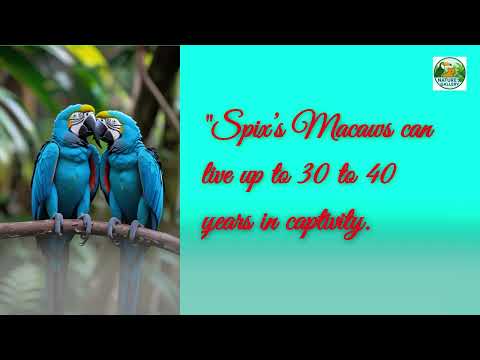
Spix’s Macaw faces huge dangers like habitat loss and illegal trapping. Teams around the world now work together to protect this bird.
Captive breeding and reintroduction programs have become a lifeline, helping bring this rare bird back to the wild.
Major Causes of Rarity: Habitat Loss and Illegal Trade
Habitat loss played a major role in making the Spix’s Macaw so rare. Its home—the dry Caatinga forest in Brazil—kept shrinking because of deforestation and farms.
With less space and food, the birds just couldn’t make it. Illegal trapping only made things worse.
People wanted the bird’s blue feathers and captured them for the illegal pet trade. That wiped out most of the wild population.
By 2000, the Spix’s Macaw disappeared from the wild.
Conservation Efforts and International Cooperation
Many different groups worldwide joined forces for conservation. Brazil’s government teamed up with German breeding centers to help manage the birds.
This international teamwork brought in new knowledge and resources. Groups like the Association for the Conservation of Threatened Parrots (ACTP) and Brazilian agencies worked hard to protect the species and restore its habitat.
They also started replanting parts of the Caatinga forest, giving the macaws a safer place to live again.
Captive Breeding and Reintroduction Programs
Captive breeding programs really offer the best shot at saving Spix’s Macaws. The folks running these programs carefully pick which birds to breed, aiming to keep genetic diversity alive.
They want to dodge the usual problems that come from a tiny gene pool. In 2022, conservationists released 20 captive-bred birds back into their natural habitat.
These birds met up with wild blue-winged macaws and started picking up survival skills. It’s pretty amazing—some chicks have even hatched and fledged in the wild, which feels like real progress.
But honestly, keeping the population healthy is going to take years of reintroduction work. If people stop monitoring or restoring their habitat, the birds could slip toward extinction again.


