
When night falls, have you ever wondered where UK birds disappear to for some shut-eye? Most garden birds just find a spot in nearby trees, bushes, or shrubs, sticking close to their favorite daytime hangouts.
They tuck themselves into sheltered places, sometimes low to the ground or way up high, using thick leaves or ivy as a shield against predators and the cold.
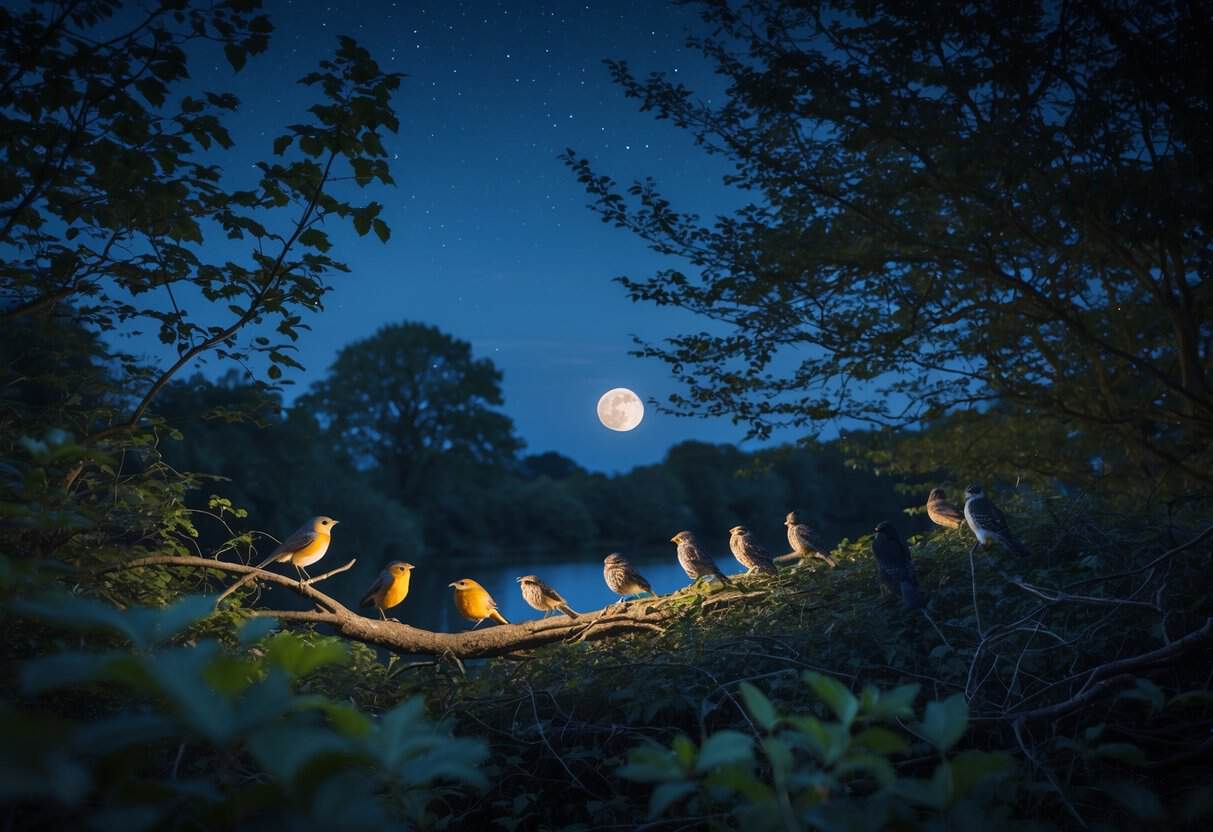
Different birds have their own preferences. Robins, for example, like laurel trees just a few meters above the ground.
Blackbirds and great tits? They often pick higher branches. Most of the time, they don’t wander far at night—they’d rather stick to familiar spots where they feel safe and warm.
If you know where birds sleep, you can actually help them out, especially when the weather turns cold. Maybe you’re curious about how to make your garden more welcoming at night?
Take a look at this study on UK birds’ night roosting habits for some interesting details.
Where UK Birds Go at Night
At night, garden birds look for safe, warm places to sleep. They usually choose spots close to where they spent the day, often hiding in thick plants or trees.
Different bird species pick different heights and plants to protect themselves from predators and bad weather.
How Garden Birds Choose Their Nighttime Roosts
When it’s time to settle down, garden birds search for roosts that offer warmth and safety. They avoid spots that are too cold or windy.
You’ll often spot European robins roosting close to the ground, usually near laurel trees. Birds like the Eurasian blackbird and great tit, though, prefer higher places in trees.
Safety matters most. Birds seek out thick cover—bramble, bamboo, or ivy-covered tree stumps work great. These hiding spots help them avoid predators during those long, chilly nights.
Dunnocks love to nestle in hawthorn or dense garden shrubs. The right roost can really boost a bird’s chances of surviving the winter.
Differences Between Diurnal and Nocturnal Birds
Most UK garden birds are diurnal, so they’re busy during the day and need to sleep at night. Since their eyes aren’t built for the dark, they have to find a safe place to rest once the sun goes down.
Nocturnal birds, like owls, flip the script—they’re out and about at night and sleep during the day. Their eyes are made for low light. But for your typical garden birds—sparrows, great tits, starlings—they settle in soon after sunset.
Finding a good roost is crucial, since sleep leaves them vulnerable.
Habitats and Vegetation Used for Roosting
Birds can be pretty picky about their roosting spots. European robins stick to laurel trees, while blackbirds branch out with sycamore, evergreen pines, bamboo, or bramble.
Great tits like beech or sycamore trees, and sometimes laurel too. Dunnocks hang out near the ground in plants like hawthorn or thick garden shrubs, and they’ll even use ivy-covered stumps.
Starlings, which like company, often roost together in dense cover.
All these choices boil down to three things: protection, warmth, and staying close to daytime food sources. That’s how garden birds make it through those long, cold UK nights.
If you’re interested, studies from the University of Gloucestershire and the Gloucestershire Naturalists Society have tracked these habits. Their research shows how much birds rely on a variety of habitats, and it’s a good reminder for gardeners who want to support local wildlife.
Nocturnal Activities and Nightlife in UK Birds
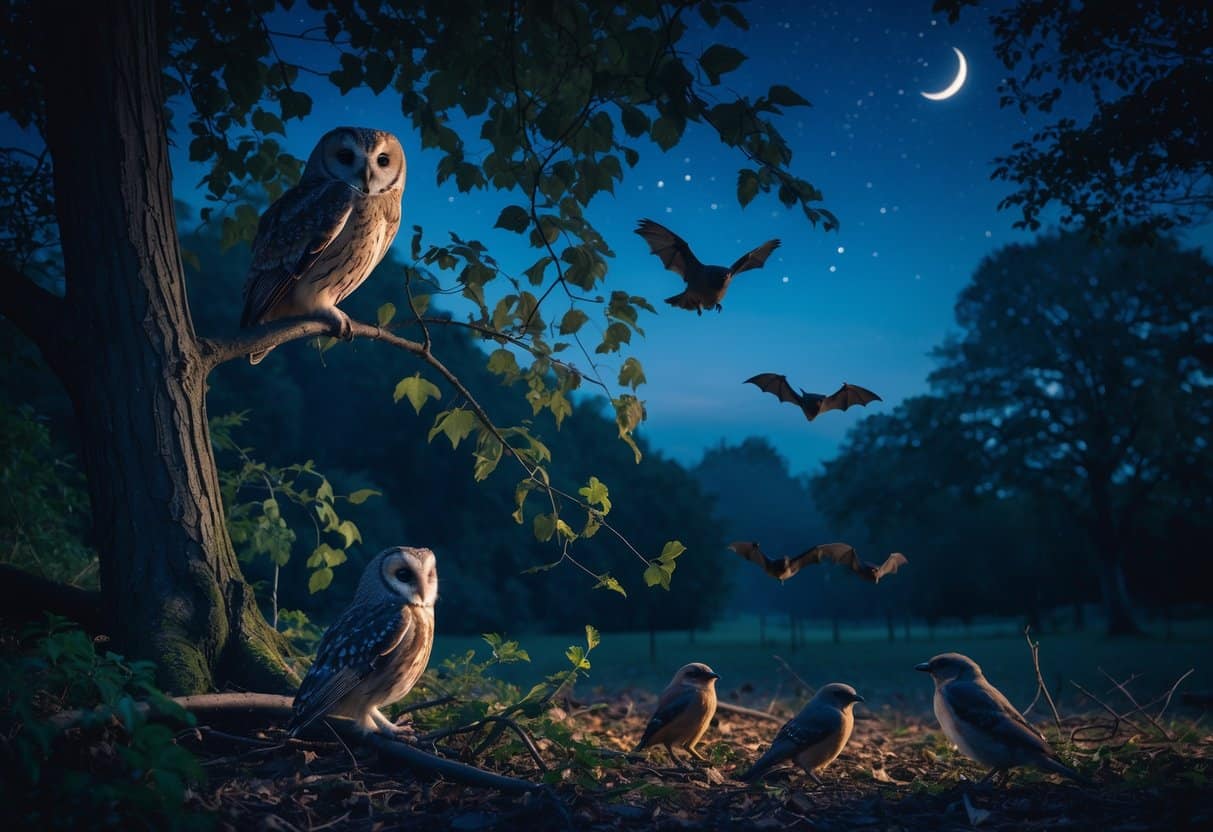
Many UK birds have some clever tricks for staying safe or active at night. Some hunt or call in the darkness, while others huddle close together for warmth.
You’ll find each species has its own way of making the most of the night.
Nighttime Behaviour of Owls, Nightjars, and Other Nocturnal Birds
Owls are the classic UK night hunters. They rely on sharp eyesight and silent wings to catch prey like mice and insects.
Nightjars are a bit different. These birds glide quietly at dusk and dawn, snatching up moths and beetles. While most birds sleep, nightjars get busy when the sun goes down.
Other nocturnal birds, like certain hawks, hunt by moonlight. Ducks and reed warblers usually rest at night, but they stay alert if danger shows up.
On warm summer nights, you might even hear the European nightjar’s soft calls drifting through the air.
Communal Roosts and Flocking Species
Some birds choose to sleep in groups for safety. Big flocks of starlings often perform those mesmerizing murmurations at dusk before settling in for the night.
Communal roosts help birds stay warm and watch out for predators together.
Robins and blackbirds usually keep to themselves or roost in small groups. They pick low branches or thick bushes nearby.
Each species has its own favorite spot—robins love laurel trees, while great tits go for higher branches.
Special Adaptations for Night Survival
Nocturnal birds pick up some pretty amazing skills to survive in the dark. Owls, for example, have these huge eyes that help them spot things even when there’s barely any light.
Their feathers? Super soft. That way, when they fly, you hardly hear a thing.
Nightjars take a different approach. Their mottled feathers let them blend right into their surroundings. It’s almost like they disappear during the day.
A lot of night birds use their hearing just as much as their eyes. Some will call out to each other in the darkness.
You might even hear certain birds, like those that join the dawn chorus, singing before sunrise—even if it’s pitch black outside. These little quirks help them find food and keep safe while the rest of the world sleeps.


