
Ever run into the term “gaol bird” and wondered what it means? Basically, a gaol bird is a person who’s been in prison—often more than once.
People mostly use this old-fashioned phrase in British English. It’s just another way to say “jailbird.”
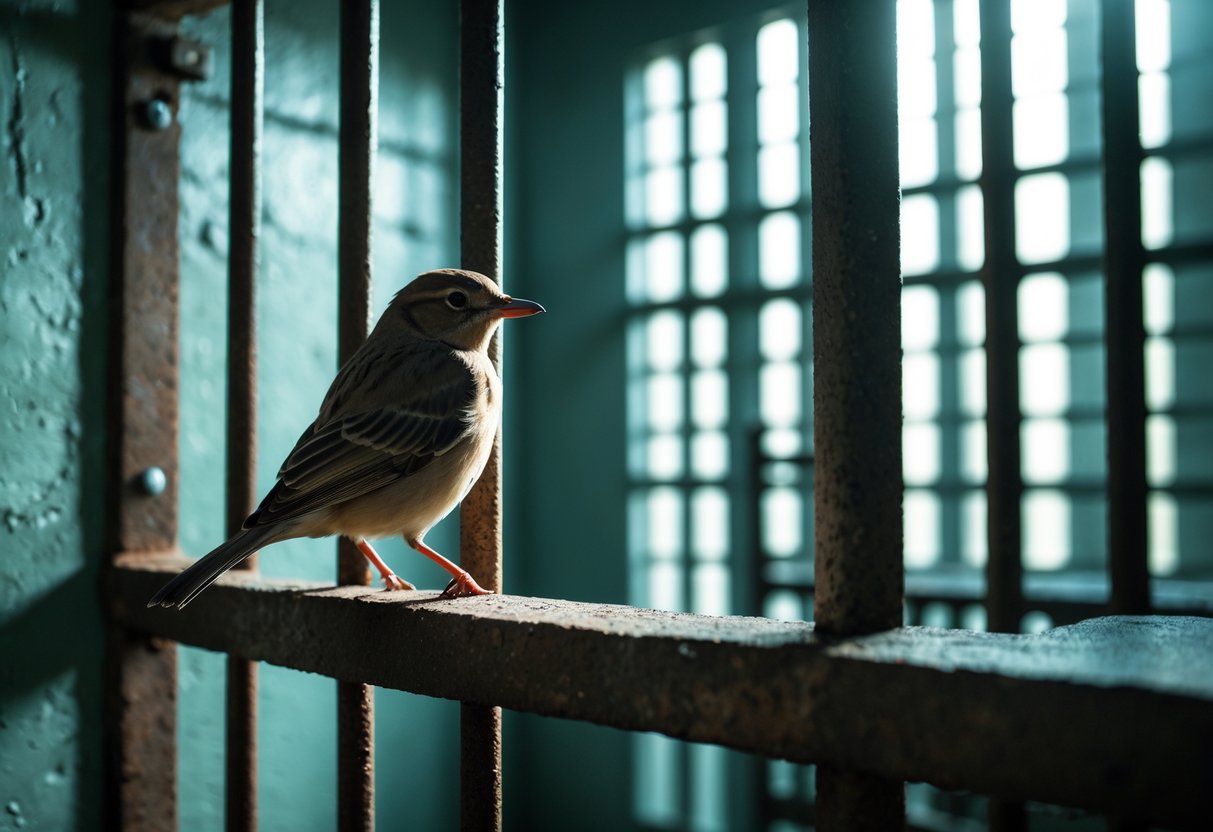
You’ll hear it in stories or movies about crime and punishment. If you know what a gaol bird is, you’ll catch the meaning in those moments and maybe even pick up a bit of prison slang.
Curious about language or the justice system? Learning about this term gives you a peek into how people talk about prison life.
Gaol Bird Meaning and Origin

When someone says “gaol bird,” they mean a person who’s been in jail, sometimes over and over again. The word ties back to old spellings and shows how language likes to shift and change.
So, what does it actually mean? Where did it come from? And how does it connect to the word “jailbird”?
Definition of Gaol Bird
A gaol bird is someone who’s been in jail, sometimes more than once. Usually, people use it for repeat offenders or those who know prison life a little too well.
You might spot it in old books or hear it in stories about criminals. The word paints a picture of someone who’s no stranger to being locked up.
Etymology and Spelling Variations
“Gaol” is just an old way to spell “jail.” Both sound the same, but folks in England used “gaol” centuries ago.
Over time, “jail” took over, especially in the US. The phrase “gaol bird” popped up in medieval England, sometime around the late 1500s or early 1600s.
Back then, authorities sometimes kept criminals in iron cages called “gaols” that hung above the ground. These cages looked a lot like birdcages.
That’s where the “bird” part comes in—the person was trapped like a bird in a cage. Sometimes you’ll see it with a dash, “gaol-bird,” but either way works.
Relationship to Jailbird
Maybe you’ve heard “jailbird” before. It means the same thing as gaol bird, just with updated spelling.
People use “jailbird” more these days, especially in American English. The meaning hasn’t really changed, just the spelling.
So, whether you say gaol bird or jailbird, you’re talking about someone who’s spent a lot of time behind bars.
Cultural Usage and Social Context

“Gaol bird” sticks pretty closely to ideas about prison life and those who’ve served time. Depending on where and how you use it, the phrase can mean different things.
You’ll find people using it straight-up or with a bit more edge, depending on the situation.
Usage in British and Global English
In British English, “gaol bird” is an old-school way to talk about someone who’s been to prison. “Gaol” is just another spelling for “jail,” mostly in the UK and some Commonwealth countries.
Outside the UK, people don’t use the term much, but you might still catch it in old movies, books, or TV. It usually means a convict or someone who’s gotten into trouble with the law more than once.
Sometimes, people drop it into casual conversation when they want to talk about past criminals without sounding too harsh. It carries a bit of shared understanding about prison life.
Connotations and Stereotypes
If you call someone a “gaol bird,” you might be hinting they’re untrustworthy or live a criminal lifestyle. The word carries a stigma because it points right to jail time.
It also brings to mind images of toughness or being able to survive behind bars. Someone who’s “done time” probably knows a thing or two about getting by in prison.
Depending on how you say it, the phrase can feel judgmental or even kind of playful. It tends to lump people together as “typical prisoners,” which isn’t always fair.
| Aspect | Positive Traits | Negative Traits |
|---|---|---|
| Implied Image | Toughness, survival | Untrustworthy, criminal |
| Tone | Playful, joking | Judgmental, serious |
References in Literature and Media
British crime novels, movies, and TV shows love to toss in this phrase to quickly let you know a character’s done time.
Writers often use “gaol bird” for convicted criminals or repeat offenders in gritty stories. It sets the scene fast, with no need for a long backstory.
Older works sometimes lean on it to build a tough, working-class vibe that’s shaped by jail culture.
You’ll even catch the phrase in songs or slang-heavy dialogue, just to show how jail and crime shape social attitudes.
If you’re curious about how people use the word “bird” in other ways, check out this article about calling someone a bird.


