
Ever wonder why we just call these feathered creatures “birds”? The word actually comes from old languages where it meant a small or young bird, and over time, people started using it for all winged animals that fly or sing.
Basically, calling them birds groups together animals with feathers, beaks, and the ability to fly.
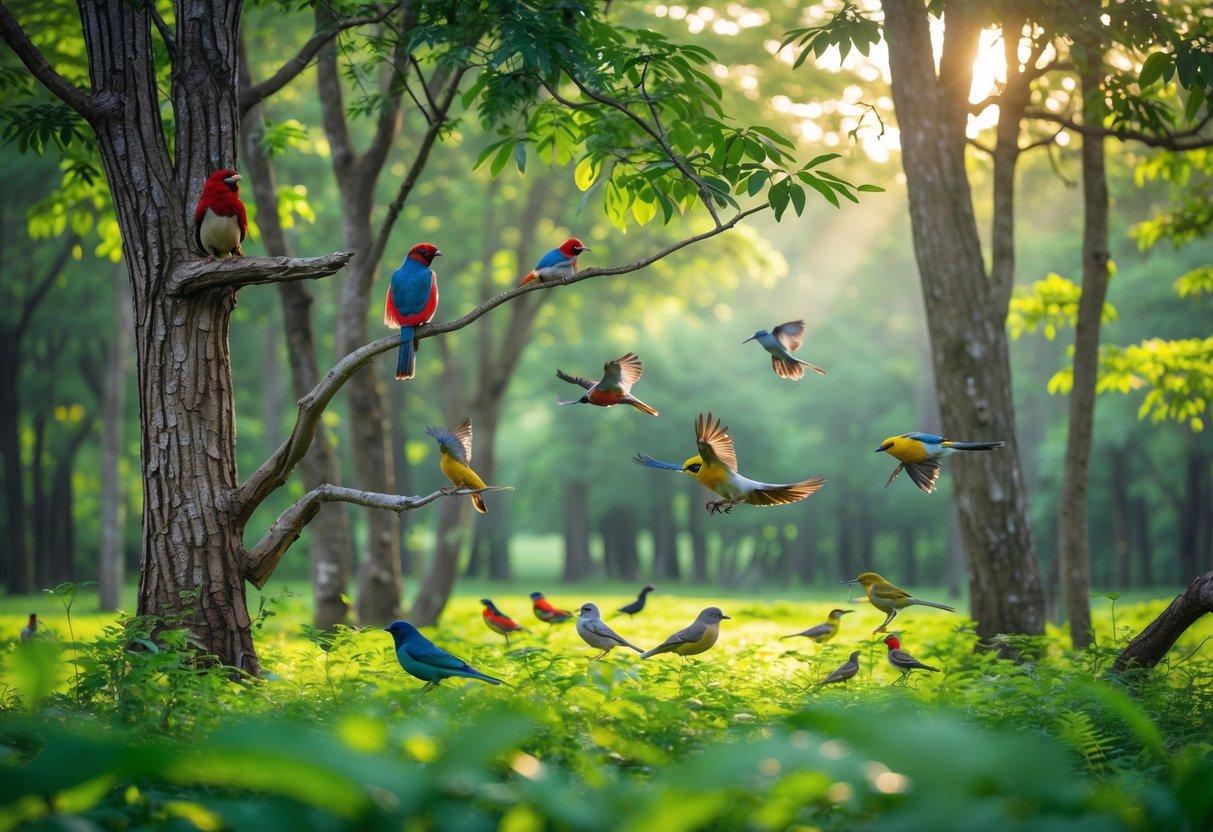
The name connects to how people have noticed and described birds for centuries. Sometimes folks named birds after their looks, the sounds they make, or their behavior.
Learning why we call them birds can help you see them in a new light. It might even make birdwatching a bit more fun.
If you dig a little deeper, you’ll see birds aren’t just animals in the sky—they’re part of a big family that links back to ancient creatures like dinosaurs.
Realizing these connections gives you a fresh perspective on why the simple name “bird” holds so much meaning.
Where the Term ‘Birds’ Comes From
The word “bird” has a long backstory tied to ancient languages. It’s changed meaning and shape over time.
It also carries a lot of symbolism—think freedom and lightness. Its modern use, like calling someone a “bird,” grew out of older meanings and slang, shifting with the times.
Earliest Uses of the Word ‘Bird’
“Bird” comes from Old English fugol, but before that, it traces back to a really old Proto-Indo-European root, h2érǵos. That root gave us words for birds in languages like Latin (avis) and Greek (órnis).
In Old English, fugol meant any flying creature. Over time, this changed to bird as we know it, with the shift happening during the Middle English period (1150-1500 AD).
Spelling moved from bridd to bird by the 16th century. You can picture this like a slow migration of words, where sounds and spellings drifted across centuries.
Symbolism and Cultural Associations
People often see birds as symbols of freedom because they can fly. That made birds a natural metaphor in different cultures for lightness, spirit, and grace.
In British slang, folks started calling a woman a “bird” as a playful, sometimes affectionate nickname. It suggested qualities like youthfulness and freedom, tied to the way birds move.
The term pops up in literature and music, too, which just reinforces these ideas. So, when you hear “bird” used to describe someone, it’s usually about lightness and independence.
Evolution of the Term in Modern Language
These days, “bird” means a feathered animal. But you’ll also hear it as slang, especially in the UK, to refer to women or girlfriends.
That use started in the early 20th century and might come from Cockney rhyming slang, though honestly, no one’s totally sure.
While the original Old English word meant a flying creature, the slang meaning grew on its own. You’ll notice “bird” in slang sounds pretty casual and friendly, not formal at all.
The word “fowl,” which is related, stayed closer to the old forms. Meanwhile, “bird” took on new meanings.
Language just keeps changing, and this is a great example of how a simple word can pick up lots of layers.
If you want more detail, check out the linguistic journey of “bird” through time.
Different Meanings and Expressions of “Birds”
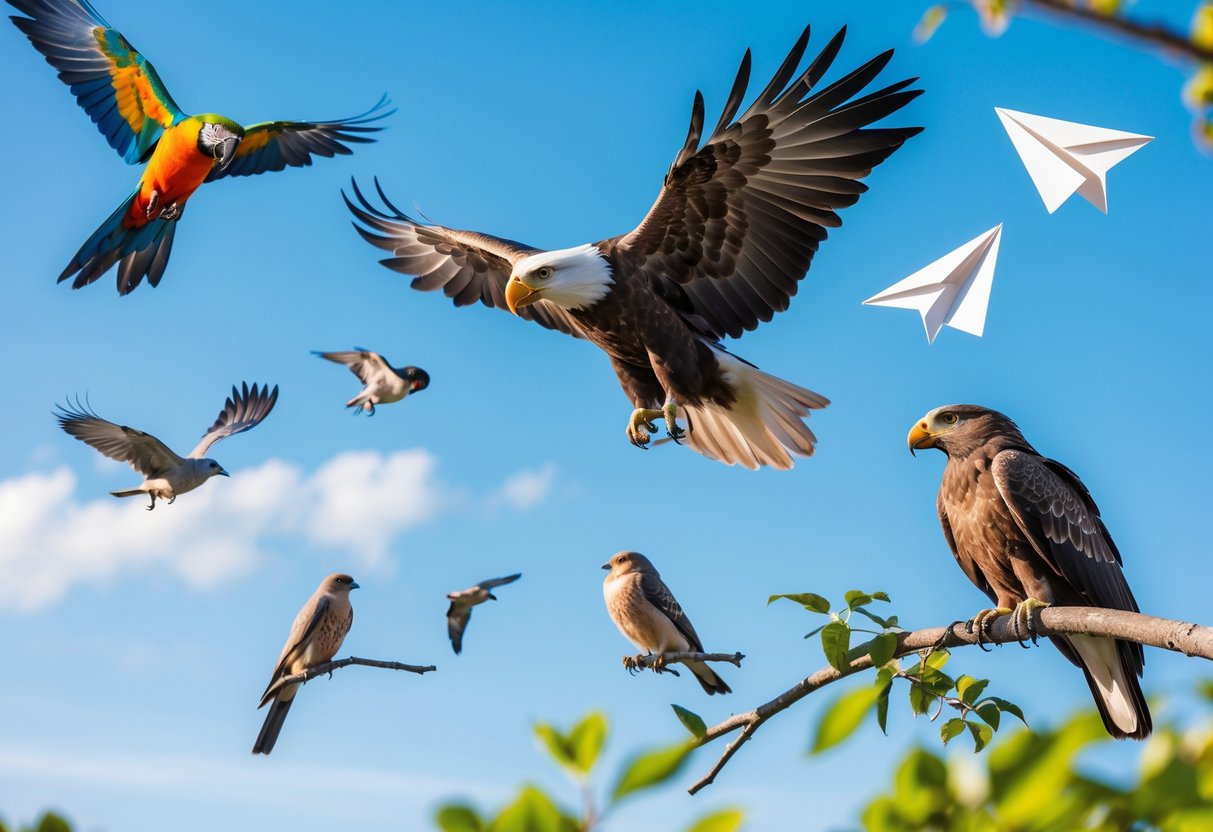
The word “bird” goes way beyond its literal meaning. It pops up in all sorts of expressions, slang, and even as a way to describe people.
These meanings can be surprising or even funny, depending on where you hear them.
Referring to Women as “Birds”
In some English-speaking countries, especially the UK and Australia, people use “bird” as a casual term for a woman. It’s usually informal and can sound playful, though some folks think it’s old-fashioned or even a bit rude.
This probably comes from the idea of birds being small and lively. You might hear, “She’s a nice bird,” meaning she’s friendly or attractive.
Just be careful—context matters, and what’s fine in one group could be weird in another.
Unique Contexts and Slang Usages
“Bird” can mean a lot of different things depending on the situation.
For example:
- In prison slang, a “bird” is someone serving time.
- In Australian slang, to “give someone the bird” means making a rude hand gesture.
- In American slang, “bird” sometimes means a plane or helicopter.
Knowing these meanings can help you follow conversations better. Just keep in mind that slang changes fast and varies by place.
Birds in Popular Phrases and Idioms
Birds pop up all over the place in everyday sayings. People seem to love tying their quirky traits to our own habits.
Here are a few examples:
| Phrase | Meaning |
|---|---|
| “A little bird told me” | Someone shared a secret or private info |
| “Birds of a feather flock together” | People with similar interests tend to stick together |
| “Kill two birds with one stone” | Solve two problems at once |
You can really see how we connect birds to things like secrecy, friendship, or just being efficient. Honestly, tossing these into your speech makes it a bit more colorful, doesn’t it?
If you’re curious about bird symbolism or want to dig deeper, check out bird symbolism and metaphor.


