
Ever wondered how to say “bird” in British English? Well, you pronounce it as a single syllable that sounds like “burd.” In British English, people say “bird” as /bɜːd/, and the “r” is so soft you barely hear it. It rhymes with words like “heard” or “word.”
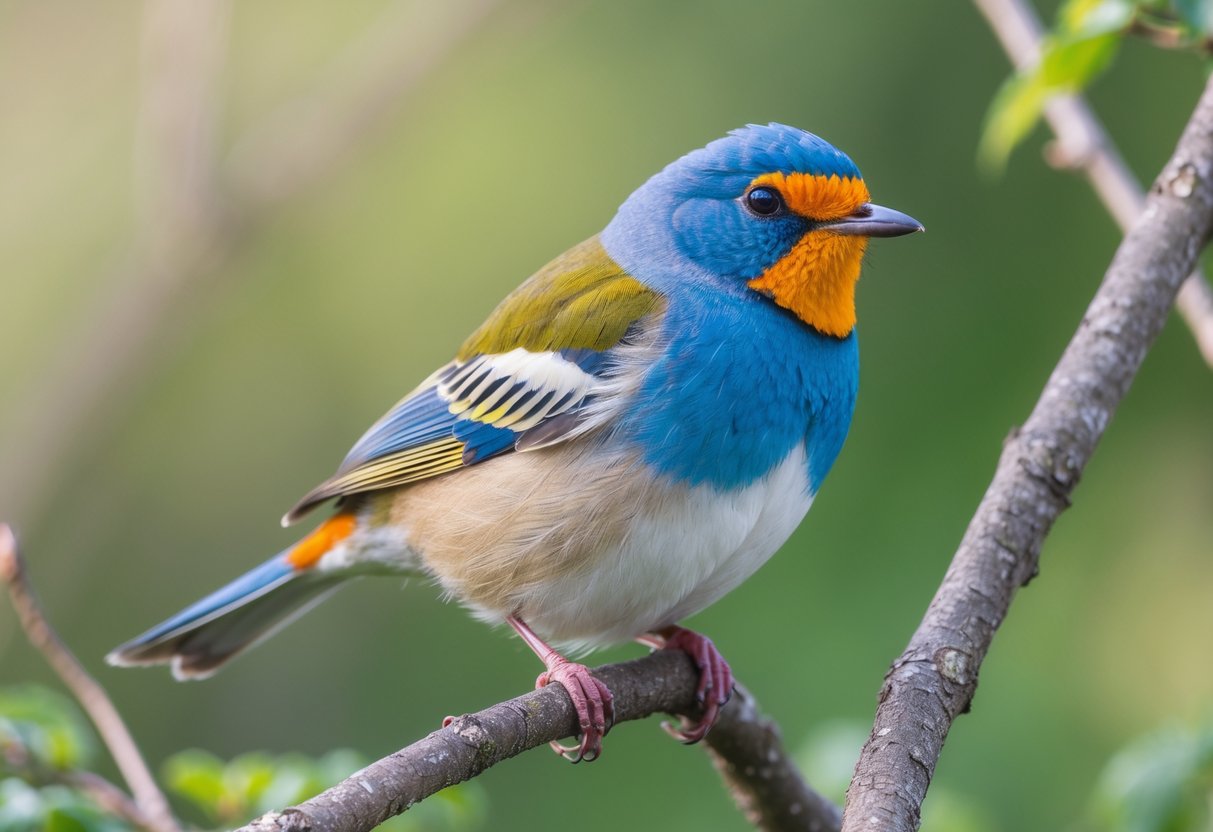
You’ll probably notice the British way sounds different from American English, where the “r” jumps out more. Nailing this sound helps you blend in if you’re chatting with friends or exploring the UK.
Honestly, picking up this little detail makes your English sound more natural. If you’re curious, you can find loads of audio clips and videos online to hear how it’s really said.
How to Say and Pronounce ‘Bird’ in British English

When you say “bird” in British English, you focus on clear sounds. Stressing each part helps a lot.
The way you shape the vowels and consonants totally changes how it comes out. Listening to native speakers gives you a better feel for the word.
British IPA and Phonetic Transcription
In British English, “bird” shows up in the International Phonetic Alphabet (IPA) as /bɜːd/.
Here’s a quick breakdown:
- /b/ sounds like the “b” in “book.”
- /ɜː/ is a long vowel, a bit like the “ir” in “shirt.”
- /d/ is the same “d” you hear in “day.”
Keep your tongue in the center for the middle vowel and stretch it out a bit longer than you would in American English. That’s what makes it sound smooth.
Seeing the IPA can really help you focus on the right mouth shape.
Audio Examples with Native Speakers
You can get better at pronouncing “bird” by listening to native British speakers. Sites like Cambridge Dictionary or Collins Dictionary have clear recordings you can play over and over.
Try copying their tone and speed. Record yourself, then listen back and compare.
Pay attention to how long you hold the vowel and how crisp each consonant sounds.
Repeating this a few times trains your ear and helps your pronunciation feel more natural.
Common Mispronunciations and Tips
A lot of learners say “bird” with a short or rushed vowel, like /bɪrd/ or /bɜrd/. Take your time with the sounds.
People often overdo the “r” or cut the middle vowel too short. In British English, you barely pronounce the “r” in “bird” because it’s non-rhotic.
Here’s a tip: Hold the vowel a little longer and don’t force the “r.” Imagine saying “burrd,” but keep it soft.
If you practice slowly, you’ll fix these habits before you know it.
Comparing British and American Pronunciation
British English says “bird” as /bɜːd/, with a long vowel and a really soft “r.” Most of the time, the “r” is almost silent.
Americans say /bɝːd/, where the “r” is a lot stronger and the vowel feels a bit different—more like “burd.”
If you’re aiming for a British accent, focus more on stretching the vowel and less on the “r.” Try both styles, listen for the differences, and pick the one you like.
Meaning and Usage of ‘Bird’ in British English
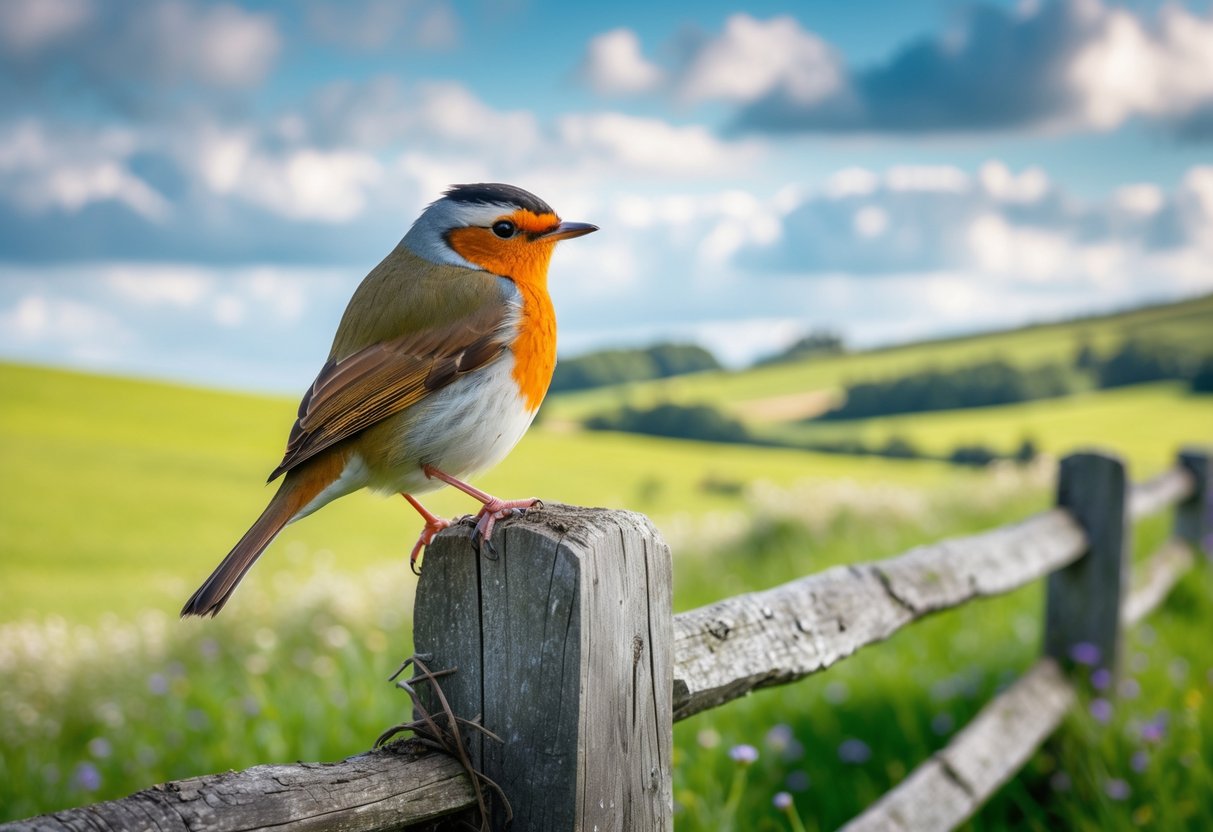
The word “bird” in British English has a couple of meanings you’ll hear around. It can mean the animal, or, in casual talk, it sometimes refers to a person—usually a young woman. Context really matters here.
Definition and Example Sentences
A bird in British English is usually a creature with feathers and wings, and most of them can fly. They lay eggs and build nests. For example:
- “The garden was full of birds singing in the morning.”
- “She spotted a rare bird of prey flying overhead.”
Sometimes, “bird” means a young woman in informal speech. This use is pretty casual and can sound a bit rude:
- “He’s talking to that bird across the street.”
Most of the time, you’ll use “bird” to talk about the animal. Still, it’s good to know the other meaning if you hear it in conversation.
‘Bird’ in Everyday British Contexts
People use “bird” all the time in the UK. Bird watching is a big hobby, and you’ll hear phrases like “birds of a feather” for folks who stick together.
You might also come across British phrases such as:
- “Give someone the bird” (which means making a rude gesture)
- “The bird has flown” (meaning someone left quickly)
Sometimes, folks call young women “birds” in older or casual chats, though you don’t hear it as much these days.
Similar Words and Confusions
People sometimes mix up “bird” with other animals like ants. I get it—both are small and pop up in nature chats all the time.
But birds? They’ve got feathers, they’re warm-blooded, and most can fly. Ants, on the other hand, are insects with six legs and usually no wings.
Sometimes, folks use “bird” as slang or in casual talk about people. It’s important to pick up on the sentence’s tone and where it’s being used.
If you want to nail the British English pronunciation, try breaking it down as [bɜːd]. Need a little help? Check out this British English Pronunciation of Bird video for some practice.


