
Ever caught your bird talking or singing and wondered if that means they’re happy? Birds don’t really smile like we do, but you can spot their feelings in the way they sound and act.
When birds talk or sing, they’re often showing that they feel content and comfortable where they are.
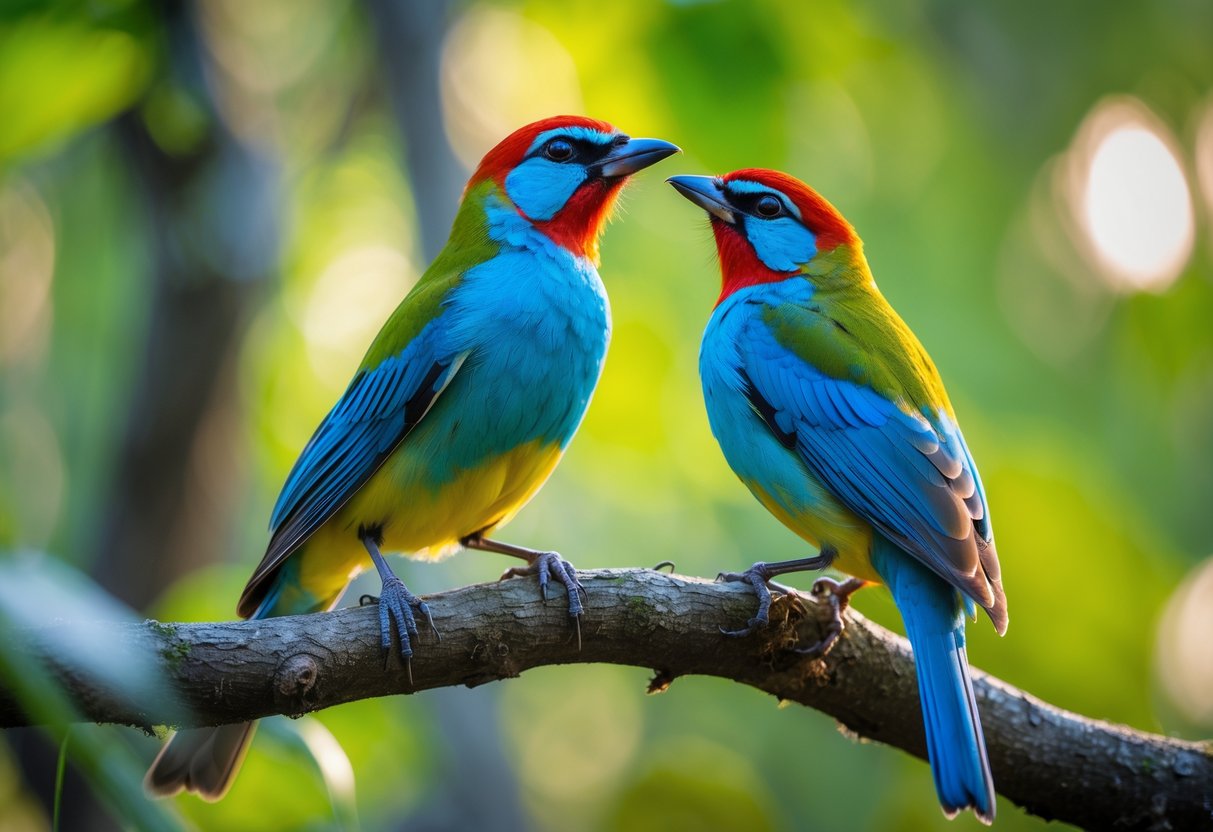
Talking birds like parrots pick up on human sounds, and when they get chatty, they’re usually trying to interact. They might use their voices to show their mood, get your attention, or just let you know they feel safe.
Paying attention to both their actions and their sounds helps you understand what’s really going on in their little bird brains.
If you’ve ever wished you could read your bird’s mind, figuring out why they talk can help you feel closer. Those happy chirps and playful chatters? They’re like a peek into your bird’s world.
It’s honestly pretty fascinating. If you want to dive deeper, check out this article on talking birds and their feelings.
Do Birds Talk Because They Are Happy?

Birds talk for all kinds of reasons, and sometimes it does seem tied to how they’re feeling. If you want to know when birds talk out of happiness, you have to look at their brains, their social lives, and even the kind of bird you have—parrots and cockatiels can be pretty different.
Link Between Bird Vocalization and Happiness
When your bird starts talking or mimicking sounds, it might just be having a good time. Singing and talking can actually trigger pleasure centers in their brains, making them feel good.
Some parrots talk just because they enjoy it.
But, let’s be real, not every sound means they’re happy. Birds might vocalize just to connect with you or another bird. For example, when a bird sings without aiming it at anyone, that’s usually a sign it’s relaxed and content.
That’s a lot different from calls meant to warn or defend territory—those don’t sound very joyful.
Common Reasons Birds Vocalize
Birds have plenty of reasons to make noise, and happiness is just one of them.
- Communication: They use their voices to chat with you or other birds, sharing info.
- Attention: Sometimes they just want you to notice them—maybe they’re hungry or bored.
- Territory: Some calls basically say, “This is my space, back off.”
- Mating: Showing off their voice to attract a mate.
- Practice: Young birds, like cockatiels, love to practice new sounds as they grow up.
If your bird talks or sings a lot, especially when things feel calm, that’s usually a good sign they feel safe and happy.
Species-Specific Talking Behaviors
Different birds definitely have their own talking styles. Parrots, for example, can mimic human speech almost eerily well.
When your parrot talks, it usually means it feels close to you and pretty secure.
Cockatiels are more into whistling than talking. If your cockatiel whistles tunes or copies sounds, it’s probably feeling happy or excited.
They’re social, so you might notice them calling out just to get your attention or to ask for some interaction.
Every bird species has its own way of expressing feelings through sound, so getting to know your bird’s quirks really helps you figure out their mood.
For more on bird vocalization and emotions, you can peek at Vet Explains Pets or Birdful on bird sounds.
How Birds Show Happiness Beyond Talking

Birds like parrots and cockatiels don’t just talk when they’re happy. They show it in a bunch of other ways, too.
They use their bodies, play with toys or friends, and even show happiness through their feathers and overall health.
Body Language Signs of Joy
You can usually spot a happy bird by the way it carries itself. A relaxed bird will stand tall, keep its feathers smooth, and look pretty chill.
Cockatiels might gently bob their heads or fluff up their feathers when they’re in a good mood.
Look for wings held just a bit away from the body and a calm, steady gaze. These are all clues that your bird feels safe.
Parrots often preen themselves or others when they’re happy and trust the company.
Soft chirps or happy trills usually go hand-in-hand with these relaxed postures. If your bird isn’t acting tense or defensive, you’re probably seeing genuine happiness.
Playful and Social Behaviors
Happy birds are usually playful and curious. You might catch your parrot chasing toys, swinging on perches, or poking around new things.
Cockatiels, especially, love social time. They’ll whistle or even dance to get your attention.
Playtime means they’re mentally stimulated and in a good mood.
When birds preen each other, it shows strong bonds and happiness. If your bird seeks out interaction—whether it’s you or another bird—it’s a solid sign they’re feeling joyful.
Regular play and social contact help your bird trust you and stay emotionally healthy. That makes them way more lively and responsive.
Physical Appearance and Well-Being
Healthy feathers usually mean your bird feels happy. Bright, clean feathers that look well-kept say a lot about your bird’s mood.
Check for shiny, smooth feathers without damage or signs of plucking. If your bird spends time grooming, it probably feels at ease.
Parrots and cockatiels that eat well and stay active tend to be content. Balanced weight and clear eyes also tell you your bird feels good.
When you look after your bird’s health, you’ll see it in their appearance and attitude. Isn’t it interesting how much you can tell just by looking?
Curious about how birds show happiness? Take a look at this bird happiness resource.


