
If you’re searching for a bird that learns to talk with ease, you’ll probably want to go with the African Grey parrot. African Greys have a real knack for clear speech, huge vocabularies, and they naturally mimic human voices. People often say they’re smarter than most other parrots, and honestly, they seem to love chatting with their owners, which makes learning new words a lot quicker.

Some smaller birds—like budgies and cockatiels—can pick up a handful of words. Usually, though, they don’t talk as well or as clearly as African Greys.
If you want a bird with a lively personality that actually keeps up a conversation, the African Grey could be a fantastic fit.
Amazon parrots, monk parakeets, and cockatoos can also learn to talk. They just tend to need a bit more time and patience.
Choosing a bird that matches your energy and patience will make the training process way more enjoyable. You’ll find some tips here on how to get your bird talking and what you might expect along the way.
Which Birds Are Easiest to Train to Talk?

Some birds just pick up words faster and seem genuinely excited to mimic you. If you want a pet that learns phrases quickly and enjoys hanging out with you, it’s worth looking at the top talking birds.
Let’s check out a few favorites that are known for both their ability to talk and their love for bonding.
Top Quick Learners: Budgerigars and Parakeets
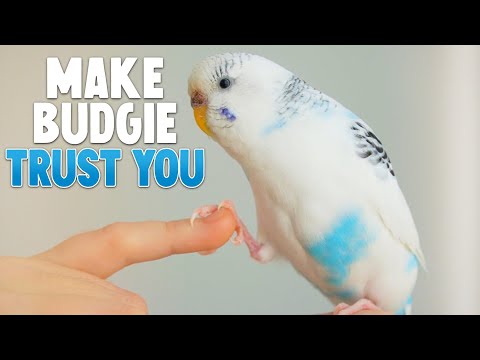
Budgerigars—or budgies, as most folks call them—might be small, but they’re clever. These little birds can learn new words quickly and usually respond well to regular training.
If you’re short on space, their size is a bonus. Budgies love social time and often mimic short phrases pretty clearly.
Try using treats and repeating words often to help them pick up speech. Because they’re naturally curious and friendly, budgies soak up sounds from their environment.
They’re a great choice for beginners since they don’t require pricey care. With enough patience, your budgie might just greet you or say a few simple words.
Why African Grey Parrots Are Talkative Geniuses
African Grey Parrots really shine when it comes to talking. Their vocabularies are massive, and they’re incredibly smart.
These birds can learn hundreds of words and sometimes even use them in the right context. If you’re willing to put in the time, you’ll have a companion who actually keeps up a conversation.
African Greys need a lot of mental stimulation and regular interaction. They do best with consistent training and a calm space.
Their speech is clear, and they seem to understand what’s going on, which is probably why so many people love them. Just keep in mind—they need your attention and a good amount of space to stay happy.
Amazon Parrots: Friendly Nature and Clear Speech
Amazon parrots—like the Yellow-Naped Amazon—are famous for their outgoing personalities and strong talking skills. These birds love socializing and often mimic speech with impressively clear tones.
They want to be part of family life and can pick up new phrases quickly, especially if they’re motivated. Amazon parrots are playful too, and they enjoy toys and games during training.
Their bright personalities make every talking session a little more fun. If you’re after a bird that’s both chatty and affectionate, you might really enjoy having an Amazon parrot around.
Key Factors That Make a Bird Easy to Train to Talk
Several key things can affect how easily your bird learns to talk. Some birds are just smarter and more social, so they tend to pick up speech faster.
The way you train and your bird’s individual personality also play a big part. If you pay attention to these, you’ll probably see better results with your feathered friend.
Intelligence and Social Behavior in Pet Birds
Intelligence really matters when you’re picking a talking bird. Birds like the Congo African Grey and Indian Ringneck Parakeet have a reputation for being smart and great at mimicking speech.
Social behavior is just as important. Birds such as quaker parrots (monk parakeets) and budgerigars love being around people.
They thrive on interaction, and that really boosts their desire to learn new words. More social and intelligent birds often learn faster.
Macaws, umbrella cockatoos, and galahs are also friendly and curious, which helps during training. If your bird feels close to you, it’ll be more eager to talk and respond during sessions.
Training Techniques for Encouraging Speech
When you teach your bird to talk, stick to clear and simple words. Say the same words every day at the same time to help your bird remember.
Positive reinforcement works wonders. Give your bird treats or praise whenever it tries to mimic sounds.
Keep training sessions short—about 10 to 15 minutes—so your bird doesn’t get bored or tired. You can also use recordings of your voice or other talking birds, like the common mynah, to encourage learning.
Consistency is everything—train your bird regularly for the best progress. Rushing the process won’t help; patience is key, especially with birds like cockatoos or hill mynahs, which might take a little longer.
Individual Differences: Not All Birds Will Talk
Even if a species is famous for talking, you’ll find some birds just never pick up speech clearly. Every bird comes with its own quirks and a unique knack for mimicry.
Take budgerigars, for instance. Some of them end up learning dozens of words, while others just stick to whistling. Hill mynahs can blow you away with their talking skills, but they really need special attention and plenty of social time.
Age matters too. Younger birds usually catch on faster than older ones. Still, if you’re patient, even an older eclectus parrot can surprise you with new sounds.
Watch your bird’s moods and what it seems to enjoy. If your bird acts shy or just doesn’t care, maybe give it some time or switch up your approach.


