
Ever wondered what Lady Bird is a nickname for? You’re definitely not alone. Lady Bird was actually the nickname of Claudia Alta Taylor Johnson, wife of President Lyndon B. Johnson. She got it as a little girl and, honestly, it just stuck. People called her Lady Bird for the rest of her life.
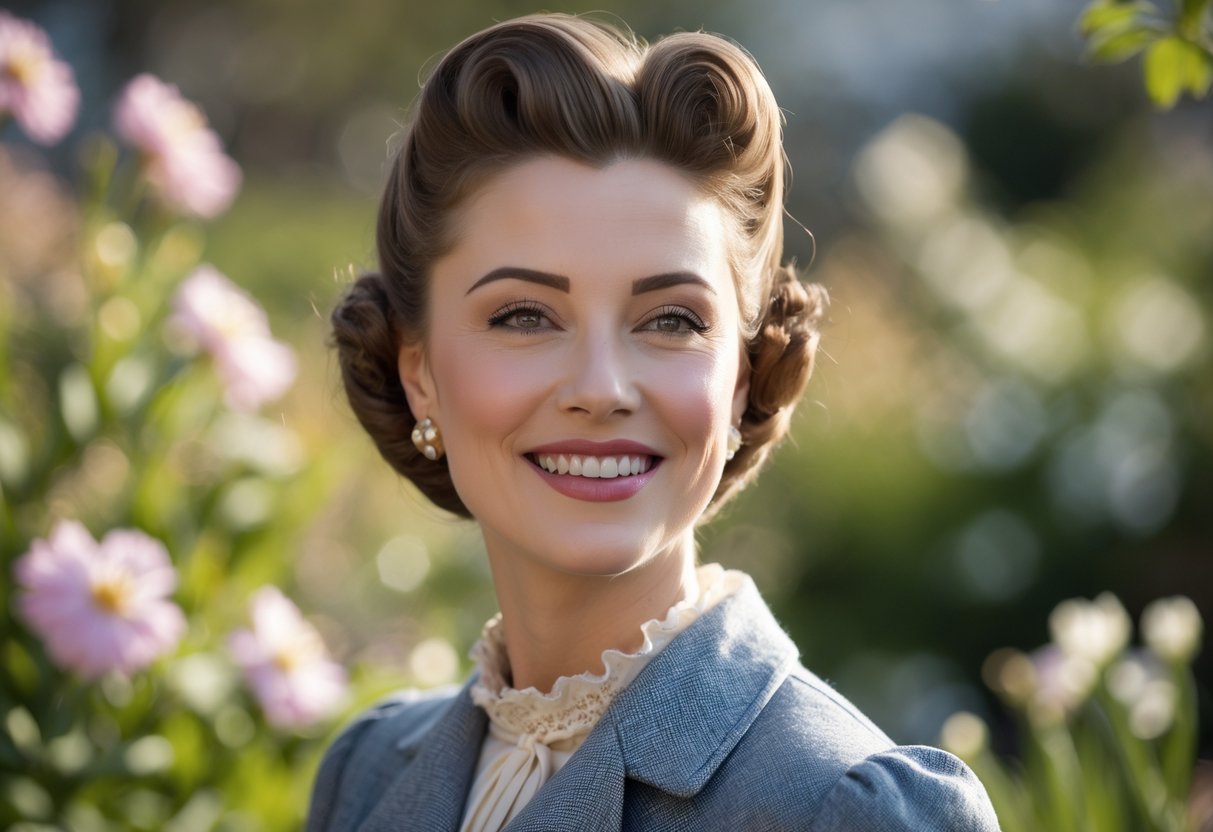
Her nursemaid once said she was “pretty as a ladybird”—that’s another word for ladybug. The nickname started as a simple compliment, but it became something much bigger. Lady Bird turned into a symbol of her personality and legacy. If you’ve seen the name tied to a person or heard it in passing, the story behind “Lady Bird” is actually pretty fun to know.
Origin and Meaning of the Nickname ‘Lady Bird’
The nickname “Lady Bird” has a quirky story, and it’s all about Claudia Alta Taylor. It began with a passing childhood comment but ended up shaping her public image in a real way.
The name also ties back to nature and old traditions in English-speaking places. It’s kind of cool how something so simple can take on so much meaning.
Who Was Claudia Alta Taylor?
Claudia Alta Taylor was born in Texas in 1912. Most people know her as Lady Bird Johnson, the First Lady by Lyndon B. Johnson’s side.
She went to Marshall High School, then earned degrees in history and journalism. She married Lyndon Johnson in 1934 and later became a key figure in American history.
Lady Bird supported her husband’s political journey and cared deeply about environmental causes. One of her big contributions? The Lady Bird Johnson Wildflower Center, which encourages people to use native plants and focus on conservation.
The Childhood Story Behind the Nickname
How did Claudia become “Lady Bird”? When she was little, her nursemaid Alice Tittle said she was “as purty as a lady bird.” That sweet moment stuck.
It’s funny how a tiny compliment can change everything. The nickname fit her gentle personality, and soon, everyone used it—even as she stepped into the public eye.
Cultural Meaning of ‘Lady Bird’ in English
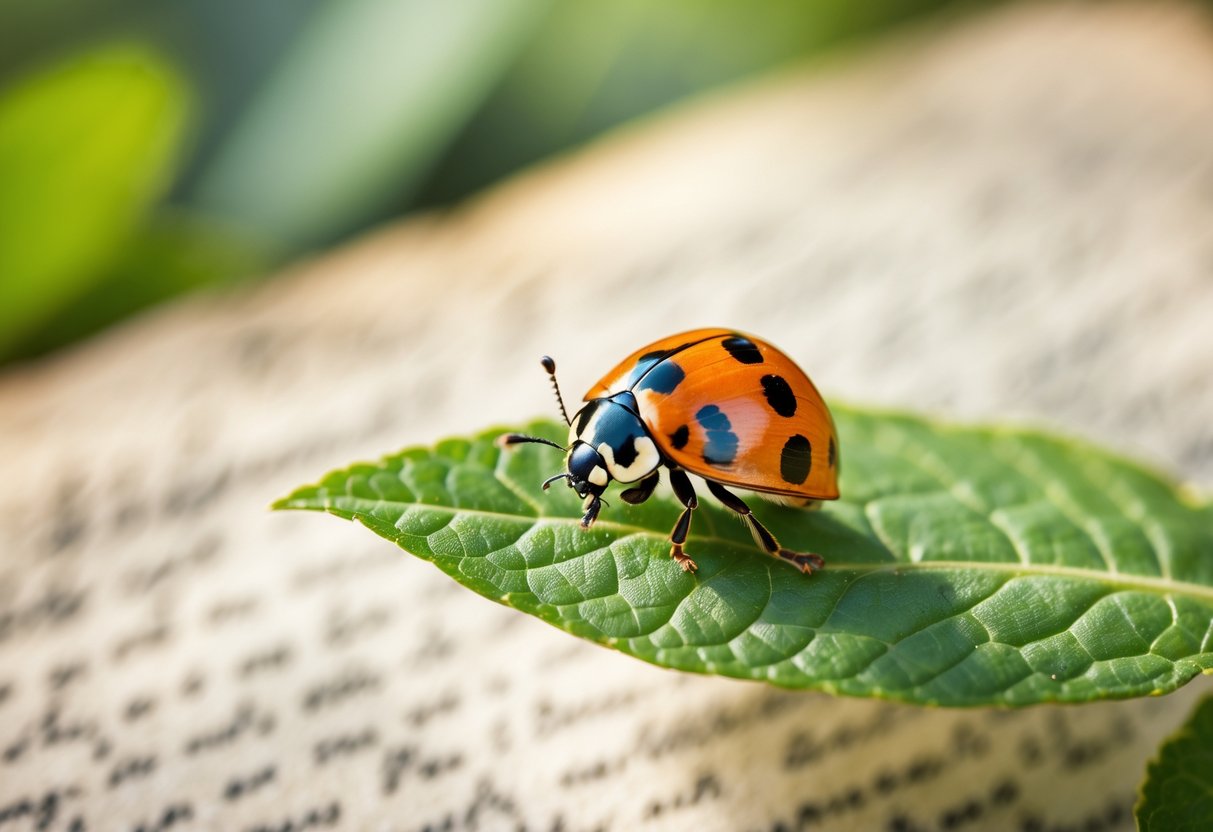
The word “lady bird” means a little red beetle with black spots. In Britain, people call it a ladybird; in the U.S., it’s a ladybug.
The name probably comes from the beetle’s link to the Virgin Mary—people sometimes call her “Our Lady.” The beetle’s red color and black spots supposedly symbolize her sorrows.
Ladybirds show up in old rhymes and stories, often as lucky charms. The nickname feels warm and positive, which probably helped Lady Bird Johnson connect with people.
How the Name Influenced Her Public Identity
Lady Bird didn’t just use her nickname—she owned it. As First Lady, she leaned into the name to connect with folks and highlight what she cared about, especially nature.
Her work lives on at places like the Lady Bird Johnson Wildflower Center in Texas, which keeps her conservation efforts going. The nickname brought a sense of friendliness and made it easier for her to lead campaigns for beautification and the environment.
Lady Bird’s name helped shape a public identity that mixed her personal warmth with her passion for public service.
Lady Bird Johnson’s Life and Legacy
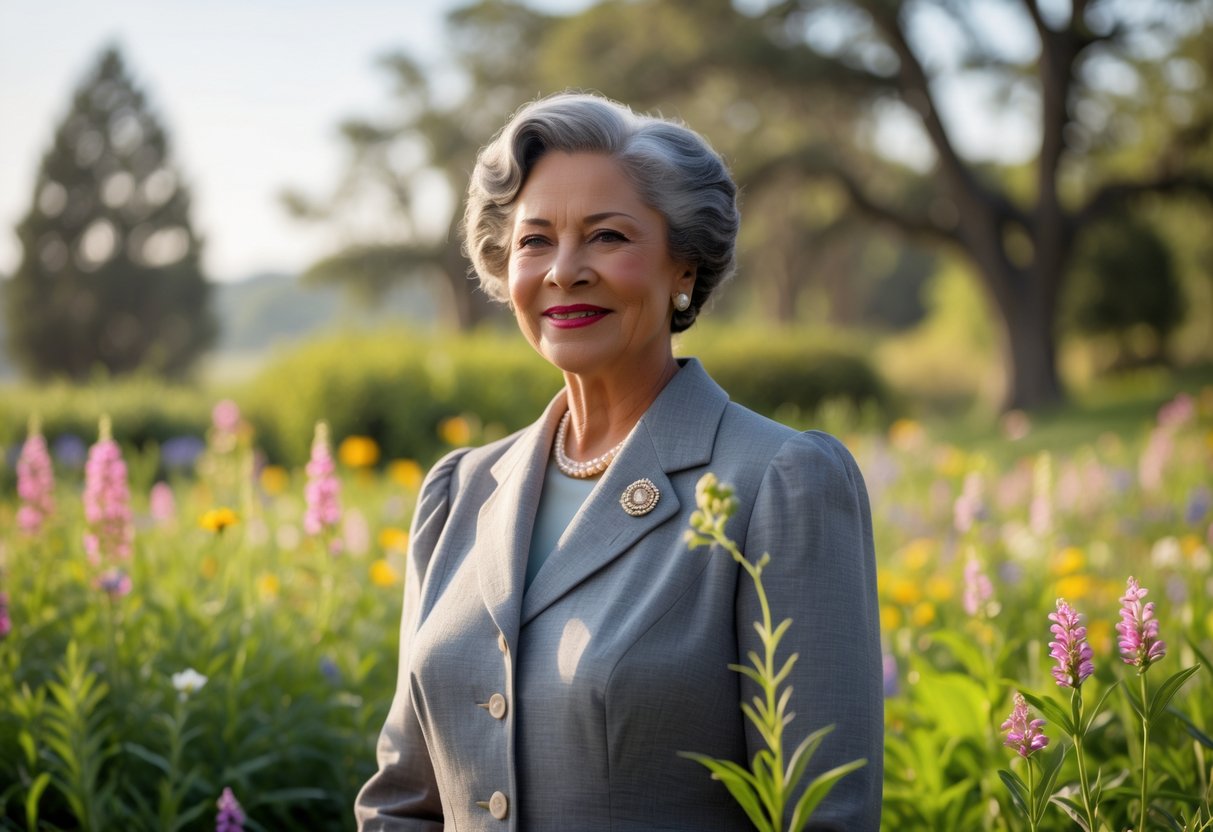
Lady Bird Johnson played a big part in politics and environmental work. She earned plenty of honors for her service, and her dedication made a real difference in public service and conservation.
Meeting Lyndon Baines Johnson
Claudia Alta Taylor met Lyndon Baines Johnson while studying at the University of Texas at Austin. She picked up degrees in history and journalism, which ended up being pretty useful.
They married in 1934. Lady Bird supported Lyndon’s political life right from the start.
When Lyndon joined the Navy during World War II, Lady Bird managed his congressional office. Her $10,000 inheritance helped fund his first campaign. She wasn’t just a supportive spouse—she played an active role in politics and even owned a radio station in Austin for years.
Role as First Lady and Major Initiatives
Lady Bird became First Lady in 1963 and left her mark. She championed the Highway Beautification Act of 1965, which aimed to clean up highways and cut down on billboards.
She also started the First Lady’s Committee for a More Beautiful Capital, which worked to spruce up Washington, D.C. Lady Bird supported the Head Start program, focusing on early education for kids who needed it most.
She worked to preserve and improve the White House gardens, even creating the Children’s Garden on the South Lawn.
Contributions to Conservation and Public Service
Lady Bird loved nature from the time she was a kid, growing up near Caddo Lake in Texas. She used her influence to promote native plants and wildflowers, like Texas bluebonnets, all over the country.
Her passion led her to start the National Wildflower Research Center in 1982. The center helps protect native plants and pushes for conservation.
She encouraged Americans to care about their environment and often connected nature with public service. Her work didn’t just make things prettier—it helped preserve natural heritage and inspired people to pay attention to the world around them.
Honors and Memorials Associated with Lady Bird Johnson
People recognized Lady Bird Johnson with many honors for her work. In 1977, she received the Presidential Medal of Freedom, which is the highest civilian honor in the U.S.
Later, in 1988, she got the Congressional Gold Medal for her public service. That’s no small feat.
If you ever get the chance, you can visit the LBJ Ranch in Texas. She rests there, right beside Lyndon B. Johnson.
The Lady Bird Johnson Wildflower Center in Austin stands as a lasting memorial to her dedication to conservation. Honestly, it’s a beautiful place and feels like just the right tribute.
She published A White House Diary, which gives a personal view of her time in public life. It’s a fascinating way to get some real insight into her legacy.


