
Bird idioms show up everywhere—they’re those quirky phrases that use birds to describe ideas, feelings, or situations in a creative way. You can’t just take these idioms at face value. They usually mean something deeper about how people act or what they experience.
Once you get the hang of bird idioms, you’ll probably find it easier to connect with others—and honestly, your conversations might get a little more fun.
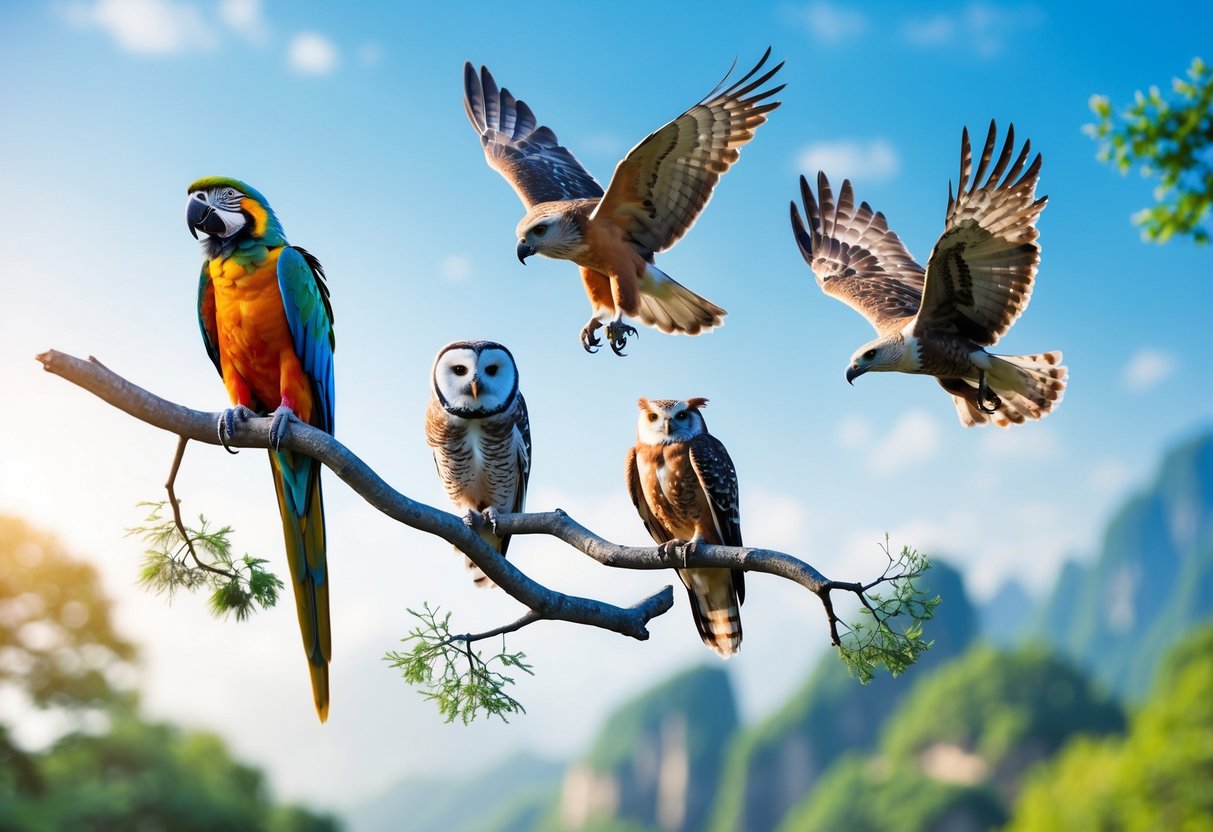
You’ll hear things like “the early bird catches the worm” or “a little bird told me” all the time. These sayings come from the way birds behave or what they stand for—freedom, wisdom, maybe even a bit of foolishness.
Learning these idioms helps you catch what people really mean, and it can make your own speech stand out.
If you’re hoping to improve your English or just enjoy playing with language, bird idioms are a solid place to start. They show how language and nature kind of mix together.
Once you know a few, you’ll start spotting them everywhere—stories, movies, or just chatting with friends.
For more details and examples, here’s a list of bird idioms with examples and definitions.
Understanding Bird Idioms

Bird idioms use birds or their habits to say something more than the plain meaning of the words. They add a splash of color to how we talk, making it easier to describe situations or people in a creative way.
These expressions come from culture, history, and just watching birds do their thing. You’ll hear them in daily conversations, stories, and writing.
If you know a few, your speech will sound richer and you’ll probably understand people better too.
Definition of Idioms and Bird Idioms
An idiom is a phrase that doesn’t mean exactly what the words say. “Kick the bucket,” for example, isn’t about a bucket—it means someone died.
Bird idioms use birds as stand-ins for ideas. They take things we notice in birds—freedom, speed, silliness—and use them to talk about people or life.
So, free as a bird means you feel totally free.
Bird idioms are a type of figurative language—they paint pictures with words. If you get how they work, it’s easier to follow conversations and spot colorful language in books or movies.
Origins and History of Bird Idioms
People have used bird idioms for ages, drawing from old stories, daily life, and just watching birds out in the wild.
Ancient cultures saw birds as symbols. Owls stood for wisdom, and crows often meant bad luck. These old ideas shaped the idioms we use now.
Over time, these sayings stuck. Even if people don’t think about the actual birds anymore, the idioms keep their original meanings.
A lot of bird idioms spread through English thanks to farming, hunting, and old folk tales. They show how people used to live close to nature.
Why Are Bird Idioms Popular in English?
Bird idioms stick around because birds do things that are easy to notice and easy to relate to.
Birds fly, sing, and build nests. Those actions can stand for freedom, happiness, or home.
Using birds in expressions makes ideas pop into your head right away.
Plus, bird idioms are short and catchy. Saying someone’s an early bird is so much easier than explaining they like getting up at sunrise.
You can use them in serious or silly situations. That kind of flexibility keeps them going in everyday English.
Bird Idioms in Everyday Conversation
You’ll bump into bird idioms all the time—whether you’re just chatting or watching a movie.
Phrases like eat like a bird or have a bird’s-eye view come up naturally. They’re handy for describing habits or giving your opinion in a simple way.
When you want to be clear but still creative, bird idioms do the job. Saying someone flies the nest means they moved out on their own—it’s a lot more fun than just saying they left home.
Knowing these idioms helps you get what English speakers mean, and lets you play with language a bit.
For more examples, check out this guide on idioms for birds.
Common and Unique Bird Idioms Explained

You’ll spot bird idioms all over English—they really paint a picture of what’s going on. Some talk about taking chances, others about freedom, secrets, or even how people act.
Most of these sayings use something familiar about birds to make an idea easy to get.
Expressions of Opportunity and Action
Bird idioms often point to grabbing chances or making smart moves. Take “the early bird catches the worm.” It’s a reminder that if you start early, you’re more likely to get what you want.
It’s all about acting quickly.
Another classic is “kill two birds with one stone.” This one means you solve two problems or get two good things done at once.
It’s perfect for when you want to be efficient.
You might also hear “fly the coop” or “fly the nest.” Both mean leaving a place you’ve outgrown to try something new.
They use the idea of birds leaving home to strike out on their own.
When you say something happens “as the crow flies,” you’re talking about the shortest, straight-line distance between two places. It’s a simple way to talk about distance without all the twists and turns.
Freedom and Independence Idioms
Birds often stand for freedom, and these idioms show it. When you say you’re “free as a bird,” you mean there’s nothing holding you back.
It’s a nice way to talk about feeling light or unburdened.
“Spread your wings” is about trying new things or gaining independence. Maybe you’re starting a new job or moving out—this idiom fits right in.
There’s also “nest egg,” which means you’re saving money or resources for the future. It’s about getting ready before making a big move.
Ever heard of a “night owl”? That’s someone who likes to stay up late and feels more awake at night, the opposite of an early bird.
Secrets, Caution, and Warnings
Some bird idioms are about secrets or warnings. For example, if you say, “a little bird told me,” you mean you heard a secret but you’re not saying who told you.
It’s a playful way to share gossip.
“Watch like a hawk” is about paying close attention, ready to spot any mistake or trouble. It’s about being alert.
If you stir up trouble or make things tense, people might say you “put a cat among the pigeons.” That means you caused chaos where things were calm.
And “chickens come home to roost” warns that bad actions or choices eventually catch up with you.
Idioms Describing People and Behaviors
Bird idioms pop up everywhere when we talk about people and how they act. If you call someone a “birdbrain,” you’re saying they forget things or just aren’t that sharp. People like to joke that birds have tiny brains, so that’s where it comes from.
When someone is “wise as an owl,” you’re giving them credit for being smart or making solid choices. Owls just have that wise vibe in a lot of cultures.
If you notice people sticking with their own kind, you might say “birds of a feather flock together.” Folks with similar interests or habits usually end up hanging out together.
Ever met someone who’s “proud as a peacock”? They like to show off or maybe just feel super proud of themselves. Sometimes it’s a compliment, but it can be a gentle tease about being vain.
Some idioms hint at transformation, like “ugly duckling.” This one describes someone who starts out awkward or plain but eventually turns into someone impressive.
And then there’s “feather your nest.” People use it when someone makes money or improves their own situation, often just for themselves.
Bird behavior gives us all sorts of colorful ways to talk about life and people. If you’re curious for more, check out sources like 28 Bird idioms (with examples and definitions).


