
Birds don’t just sing or chirp to talk to each other—they use their whole bodies to send messages. Absolutely, birds have body language, and they use it to show how they feel, warn others, attract mates, and even settle arguments.
If you pay attention to their movements, postures, and feather displays, you can pick up on a lot about what’s happening in their world.
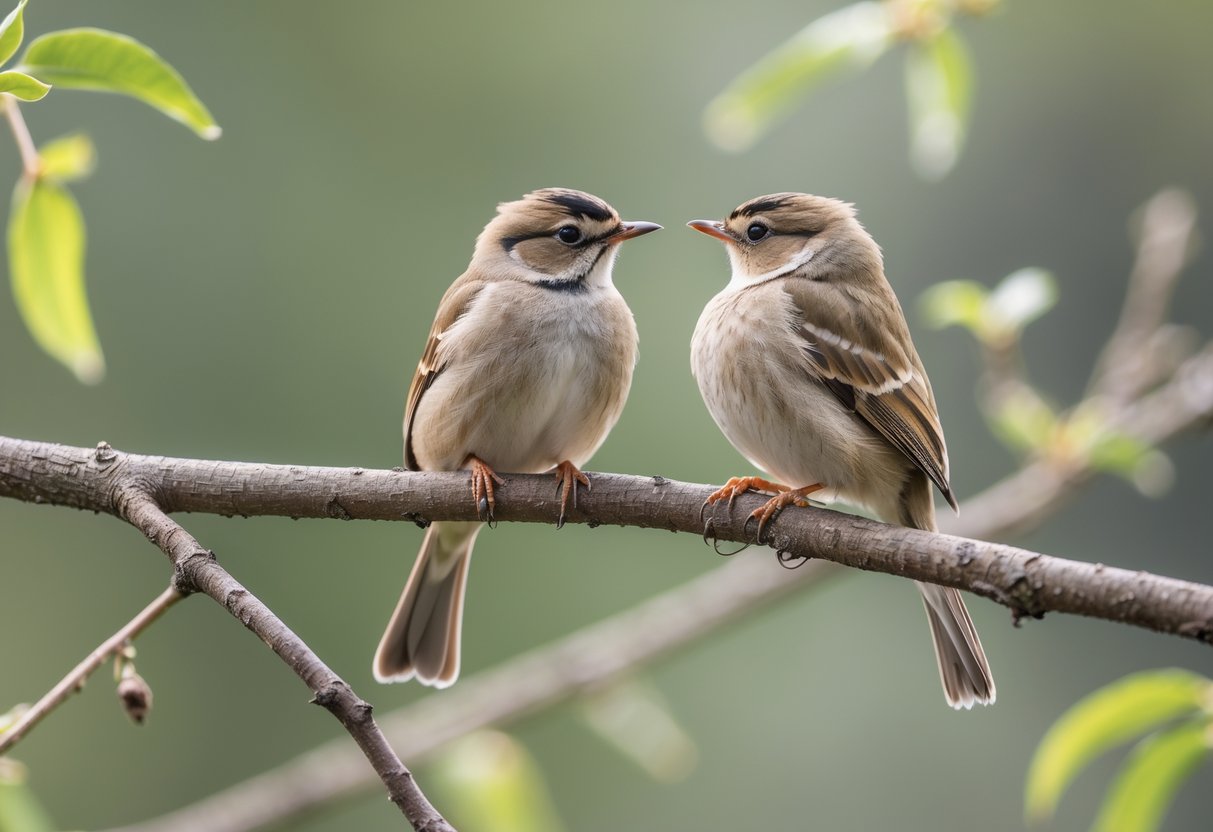
Once you start reading bird body language, you’ll notice their communication in a whole new way. Little things—like a quick wing flick, a head tilt, or a twitchy tail—can show if a bird is scared, angry, excited, or just chilling out.
This silent language helps birds survive and get along with others. It’s kind of wild, honestly, how much they share without making a sound.
If you watch birds in your backyard or have pet birds, understanding their body signals can really change the way you connect with them. You’ll notice how much they “say” without a single chirp, and it makes birdwatching way more interesting.
Let’s dig into how birds use body language to communicate.
How Birds Use Body Language to Communicate

Birds send out all kinds of signals with their bodies to share feelings and intentions. You’ll notice movements of feathers, beaks, and even their eyes.
If you watch these cues, you can get a pretty good sense of what a bird is trying to tell you—maybe it’s happy, maybe it’s on edge, or maybe it’s just curious.
Fundamental Bird Body Language Signals
Feather fluffing shows up a lot. When a bird puffs up, it’s usually trying to look bigger and more impressive.
This move helps it show strength to rivals or catch the eye of a mate. It’s a bit of a “look at me” moment.
Tail flicking is another thing you’ll see. Birds flick their tails when they’re alert or maybe a little annoyed.
When a bird raises its wings, it might feel excited or it’s just getting ready to fly. Sometimes, you’ll spot a bird crouching low.
That usually means it feels threatened and is ready to defend itself. Some birds fan their tails really wide to look larger and warn others off.
Beak Movements and Their Meanings
Beak movements actually say a lot. When a bird grinds its beak, it usually feels relaxed and pretty content.
If it clicks its beak, that’s a sharper sound—kind of like a warning or a “back off” message.
You’ll see birds wipe their beaks on branches or perches, especially after eating. Sometimes, though, it means the bird is calming itself or even marking its territory.
Each of these little movements has meaning. If you watch your bird’s beak, you can pick up on its mood in the moment.
Eye Expressions and Emotional Cues
Birds use their eyes to send strong signals, too. Eye pinning—when the pupils quickly get big and small—usually means the bird feels excited or super focused.
If your bird blinks slowly, it’s probably feeling safe and calm around you. But if its eyes go wide and unblinking, that could mean surprise or fear.
These eye changes are subtle but they add a whole new layer to reading bird body language. It’s honestly fascinating.
You can dive deeper into these signals by checking out how birds communicate through their body language and different postures.
Interpreting Bird Body Language: Behaviors and Health Signals

Birds show how they feel and whether they’re healthy through their body language. If you watch how your bird moves its feathers, wings, tail, and head, you can spot its mood or notice if it’s not feeling well.
Feather and Wing Behaviors
When your bird preens its feathers gently, that’s a sign it feels safe and wants to keep clean. If it fluffs up its feathers, it usually means comfort or relaxation.
If your bird droops one or both wings, it might be tired or maybe even sick. Sometimes, birds flap their wings without flying—it’s often just stretching or burning off a little energy.
Feather plucking is a red flag. If your bird pulls out its own feathers, it could be stressed or have a health issue.
You’ll want to reach out to a vet if you notice this.
Aggression and Stress Indicators
Aggressive birds might bite, lunge, or let out loud squawks. If your bird clicks its beak, that’s usually a warning to give it some space.
Tail fanning—when the tail feathers spread out wide—can show confidence, but it’s also a way to look bigger if the bird feels threatened.
If your bird bites the cage or shreds toys too much, it might be feeling stressed or unhappy. Changes like these need your attention.
Tail and Head Gestures
When your bird wags its tail, it’s usually feeling excited or maybe just curious about something.
If you spot a quick up-and-down tail motion, that’s tail bobbing. Sometimes it means your bird’s eager, but honestly, it could be a sign of illness too—so don’t ignore it.
Some birds, like cockatiels, bob their heads a lot. They do this when they want to play or if they’re looking for a bit of attention.
If your bird lowers its head toward you, it probably wants a gentle scratch. Pretty cute, right?
Try to notice these little gestures. They really say a lot about what your feathered friend wants.
Want more tips on reading bird body language? Check out What Is My Bird Trying To Tell Me? Decode Avian Signals & Meanings.


