
Ever spent a lazy afternoon in a British garden and wondered which bird you’re most likely to spot? The house sparrow is actually the most common bird in British gardens. For years, it’s been the favorite guest, darting between bushes or pecking near feeders.
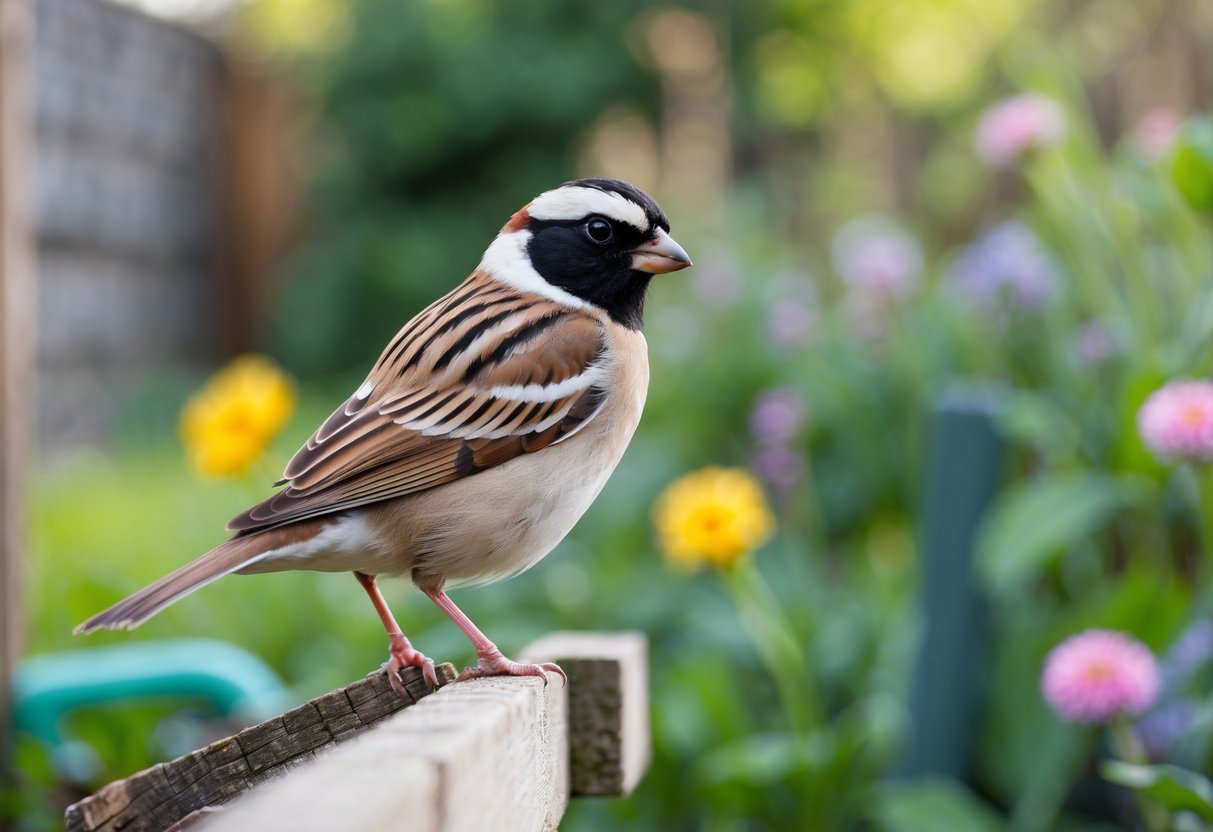
But it’s not just sparrows. Wood pigeons, robins, and blackbirds also bring a bit of life and color to your outdoor space. Knowing which birds show up most often can help you attract them and enjoy their company a bit more.
If you’re curious about all the usual suspects, check out this guide on the most common garden birds in the UK.
Most Common Garden Bird in Britain

You’ll probably notice a small, energetic bird darting between bushes and flower beds. This bird, one of Britain’s most common garden visitors, has some quirky habits and clever tricks for surviving near people.
Wren: Profile and Key Facts
Wrens are tiny—about 9-10 cm long—with round bodies and a short, often upright tail. Their brown, streaked feathers help them disappear into garden shrubs and trees.
You can find wrens all over the UK, not just in gardens but also in woodlands and hedgerows. They stay active through every season, even in winter, and their loud, complicated songs might surprise you given their size.
They eat mostly insects and spiders, searching through leaves and bark for their next snack. Wrens build dome-shaped nests, usually tucked away in dense plants or hidden corners of the garden.
How to Identify the Wren in Your Garden
Want to spot a wren? Look for a tiny bird moving quickly near the ground or deep in bushes. Its tail often sticks straight up—a real giveaway.
Wrens aren’t flashy. Their brown feathers with fine streaks help them blend in. If you hear a quick, high-pitched trill that only lasts a couple seconds, that’s probably a wren.
You might see them hop and flick their tails, especially if something startles them. Watching this can help you tell them apart from sparrows or tits.
Why Wrens Thrive in British Gardens
Wrens manage well in gardens because they use hidden, snug spaces for nesting. Your shrubs, hedges, and tangled undergrowth give them the cover they need.
They eat plenty of insects, which are easy to find if your garden has flowers, logs, or piles of leaves. They rarely have to go far for a meal.
Wrens aren’t fussy—they’ll use all sorts of habitats and adapt to different garden styles. If you leave a few wild patches in your garden, you’ll likely make it a great spot for wrens.
For more about garden birds like wrens, visit 23 Common Garden Birds in the UK.
Popular Birds Regularly Spotted in British Gardens

In most gardens, you’ll see a mix of birds with all sorts of colors and personalities. Some stick close to people, while others prefer the quiet corners with thick bushes.
Many birds love feeders, but others search the ground for seeds or insects.
House Sparrow and Its Habitat
House sparrows probably top the list of garden birds you’ll see. These small, chunky birds aren’t shy about hanging out near people.
Males have a black bib, grey head, and chestnut back. Females look plainer—mostly brown, with a pale stripe above the eye.
You’ll often find sparrows in noisy flocks, hopping on the ground for seeds and insects. They nest in holes in walls, hedges, or bird boxes.
During breeding season, they need insects to feed their chicks, so gardens with plenty of flowers and shrubs really help them out. Their numbers have dropped in some areas, but putting out food can really make a difference.
Blue Tit, Great Tit, and Coal Tit Differences
Blue tits, great tits, and coal tits are regulars at feeders. You can spot a blue tit by its bright blue cap and yellow belly.
Great tits are bigger, with a black head, white cheeks, and a bold black stripe down their belly. Coal tits are smaller and have a white patch on the back of their neck.
All three love to hang upside down while searching for insects on branches. Great tits act bold and noisy, sometimes leading the others.
Blue tits are speedy and dart around, while coal tits prefer conifers but still visit gardens. They nest in holes or boxes and eat insects in warmer months, switching to seeds when it’s cold.
If you put out mealworms, you’ll probably attract them.
Blackbird, Robin, and Starling Behaviours
Blackbirds, robins, and starlings all have their own quirks and are garden favorites. Blackbirds are easy to spot—males are black and females are brown.
They love wandering across lawns, looking for worms and insects. Their song is rich and musical, especially at dawn.
Robins are smaller and have that classic red-orange breast. You’ll often see them hopping around quietly or flashing their bright chest if they’re defending their patch.
Robins eat insects and fruit and sing all year long.
Starlings gather in big flocks, especially in winter. Their shiny black feathers shimmer with purple and green.
They’re loud and can mimic other birds. You’ll see them strutting around for insects and berries.
If you’re lucky, you might catch their swirling flights at dusk—those are something else.
Finches, Doves, and Other Visitor Species
Your garden might welcome finches—chaffinches, greenfinches, and goldfinches. Chaffinches have pinkish underparts and blue-grey heads.
Greenfinches show off olive-green feathers, while goldfinches flash bright red faces and yellow wing bars. These birds love seeds from feeders and plants like teasels.
Collared doves, a bit larger and pale grey, have a black patch on their necks. You’ll often see them calmly perched on roofs or pecking around on the ground.
Other visitors? Dunnocks, which are small and shy, resemble sparrows but look a bit plainer. Magpies come by too, with their striking black-and-white feathers and those long tails.
Sometimes, you’ll spot jackdaws or jays. Both are clever and seem to have a thing for nuts and seeds.
Wood pigeons show up a lot as well. They’re bigger birds, usually heard before you see them thanks to those soft “coo” calls.
Smaller birds like long-tailed tits and goldcrests might drop in as well. They often travel in flocks, especially once winter hits.
If you keep bird feeders, mealworms, and bird tables stocked, you’ll attract these guests year-round. Toss in a mix of food and some shelter—maybe a few bushes—and you’ll see a surprising variety of birds popping by.
For more about these common visitor species and how to spot them, check out this detailed guide on common garden birds in the UK.


