
Ever catch yourself wondering what the most common bird in the world is? Honestly, you’re not alone. Birds are everywhere—city parks, forests, even buzzing around your backyard. But one bird really takes the crown, both in numbers and in how deeply it’s woven into daily life.
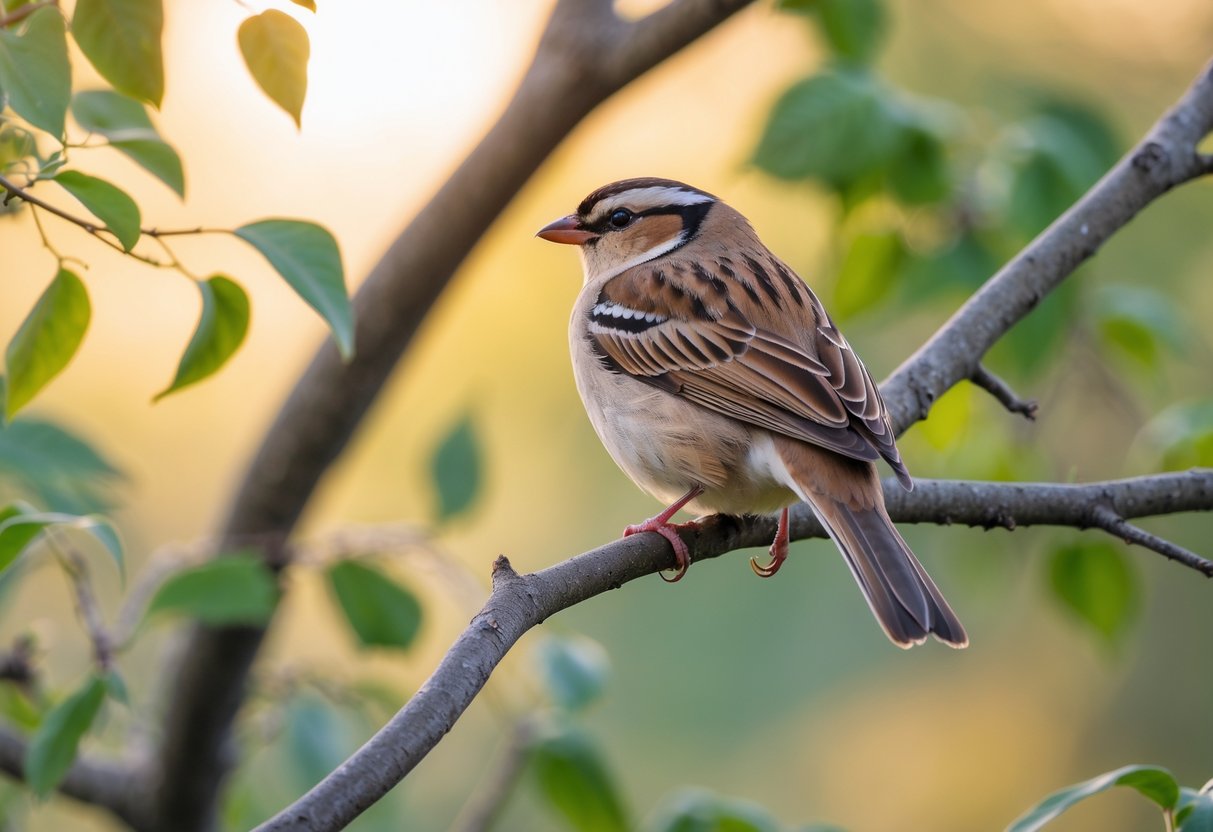
The domestic chicken is the most common bird in the world, with a population of over 22 billion. You’ll find chickens all over—not just on farms, but as part of so many cultures, traditions, and dinner plates. Their numbers are just staggering, honestly.
Other birds pop up pretty often too, like the red-billed quelea or the mourning dove. Still, chickens are way ahead of the pack. Knowing which bird rules the world by numbers might just make you see those everyday birds with fresh eyes.
What Is the Most Common Bird in the World?

You might be surprised by which birds have the biggest populations on Earth. Some hang out near people, while others gather in massive flocks out in the wild.
Learning about these birds can really open your eyes to their place in nature. It might even change how you notice them day-to-day.
Domestic Chicken: The Highest Population
The domestic chicken easily tops the list as the most common bird worldwide. There are about 22.67 billion chickens out there—yeah, that’s a real number.
People mainly raise chickens for food, both meat and eggs, so they’re important to farmers and families everywhere.
Chickens live wherever humans do. They’re simple to care for, grow fast, and provide a lot for people.
Because of all this, chickens outnumber wild birds by billions. Their population has exploded since the 20th century, thanks to industrial farming.
Red-Billed Quelea: The Most Abundant Wild Bird
Curious about wild birds? The red-billed quelea takes the prize for the most numerous wild bird on Earth.
There are around 1.5 billion of these tiny birds flying around Sub-Saharan Africa.
Red-billed queleas flock together in groups so big they look like moving clouds. Sometimes they cause trouble for farmers by eating crops, but you have to admit, it’s impressive how they thrive on their own.
Their huge numbers really show how some birds can survive and even flourish without any help from humans.
House Sparrow and Other Widespread Species
Chickens and queleas aren’t the only birds you see everywhere. House sparrows are another super common sight around the world.
They stick close to people—cities, farms, suburbs, you name it. You’ll probably see them hunting for crumbs or nesting under your roof.
Other birds, like mourning doves and starlings, have millions of individuals worldwide too. These birds adapt to all sorts of places, so it’s no wonder you spot them so often.
| Bird Species | Estimated Population | Habitat Type |
|---|---|---|
| Domestic Chicken | 22.67 billion | Domestic farms |
| Red-Billed Quelea | 1.5 billion | Wild, Sub-Saharan Africa |
| House Sparrow | Hundreds of millions | Urban and rural areas |
Top Wild Birds by Global Population

Plenty of wild bird species have huge populations across the globe. Some are everywhere in cities, while others stick to forests and fields.
Getting to know these birds gives you a better idea of which ones you’ll likely see the most.
Mourning Dove Across North America
The mourning dove is everywhere in North America. You’ll spot them in cities, suburbs, and farmland.
Their soft cooing is a familiar background sound for many people. Mourning doves are strong fliers and migrate long distances.
Their population sits in the hundreds of millions, so they’re doing just fine. They mostly eat seeds and handle different environments pretty easily.
The IUCN lists them as a species of least concern because there are so many of them. If you put out birdseed, don’t be surprised if mourning doves show up.
American Robin and Common Species in the US
The American robin is a classic sign of spring in the US. You’ll find them in parks, gardens, and forests.
They stand out with their bright red chests. Other birds, like the red-winged blackbird, are also everywhere.
Red-winged blackbirds hang out near wetlands and open fields. Their loud calls are hard to miss.
Together, these birds have populations in the hundreds of millions. You’ll probably see doves around too—they do well in both cities and the countryside.
Their ability to adapt and breed successfully really keeps their numbers up.
Common Starling, Common Swift, and Urban Birds
The common starling is one of the most widespread birds on the planet. If you live in a city, you’ve probably seen flocks swirling through the sky or perching on wires.
Starlings adapt quickly to new places and eat just about anything, from insects to seeds.
Common swifts are another story—they’re everywhere, but you might not notice them much. They spend most of their lives flying and catch insects mid-air.
Swifts nest in both cities and wild spots, and they travel huge distances when they migrate.
Starlings and swifts are great examples of birds that use cities for food and shelter. Their knack for living near people helps keep their numbers up worldwide.
Common Pheasant, Chipping Sparrow, and Others
Some wild birds, like the common pheasant, show up in big numbers but you’ll mostly spot them in farmlands or grassy fields. People raise these colorful gamebirds, and they hunt them pretty often.
The chipping sparrow is small but pops up everywhere in North America’s woods and even in neighborhoods. These sparrows sing sharp, simple songs and usually stick close to trees.
You’ll also run into plenty of other birds with big populations—think doves or blackbirds, depending on where you live. Their numbers really depend on things like habitat, food, and whether groups like the IUCN step in to protect them.
Honestly, paying attention to these species can help you notice just how much variety there is in the wild birds around you.


