
Ever heard someone say they’re “in the catbird seat” or call someone a “catbird”? It’s a phrase with a cool vibe, and it usually means having an advantage or being in a prime spot—whether that’s in a game, a deal, or just life in general.

When people use “catbird” as slang, they’re often talking about someone who’s smooth, confident, and knows how to grab attention or win folks over. It’s like saying someone’s got the upper hand or is “sitting pretty” in a situation.
You might catch this phrase in sports, on TV, or just in a casual chat. Honestly, digging into where it comes from and how people use it is kind of fascinating.
Meaning and Usage of ‘Catbird’ as Slang
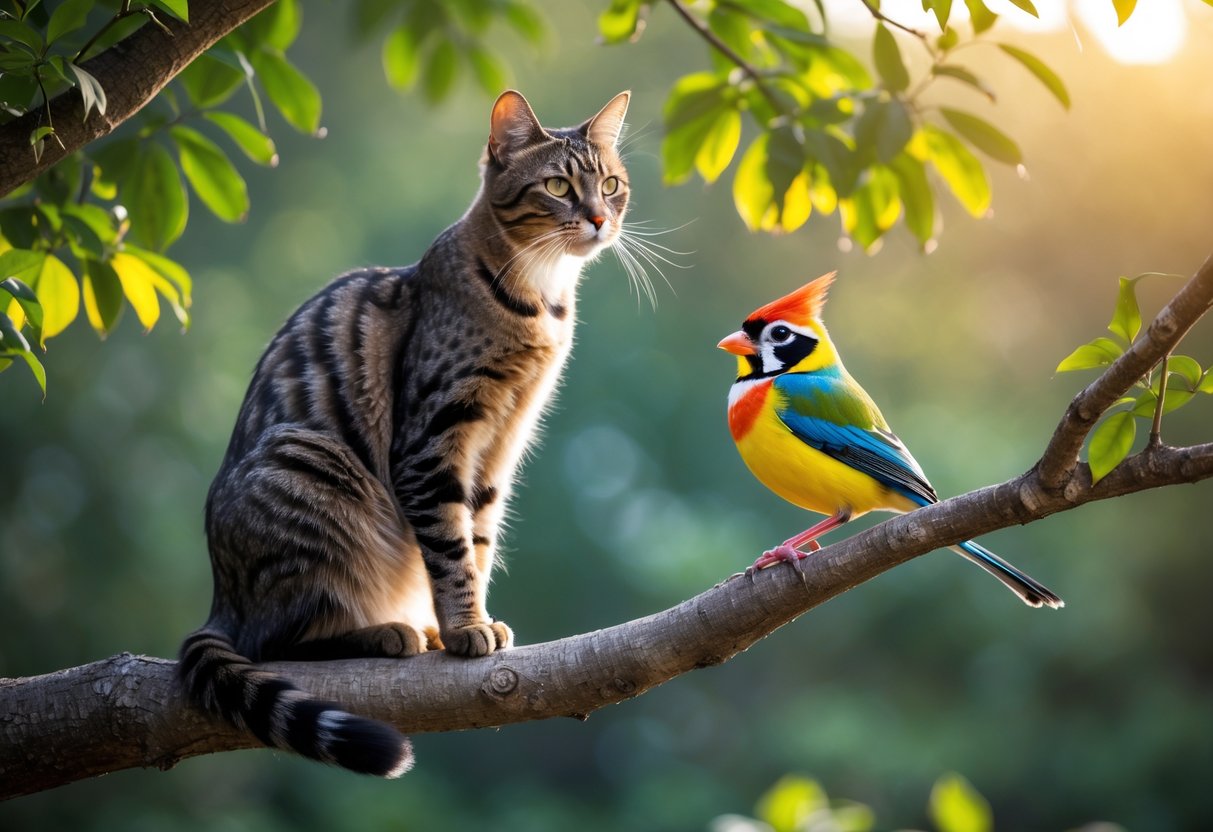
In American English, “catbird” pops up in a few ways. Sometimes it just means the actual bird, but people also use it in slang and idioms for special situations or standout personalities.
Knowing its different meanings helps you catch the vibe when someone drops it into conversation.
Literal and Figurative Definitions
A catbird is, well, a real bird. It’s gray, and you’ll hear its weird, cat-like calls if you listen closely. You’ll usually spot it perched high up, singing over the rest.
That habit—hanging out above the crowd—gave rise to its figurative meaning. In slang, a “catbird” is someone clever or smooth, maybe someone who just naturally draws eyes at a party.
It also points to someone in a good or winning spot, thanks to the bird’s high perch.
Common Idioms: ‘In the Catbird Seat’ and Variations
You’ll hear “in the catbird seat” tossed around sometimes. It means being in a great position, with an edge over everyone else.
People started using this idiom in American slang, and it’s stuck around in sports, business, and everyday talk. If you’re “sitting in the catbird seat,” you’re in control or have a real shot at success.
Contexts of Use in American English
Mostly, folks use “catbird” in informal, everyday American English. You’ll hear it when people talk about someone who’s confident or just doing really well.
It also pops up when people describe feeling lucky or totally in control—someone might say they’re “in the catbird seat” if things are going their way. In some Appalachian areas, people use “catbird” to describe someone unique or a bit odd, so it’s got a couple of local twists too.
Examples in Modern Conversation
Say your coworker just landed a fantastic new job. You might say, “He’s really sitting in the catbird seat now.”
Or maybe someone’s the life of the party—people might call them a “catbird” because they attract attention without even trying.
You could also hear, “She’s in the catbird seat for the promotion,” meaning she’s got a clear advantage over the competition. These examples show how the slang ties back to power, charm, and a bit of luck.
If you want to dig deeper, check out more about the catbird seat idiom or the slang catbird definition.
Origins and Popularization in American Culture

“Catbird” as slang has roots in nature, sports, and old-school storytelling. Its journey from the woods to popular language is a little quirky, honestly.
Etymology and the Gray Catbird
The word “catbird” comes from the gray catbird, a songbird you’ll find all over North America. People named it for its odd, cat-like mewing sound.
Picture the gray catbird sitting up high, calling out above the rest. That image inspired the idea of being in a strong or special spot.
In the American South, folks saw the bird’s high perch as a symbol of having an advantage or being in control. That behavior helped create the slang, linking confident or powerful people to the bird’s presence.
Red Barber and Baseball Broadcasting
Red Barber, the famous baseball broadcaster from the early-to-mid 1900s, really helped spread “catbird” slang. He’d use the phrase during games to describe players who held a winning position—guys who were “sitting pretty.”
Barber’s colorful commentary caught on because baseball was huge, and fans loved his expressions. After that, “catbird seat” made its way into everyday language, especially when talking about competition or tricky situations.
You’ll still hear it today, especially if you hang around sports fans or just folks who like old sayings.
Literary Influence: James Thurber and ‘The Catbird Seat’
James Thurber, the sharp and funny American writer, wrote a story called “The Catbird Seat” back in 1942. He used the phrase to mean having the upper hand or being in a position of power.
Thurber’s story ran in The New Yorker, so readers all over the country got a taste of the phrase. His clever writing helped push “catbird seat” out of sports and rural talk and into regular conversations.
Now, when someone says they’re “in the catbird seat,” you know they’re feeling lucky, strong, or just a little bit ahead of the game.
Spread Through Sports, Literature, and Pop Culture
After Barber and Thurber, people started using the phrase “catbird seat” everywhere—in newspapers, movies, and everyday conversations.
It quickly became a popular way to describe someone who has an advantage, whether through skill or just plain luck.
Sports fans picked it up to talk about the team or player most likely to win.
In regular conversations, folks used it for anyone who seemed to be in a better spot than the rest.
The phrase still feels fresh, probably because it ties together nature, sports, and storytelling in a way that just works.
It’s kind of amazing how phrases can start from something simple, like a bird’s call, and then show up as slang you’ll hear from coaches, writers, or even friends chatting about a lucky break.
If you want to dive deeper into this idiom’s place in American culture, check out how the catbird became a symbol of advantage and how Red Barber really got the ball rolling in baseball.


