
Ever heard an owl hoot at night and wondered what’s up with that? Owls hoot mostly to claim their territory or attract a mate. When you hear that call, the owl’s basically warning others to keep their distance or letting everyone know it’s ready to start a family nearby.

Owls sometimes make other noises, too—like screeches or hisses—usually when they feel threatened. If you listen closely, you can pick up on what’s happening with the owls near your home or around your neighborhood.
Honestly, understanding these sounds can make nighttime a bit more fascinating. Stick around and you’ll figure out why owls hoot, and what those calls might mean for them—and maybe even for you.
Learn more about owl hooting and their meanings
The Meaning and Significance of an Owl’s Hoot at Night
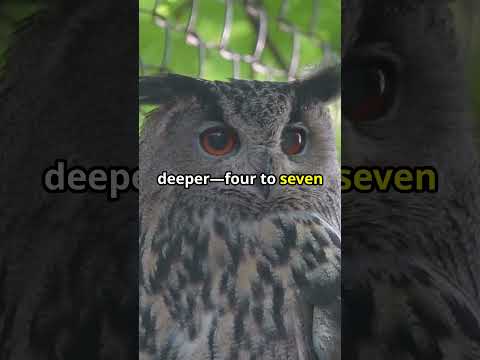
When you hear an owl hoot after dark, it’s usually for a reason. Owls use their hoots to mark territory, find mates, or warn others.
At the same time, people across the world attach all sorts of symbolism and meaning to these calls. Some folks hear an owl and think of wisdom, while others get a bit spooked.
Common Reasons Owls Hoot After Dark
Owls hoot to claim their territory. When a male owl hoots, he’s basically saying, “This is my spot.” That helps keep rivals at bay and avoids unnecessary fights.
Hooting also helps attract a mate or strengthen a bond with a partner. During courtship, especially in fall and winter, you might hear pairs calling back and forth.
Sometimes, owls mix in hisses, growls, or harsh noises when they feel threatened. If you hear those sounds with hoots, the owl probably feels on edge.
Nighttime works best for owls because their calls travel farther in the dark. Plus, hunting at night keeps them safer from daytime predators.
Owl Symbolism in Cultures and Folklore
Lots of cultures see owls and their calls as symbols of wisdom or knowledge. Maybe it’s because owls can see in the dark and seem to know things we don’t.
Some traditions believe owls guard secrets or carry messages between worlds. An owl’s hoot might warn you of an upcoming change or event in your life.
Others say owls are protectors, watching over the night. But not everyone feels that way—some cultures think owl hoots bring bad luck or signal danger.
Whether you think an owl is lucky or not usually depends on where you grew up or what you believe.
Spiritual and Superstitious Interpretations
A lot of people say hearing an owl hoot connects you to the spiritual world. For some, it’s a sign to trust your gut or pay attention to your inner voice.
The call might mean it’s time to reflect or make a change. It could signal transformation or hint that something important is on the horizon.
If you hear an owl at night, maybe it’s a gentle nudge to stay alert to subtle messages around you. Or maybe it’s just a reminder to slow down and listen more closely. For more details on why owls hoot, check out Why Do Owls Hoot? Decoding Their Calls & Meanings.
Understanding Owl Calls, Species, and Nighttime Noises
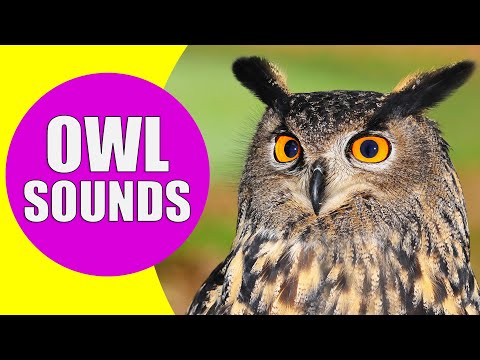
When you hear owls at night, you’re not just hearing random noise. Their calls send out clear messages—sometimes about territory, sometimes about finding a mate, and sometimes as a warning.
Different owl species have their own unique voices. Some hoot, others screech, and a few even bark or whistle.
Identifying Hoots Versus Screeches
Hoots usually sound deep and rhythmic. Owls use them to mark territory or attract a mate.
You might catch a steady “hoo-hoo-hoo” drifting through the quiet night. That’s often an owl announcing, “This is my place,” or, “I’m looking for a partner.”
Screeches, on the other hand, are sharp and high-pitched. You’ll hear them when an owl feels threatened or needs to warn others.
If you hear screeching, chances are the owl feels disturbed or is protecting its nest. Screeches don’t last as long as hoots, and they pack a lot more intensity.
Once you know the difference, you can tell when owls are relaxed and when they’re on high alert.
How Different Owl Species Communicate
Not every owl hoots the same way. Each species has its own style, shaped by where and how it lives.
The Great Horned Owl, for example, has a deep, booming hoot that’s hard to miss. You’ve probably heard it in movies.
Other owls might whistle, click, or even bark instead. These sounds can mean anything from courtship to a warning.
Here’s a quick rundown of some common owl calls:
- Great Horned Owl: Deep hoots for territory and courtship
- Eastern Screech Owl: High-pitched trills and screeches for alarms and family calls
- Burrowing Owl: Chirps and trills, mostly during the day
Knowing which owl you’re hearing can help you figure out what’s going on outside your window.
Barn Owl and Barred Owl: Unique Sounds Explained
Barn Owls and Barred Owls sound nothing alike, and you can actually pick out the difference pretty quickly once you know what to listen for.
Barn Owls let out a long, eerie hiss or screech—definitely not a hoot. Their call almost sounds like a scream, and you’ll usually hear it at night.
They’ll use that screech to talk with their mates or to warn off anything that seems like a threat.
Barred Owls? They go for a much clearer, rolling series of hoots. If you’ve ever heard someone say, “Who cooks for you? Who cooks for you all?”—that’s exactly what their call reminds people of.
You might catch Barred Owls calling at night, but sometimes they even call during the day.
They use those hoots for social bonding and to defend their territory.
Learning to recognize these sounds gives you a better sense of which owl is nearby and maybe even what they’re up to.
If you’re curious and want to dive deeper, check out this guide on owl sounds.


