
So, do owls eat rats in the UK? Yeah, they do—though it really depends on the owl. Barn Owls, which you’ll spot pretty often here, mainly catch small mammals like voles, shrews, and mice.
Rats show up in their diet sometimes, but they’re not nearly as common as those smaller rodents like field voles and wood mice.
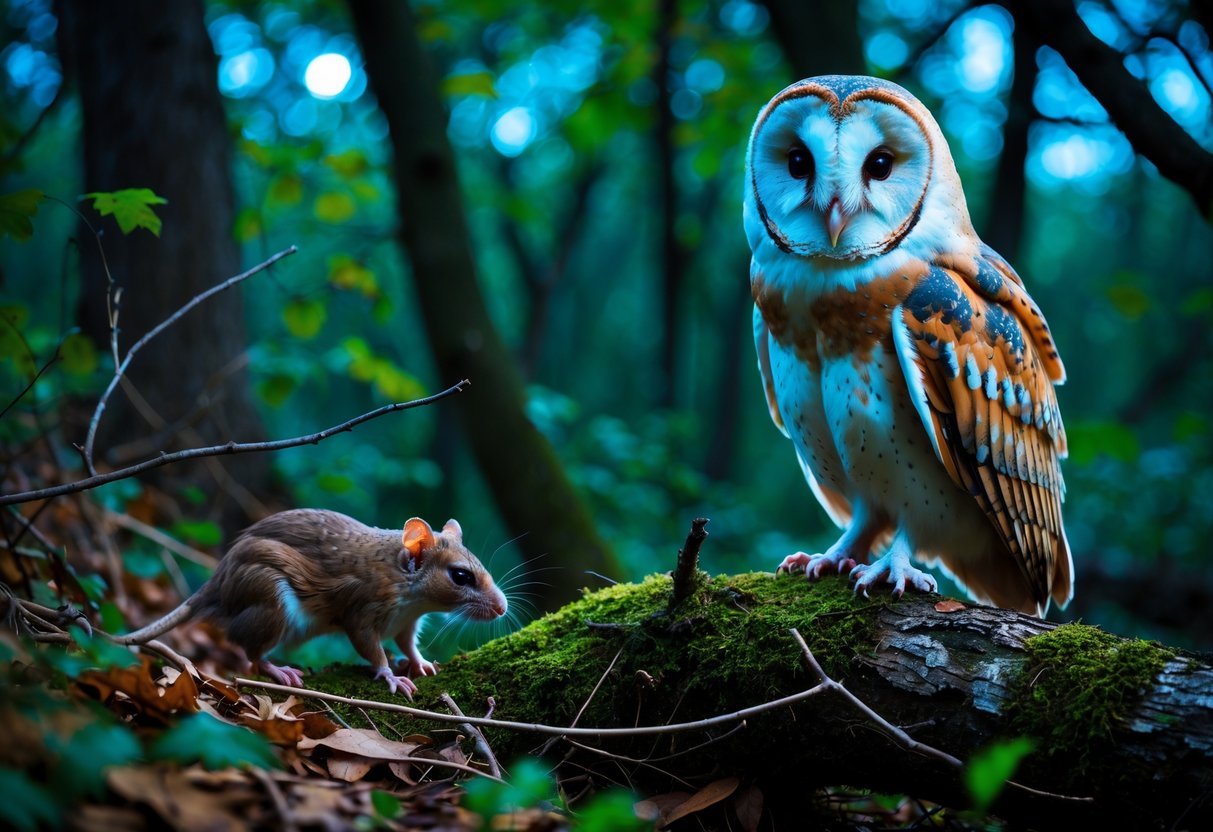
Not every owl goes after rats, which might surprise you. Some species, like the Great Horned Owl, usually hunt bigger prey—including rats—but you won’t really find those owls in the UK.
If you want to know which owls eat rats and how they help control rodents, there’s a lot to unpack about their hunting styles and what they like to eat.
Do Owls Eat Rats in the UK?

So, do owls in the UK go after rats? Yes, but it varies depending on the species and where they live.
Owls usually stick to smaller mammals, but rats are definitely on the menu when they’re around. How often they hunt rats, and what that means for the ecosystem, changes from place to place.
How Common is Rat Predation by Owls?
Barn Owls and a few other owl species in the UK do eat rats, but rats make up a pretty small part of their diet.
Barn Owls mostly go for field voles, common shrews, and wood mice. They’ll eat rats, including brown rats, but not as often as the smaller stuff.
Since rats are bigger and tougher to catch than voles and mice, owls usually only hunt them if those easier meals are hard to find or if rats are just really easy targets nearby.
If you want more details about what Barn Owls eat, the Barn Owl Trust has a breakdown of their diet, showing rats as a less frequent but still important food.
Owl Hunting Habits and Techniques
Owls rely on sharp hearing and that silent flight of theirs to find food at night. They listen for tiny movements, then swoop down fast.
Rats are bigger and a bit more cautious, so owls have to be extra patient and accurate to catch them.
A Barn Owl can eat about 3-4 prey animals each night. If rats are nearby and easy to catch, they’ll be part of those meals.
Owls definitely prefer smaller rodents like voles because they’re easier to grab and carry, but they won’t pass up a rat if they get the chance.
Besides rodents, owls sometimes hunt frogs, small birds, and even insects if they’re around.
Natural Predators and Ecosystem Impact
Owls play a big role in controlling rat and vole numbers naturally in the UK and across Europe.
When owls eat rats, they help keep these pests in check, which is great for farmers and homeowners. This kind of natural balance keeps things running smoothly in the ecosystem.
But rat poison causes real problems for owls. If they eat poisoned rats, the owls can get sick or even die.
That hurts owl populations and messes with the natural control of rats. Using less rat poison helps protect owls and lets them keep doing their job as natural predators.
If you want to read more about how poisons affect owls, check out Woodlands.co.uk.
Key Owl Species That Eat Rats in the UK

Wondering which owls in the UK actually hunt rats? There are a few specific types that are pretty good at it.
Some owls focus on rats and small mammals, while others might only eat rats now and then or just aren’t seen here much.
Barn Owl (Tyto alba): The Rat Hunter
The Barn Owl, or Tyto alba, stands out as one of the UK’s most famous rat hunters.
You’ll often spot them in farmland and open countryside where rats and voles are everywhere. Their hearing is so sharp, they can catch rodents even when it’s pitch dark.
Barn Owls mostly eat small mammals like field voles, but rats—especially brown rats—are still part of their diet.
A pair with chicks can go through thousands of prey animals in a year just to keep everyone fed. That’s kind of wild when you think about it.
Barn Owls swallow their food whole, then cough up pellets of fur and bones later. If you find these pellets near barns or quiet spots, it’s a good sign owls are around.
If you want to dig deeper into what Barn Owls eat, check out the Barn Owl Trust.
Snowy Owl and Other Occasional Visitors
Snowy Owls don’t show up in the UK very often—they’re mostly winter visitors.
When they do appear, they might eat rats if they’re around, but usually, they stick to other small mammals like lemmings back in the Arctic.
These owls look stunning with their white feathers, so you’ll definitely notice them if you see one. But since they’re so rare here, seeing one hunt a rat isn’t likely.
Other owls in the UK might eat rats sometimes, but it really depends on what food’s available.
If you’re curious about the Snowy Owl’s habits, there’s more info over on Wikipedia.
Ghost Owl and Monkey-faced Owl Characteristics
You won’t find the Ghost Owl or Monkey-faced Owl in the UK. These owls live in different parts of the world, and honestly, they’re pretty different from the familiar UK owls.
Because they don’t show up in the UK, they don’t hunt rats there. If you’re curious about them, you’ll notice their hunting styles are unique, and their habitats look nothing like those of Barn or Tawny Owls.
If you want to learn about rat-hunting owls near you, it makes more sense to look at Barn or Tawny Owls. Still, there’s something fascinating about these exotic owls and their odd features, isn’t there?


