
If you’re curious about when the RSPB Big Garden Birdwatch happens, it’s always on the last weekend of January. The next one is set for January 23-25, 2026.
It’s honestly a fun, no-stress event—you just spend an hour watching and counting birds from your garden, balcony, or even a nearby park.
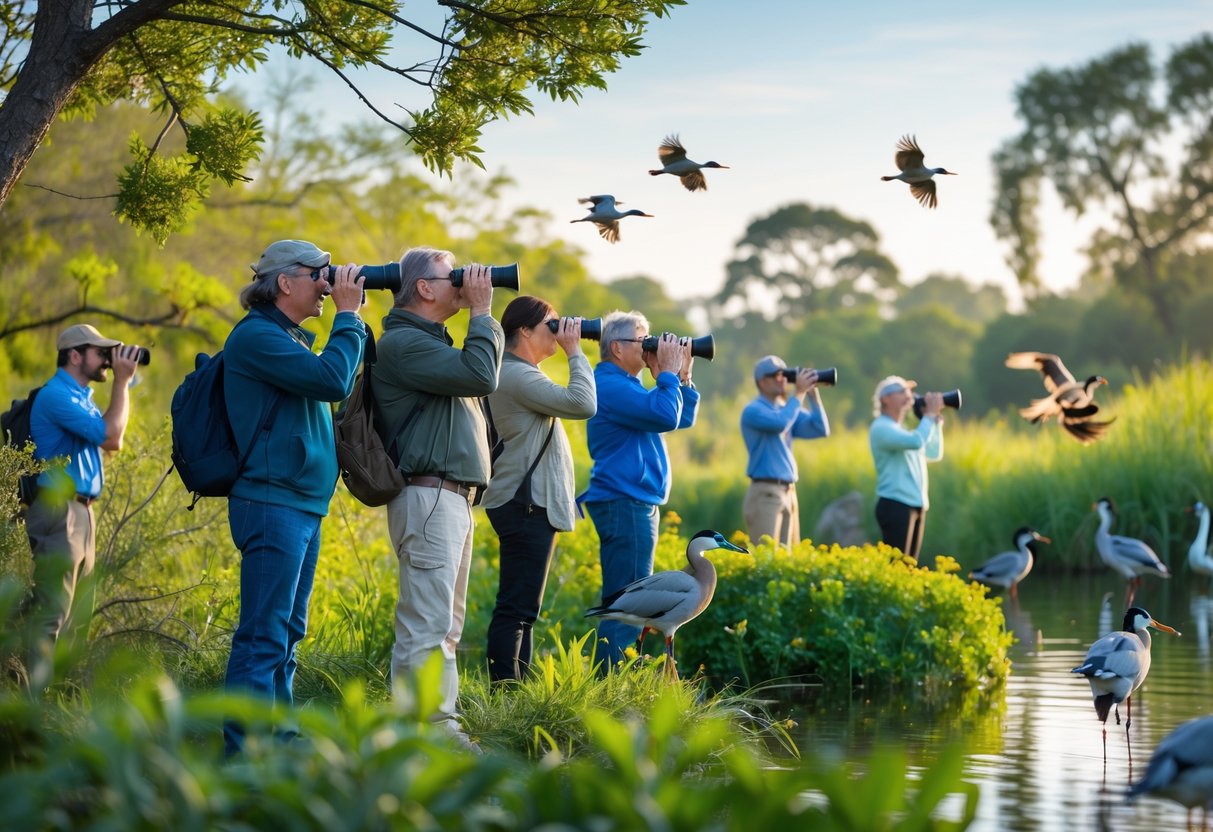
You get to connect with nature and help scientists keep track of bird populations across the UK. It doesn’t matter if you’re just starting out or have done this before—millions join in every year, and it really does make a difference for wildlife.
Big Garden Birdwatch 2025 Dates and Details
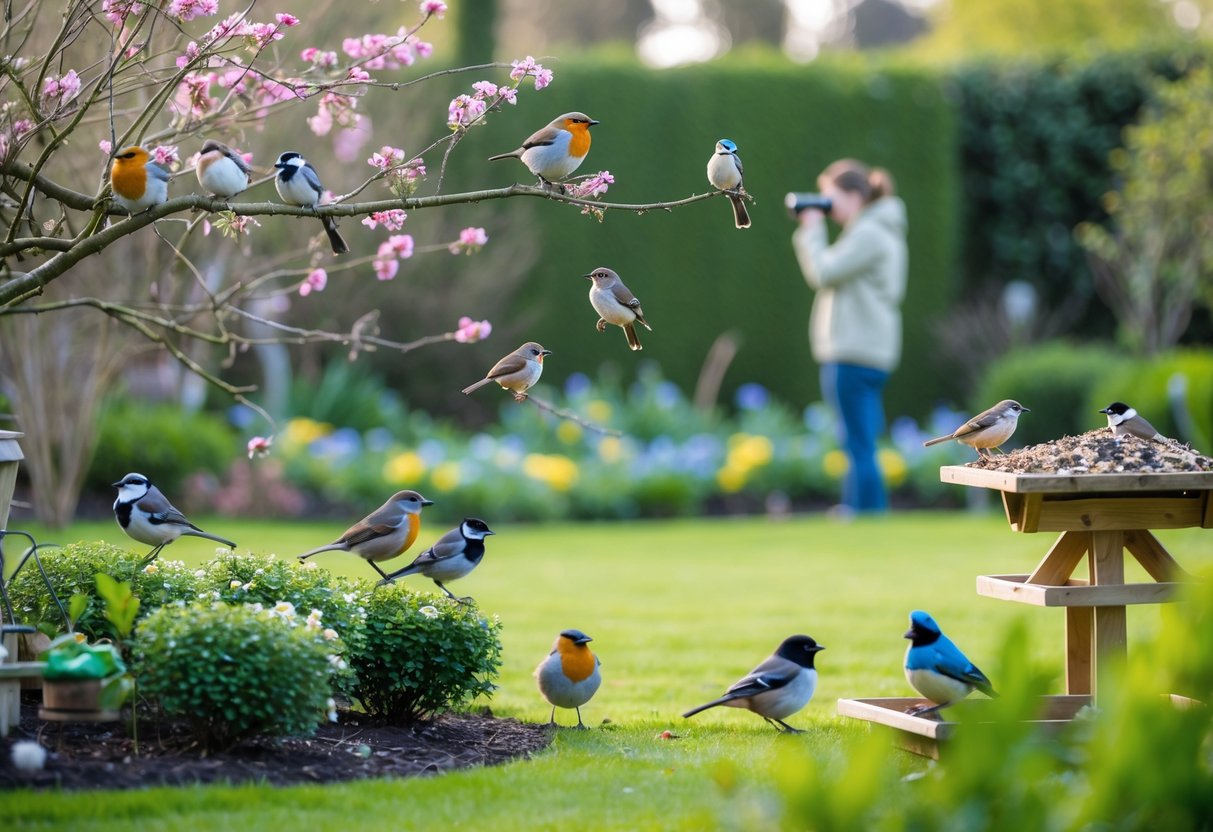
Big Garden Birdwatch 2025 runs for three days, so you can join in whenever works best for you. If you’ve got kids or work with schools, there’s a special schedule just for schools.
After you count your birds, you’ll need to send in your results so they become part of the national survey.
Official Birdwatch Weekend in 2025
The main event lands on Friday, January 24th to Sunday, January 26th. All you need to do is spend one hour watching birds during that weekend.
You can watch from your garden, a balcony, or even your local park—no fancy setup needed.
While you’re watching, count the birds and jot down the highest number of each species you see at one time. That way, you don’t accidentally count the same bird twice.
Anyone can join, whether you’re new to birdwatching or you’ve done it before.
Big Schools’ Birdwatch Timetable
If you’re part of a school, the Big Schools’ Birdwatch usually happens in January too, but the exact dates might depend on your school or the RSPB.
This event gives kids a chance to learn outside and help track garden birds at the same time.
Schools sign up ahead of time and get free resource packs with bird ID guides and activity ideas. It makes it easy—and honestly, pretty fun—for kids to get involved and learn about local wildlife.
When to Submit Birdwatch Results
Once you finish your hour, go ahead and submit your results online or by post. For 2025, send them in soon after the weekend so they count in the survey.
After you register, you’ll get clear instructions on how and where to submit. It’s important to send your results, even if you saw just a few birds or none at all.
Every bit of data helps create a full picture of bird numbers across the UK.
For more info and to sign up, check out the official Big Garden Birdwatch 2025 page.
How to Take Part and What to Expect

Joining the RSPB Big Garden Birdwatch is easy. You just pick an hour and watch birds in your garden, on your balcony, or at your local park.
You don’t need any special gear or expert knowledge. The info you collect actually helps track bird numbers and their health across the UK.
Getting Ready for the Survey
Pick a quiet hour between January 23-25, 2026, when you won’t get interrupted. Register on the RSPB website around mid-December to get some handy tips before you start.
Grab a notebook or use the RSPB app to record your sightings.
Set up somewhere comfy near your window or outside in the garden. If you’ve got nest boxes, take a quick look for any activity.
Binoculars help you spot birds like house sparrows, woodpigeons, or starlings, but honestly, they’re not essential.
Birdwatching Tips and Popular Species
When you start, focus on counting the highest number of each bird species you see at once. For example, if you spot ten blackbirds together, write down ten—not a running total if they come and go.
Keep an eye out for common garden birds like house sparrows, blue tits, woodpigeons, blackbirds, and starlings. These are important because the survey tracks how their numbers change in UK gardens.
Try to stay quiet and move slowly so you don’t scare the birds away. Keeping a checklist or using the RSPB app makes tracking what you see much easier.
Understanding Birdwatch Results
After the Birdwatch, the RSPB takes all the data and tracks the UK breeding population as well as the health of garden wildlife.
The results actually reveal which birds are doing well and which ones need a bit more support.
House sparrows usually come out on top. Blue tits and woodpigeons often follow close behind.
Even if you spot fewer birds—or none at all—your data still matters. That information can highlight places where birds might be having a tough time.
You can check out the birdwatch results online and see how your garden stacks up against others across the UK.
It’s an easy way to notice changes in garden bird numbers each year and maybe get inspired to help local wildlife.
Want to know more? Visit the Big Garden Birdwatch page.


