
When a bird tilts its head at you, it’s usually showing curiosity and really paying attention. That little head tilt lets your feathered buddy get a better look or listen in closer, so you know they’re interested in what you’re up to.
It’s their way of exploring and trying to figure out what’s going on around them. You might catch your bird tilting its head sideways just to watch you.
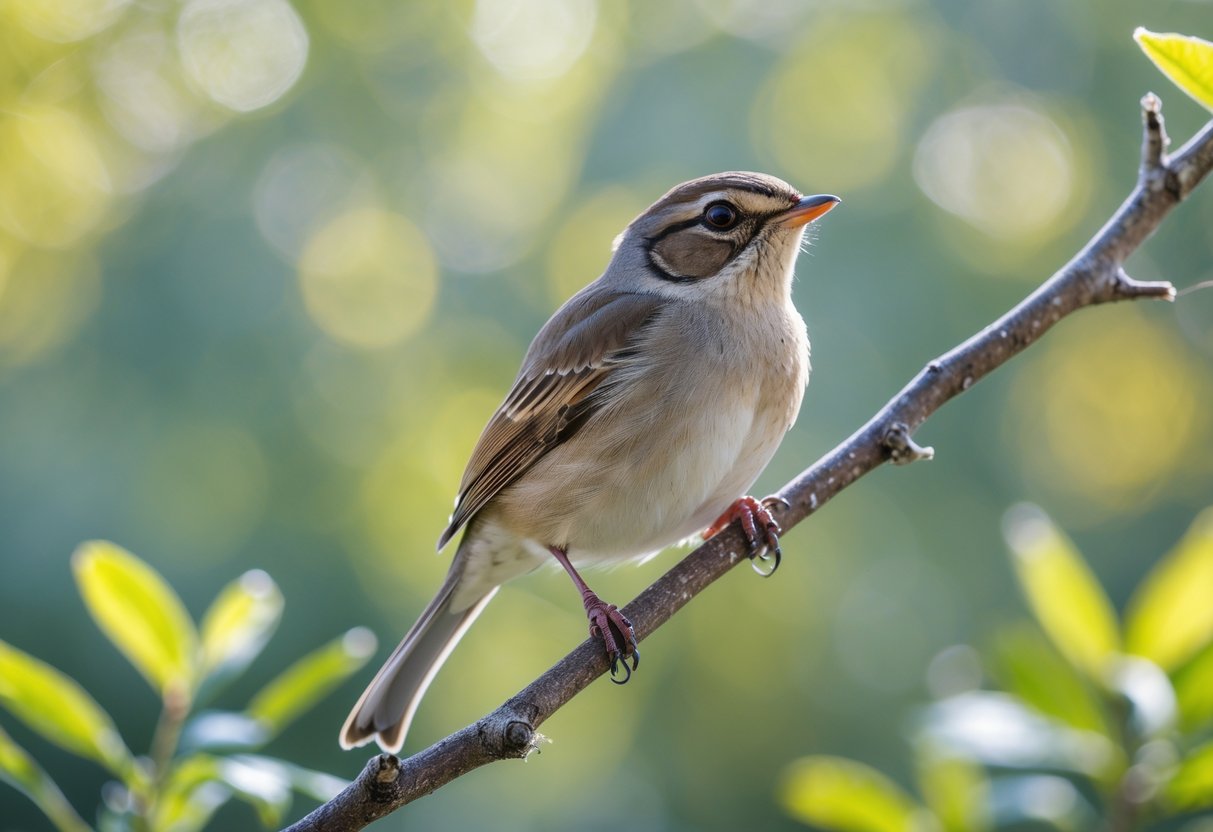
Sometimes, this gesture means your bird feels comfortable and wants to connect or communicate. Other times, it’s just their way of checking things out—kind of like when you turn your head to see something more clearly.
If you understand why birds tilt their heads, you’ll have a better time interacting with them. Spotting this behavior gives you a chance to notice your bird’s personality and how it reacts to you.
For more details, here’s a deeper dive into why birds tilt their heads at you.
Interpreting Bird Head Tilting Behavior

When a bird tilts its head at you, it’s often trying to figure out what’s happening or get a better sense of things. The bird relies on its sharp senses to zero in on sights or sounds.
Sometimes, this move also sends a social signal or shows a feeling.
Curiosity and Visual Exploration
Your bird probably tilts its head because it’s curious. Tilting helps it see you or objects from different angles.
Birds have eyes on the sides of their heads, so shifting their head lets them use one eye or both, making it easier to judge distances. This trick helps your bird spot details and get a better sense of its surroundings.
Predators like hawks and owls do the same thing to find prey. So when your bird does it, it’s just using its sharp vision to learn more about you or the world.
Listening and Sound Localization
Birds tilt their heads to listen more closely. They don’t have big external ears like we do, but by moving their head, they can figure out where a sound comes from.
This helps your bird catch important noises—maybe a warning or just your voice. It’s a pretty useful skill for staying safe and social.
Head tilting lets them fine-tune their hearing and stay alert.
Communication and Social Signals
Sometimes, your bird tilts its head just to talk to you or another bird—well, in its own way. A gentle tilt might mean curiosity or friendliness.
If your bird looks right at you while tilting, it could be showing trust or attention. Birds use this gesture to express feelings without making a sound.
In groups, it might mean they want to interact or that they’re being a bit submissive. Watching for these little tilts can help you understand your bird’s mood and connect better.
Health Considerations and When to Worry

A bird tilting its head can mean all sorts of things. Sometimes, it’s just curiosity or a better look.
Other times, it might signal a health issue you shouldn’t ignore. Noticing the difference helps you keep your cockatiel or other pet birds safe and healthy.
Normal Versus Abnormal Head Tilting
Most of the time, birds tilt their heads to see or hear better. If your cockatiel does this briefly while watching you, it’s probably just being nosy or focusing.
But if you see your bird tilting its head all the time and struggling to hold it straight, that’s not normal. Signs like wobbling, falling, or losing balance mean something’s wrong.
If your bird seems disoriented or can’t stop tilting its head, you should take it seriously.
Common Medical Causes in Pet Birds
When head tilting doesn’t stop, it can come from health problems. Inner ear infections mess with balance and make birds uncomfortable.
Viral infections like West Nile virus can also affect the nervous system. Heavy metal poisoning from things like old paint or metal cages causes serious neurological issues, including head tilt.
Sometimes, birds lack important nutrients like vitamin A or calcium, which can also lead to problems. And if your bird takes a tumble or hits its head, sudden head tilting and loss of coordination might follow.
How to Respond as a Bird Owner
If your cockatiel or any pet bird starts tilting its head all the time, call an avian vet right away. Neurological damage can set in fast, and you really don’t want to wait.
Watch for other problems, like if your bird can’t perch steadily, droops a wing, or suddenly struggles to fly. Keep your bird as calm as possible, and move it to a quiet, safe spot.
Skip the home remedies. Don’t just hope the symptoms will go away.
A vet can run tests and start treatment, which gives your bird the best shot at staying healthy and mobile.
Curious about more warning signs or what treatment involves? Take a look at bird head tilting neurological issue.


