
Ever wondered what to call a creature that’s half human and half bird? You’re definitely not the only one. People have told stories about these beings for ages, across all sorts of cultures. Most folks call a half human, half bird creature a harpy—a figure from Greek and Roman mythology who has a bird’s body and a woman’s face.

But harpies aren’t the only ones. You might hear about sirens, or other bird-human mixes, depending on where you look. Digging into these creatures opens up a world of legends and symbols that, honestly, still spark our imagination.
What Do You Call a Half Human Half Bird?

When you picture a part-human, part-bird creature, you probably imagine something with wings, feathers, and maybe even a few magical powers. These hybrids pop up in legends everywhere, each one with its own quirks.
Definition and Key Features
A half human, half bird creature blends human and bird traits. Usually, you’ll see a human face or torso, and the rest looks very much like a bird—think wings, feathers, maybe even a beak.
These beings often have supernatural powers like flying or shape-shifting. Some bring messages or omens, making them pretty special in folk stories.
Wings aren’t just for looks—they often stand for freedom or a link to the spirit world.
A lot of these creatures have beautiful voices or other magical abilities that make them stand out from regular people or birds.
Famous Names and Variations
Some classic creatures fit this bill. The Harpy from Greek mythology? She’s a winged woman who can fly at wild speeds.
There’s also the Sirin from Russian stories—a bird’s body, a woman’s head, and a song that can totally enchant you.
The Kalaviṅka pops up in Buddhist and Hindu tales, famous for a gorgeous singing voice. In Japanese lore, the Tengu are bird-like people with crazy strength and shape-shifting powers.
Cultures all over have their own spin on these hybrids. Sometimes they’re protectors, sometimes messengers, and sometimes just plain tricky.
Physical Traits and Abilities
You’ll usually spot a mix of human and bird parts. Human faces, wings, feathers, sometimes bird legs or sharp talons—there’s a lot of variety.
Wings let them fly, slip between worlds, or just get away fast. Feathers might glow or change color, and often mean something magical.
Most of these creatures have superhuman speed, can shift shapes, or sing in a way that’s almost spell-like. The Sirin’s song, for example, can make people forget their worries. Tengu? They’re famous for martial arts and magical tricks.
These features usually show how they connect our world to the spirit one.
Mythical Examples of Half Human Half Bird Creatures
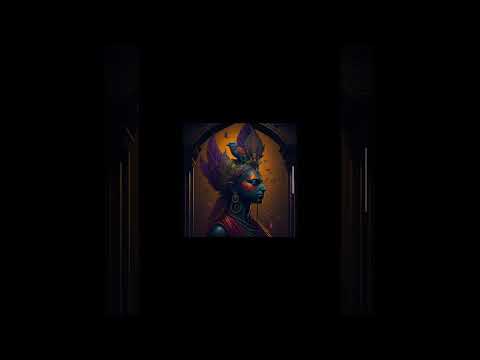
You’ll find all kinds of half human, half bird creatures in myths. Some are magical and friendly, while others? Not so much.
Cultures mix bird features like wings or claws with human shapes or faces to create these beings.
Harpies in Greek Mythology
Greek and Roman myths gave us harpies. Artists usually draw them as winged women with sharp claws.
Stories say harpies snatch things or people and fly away. The gods sent them to punish or just stir up trouble.
They look fierce—angry human faces and huge bird wings. You’ll spot them in old myths as storm-makers or as monsters who chase heroes.
Harpies even show up in fantasy books and video games, still fierce and winged.
Sirens and Their Songs
Sirens are another famous example from Greek stories. They’re more about temptation than terror.
Sirens have a bird’s body with a woman’s head and chest. Their key trait? That voice.
Sirens sing so beautifully that sailors can’t resist, and ships often end up wrecked on rocks. It’s a classic story about beauty hiding danger.
You’ll find sirens in all sorts of sea tales. Their mix of bird and human traits feels both magical and a little bit scary.
Sirin and Slavic Folklore
The Sirin is a bird-woman from Russian folklore. She’s got a woman’s upper half and a bird’s lower body.
Unlike sirens, Sirins aren’t always out to harm. People see them as symbols of beauty or inspiration.
In stories, Sirins sing sweet songs that bring happiness—or sometimes, a warning. Hearing a Sirin might lead to joy or, if you’re unlucky, trouble.
You’ll spot Sirins in poems and art, often showing the link between earth and sky. Their image feels softer than harpies, but there’s still a mysterious edge.
Kalaviṅka and the Role of Voice
Kalaviṅka pops up in Buddhist, Hindu, and Chinese mythology. This odd creature sports a human head and a bird’s body, and people know it for its gorgeous singing voice.
Most half-human, half-bird creatures get a bad rap, but the Kalaviṅka’s song? It’s all about positivity. It stands for enlightenment and carries a spiritual message. Folks say its voice sounds even lovelier than any bird you’ll ever hear.
You’ll spot Kalaviṅka in religious art or old stories, where it radiates peace and wisdom. It really makes you think—maybe these hybrid beings aren’t always about fear or danger. Sometimes, they’re symbols of hope and guidance.
If you’re curious about how these creatures mix bird and human traits, just dive into the old stories and colorful myths people have shared for ages. For a deeper look, check out this page on half human half bird characters.


