
When you pick up Robert Frost’s poem “The Oven Bird,” you might find yourself asking—what exactly does this bird stand for? The oven bird stands in for the poet or artist, someone wrestling with tough truths about life, aging, and change.
Unlike most birds that sing about beauty or fresh beginnings, this one’s song quietly observes time passing and things fading away around us.
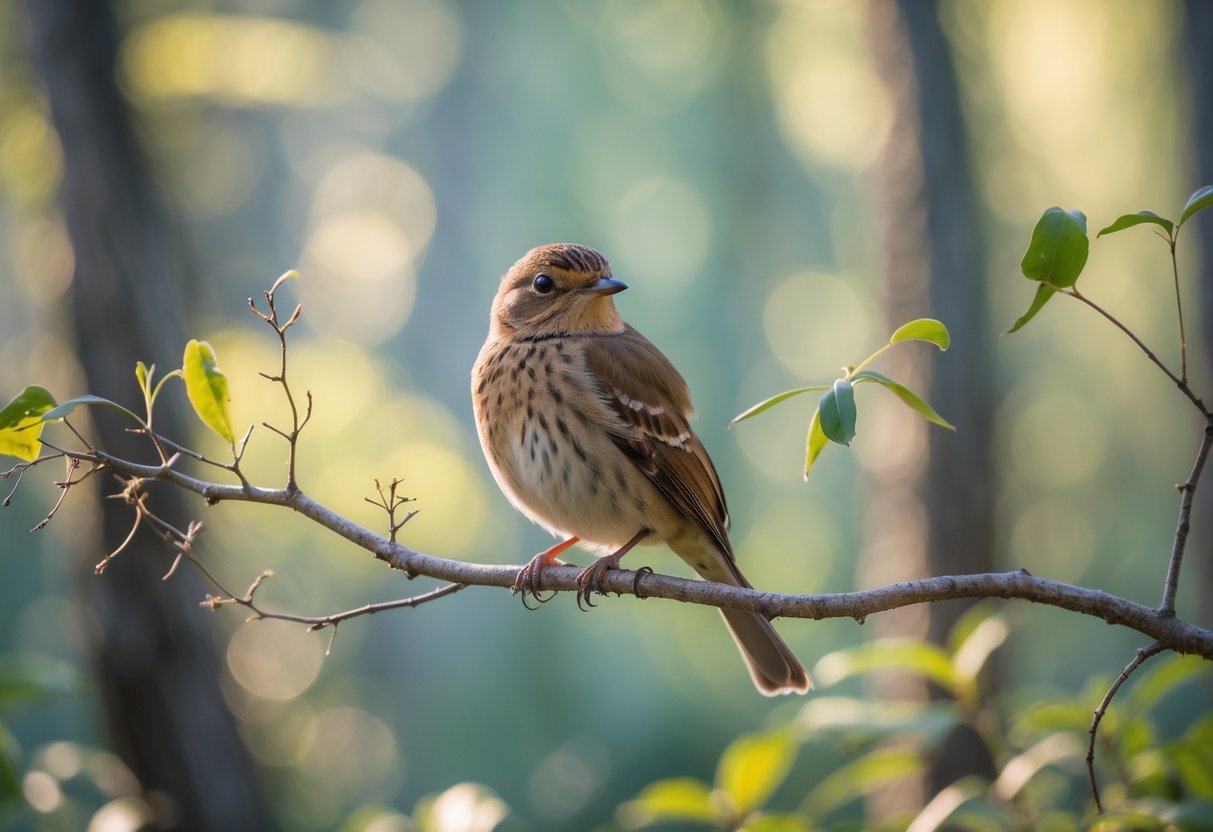
Frost wrote this in 1916, and included it in his collection Mountain Interval. He uses the oven bird to dig into how time transforms both nature and us.
The bird’s call lands in mid-summer, when spring’s spark has already gone. That focus nudges you to consider how to find meaning even when things aren’t quite as bright as they used to be.
Symbolism of the Bird in The Oven Bird

This bird in Frost’s poem isn’t just any creature from the woods. It signals the passing of time and the way seasons keep rolling on.
The bird’s song nudges you to think about your own life and what you actually know. There’s meaning tucked into its call—change, loss, and a swirl of human feelings.
The Oven Bird as a Metaphor for the Passage of Time
The oven bird’s song keeps time moving forward. When Frost writes “He says” over and over, it’s like time itself repeating—steady, a little weary.
The bird sings right in the middle of summer, when the year is already sliding past its peak.
That sound? It’s a reminder that life doesn’t stay new forever. Instead, everything edges toward aging, just like summer drifts into autumn.
The bird’s voice feels like a gentle, nagging question: what do you do when things aren’t as lively as before?
Time isn’t just a ticking clock here. It’s this unstoppable flow, mirrored in the bird’s steady, almost resigned call.
Seasonal Change and the Cyclical Nature of Life
Frost uses the bird to show how life keeps looping, just like the seasons. Summer’s energy fades, and you can sense that shift in your own life.
This bird sings when the forest’s buzz starts to quiet. The cycle of seasons stands in for growth, change, decay, and eventually, renewal.
The oven bird’s song marks this ongoing rhythm. It pulls you into the same beat as the natural world.
Focusing on these cycles, the poem gets you thinking about how endings can lead to new beginnings, even if it’s not always obvious.
Reflections on Human Existence and Knowledge
The oven bird’s call nudges you to think about life and what you know (or don’t). People sometimes call it the “teacher bird” because its song seems to teach something.
But honestly, the lesson isn’t exactly cheerful. It’s a serious message about your place in the world.
You’re reminded that life rarely hands out easy answers. The bird’s persistent song mirrors those repetitive thoughts and doubts you might have about what your own life means.
There’s a quiet sadness here—things fade, things change, and you have to figure out how to keep going when things aren’t as bright.
The bird’s voice ties the natural cycle to your own struggle to understand time, loss, and where you fit in all of it.
If you’re curious for more, check out this analysis of The Oven Bird by Robert Frost.
Literary Techniques and Interpretation

In The Oven Bird, Frost leans on specific techniques to show what the bird means. Nature images set the mood, and sound patterns give the poem a kind of quiet momentum.
The poem’s message comes through in how these pieces fit together, not just what they say.
Imagery and Nature Imagery in The Oven Bird
You’ll spot nature imagery everywhere in this poem. Frost brings up the “forest’s ferny floor,” “petal-fall,” and “highway dust.”
These details paint the changing seasons and hint at time slipping by.
He compares the oven bird’s song to the “heat of the sultry summer,” which brings a heavy, almost sad feeling. That links the bird to both nature and human emotions about loss.
The focus on forests and trees keeps the bird’s message grounded in the everyday world you recognize.
Nature imagery here connects the song with life’s cycles and the changes you notice all around you.
Poetic Devices: Alliteration, Rhyme, and Meter
Frost’s choices in form and sound really matter here. He writes in blank verse—unrhymed iambic pentameter—which feels a lot like regular speech, but with a steady beat underneath.
You’ll catch alliteration, like in “the highway dust” or “forest’s ferny floor.” That musical touch pulls your ear to important phrases.
Enjambment, where lines spill into each other with no pause, helps ideas flow together. The poem doesn’t have a strict rhyme scheme, but its five six-line stanzas give it a sense of balance.
Repetition, especially the phrase “He says,” makes the bird’s song feel constant, maybe even a little urgent.
The Message: Meaning and the Diminished Thing
At its core, the bird really shows the struggle to find meaning in a world that’s always shifting and, honestly, sometimes fading away.
The poem brings up “a diminished thing.” It points to things that have become smaller or less than they used to be—like the end of summer, or maybe life itself.
The bird’s song reminds us of what’s gone, but it also calls us to accept change. It kind of nudges you to face life’s cycles, even when they feel sad or just plain uncertain.
Frost wrote this around 1916, when society and nature were both changing fast. That context adds a heavier feeling to his message.
You might notice the poem urging acceptance. It makes you pause and wonder what you’ll do when things refuse to stay the same.


