
So, what do Americans call a ladybird? Honestly, it’s pretty straightforward—they call it a ladybug.
In the United States, folks almost always use “ladybug” for the small, spotted beetle that the UK calls a ladybird.
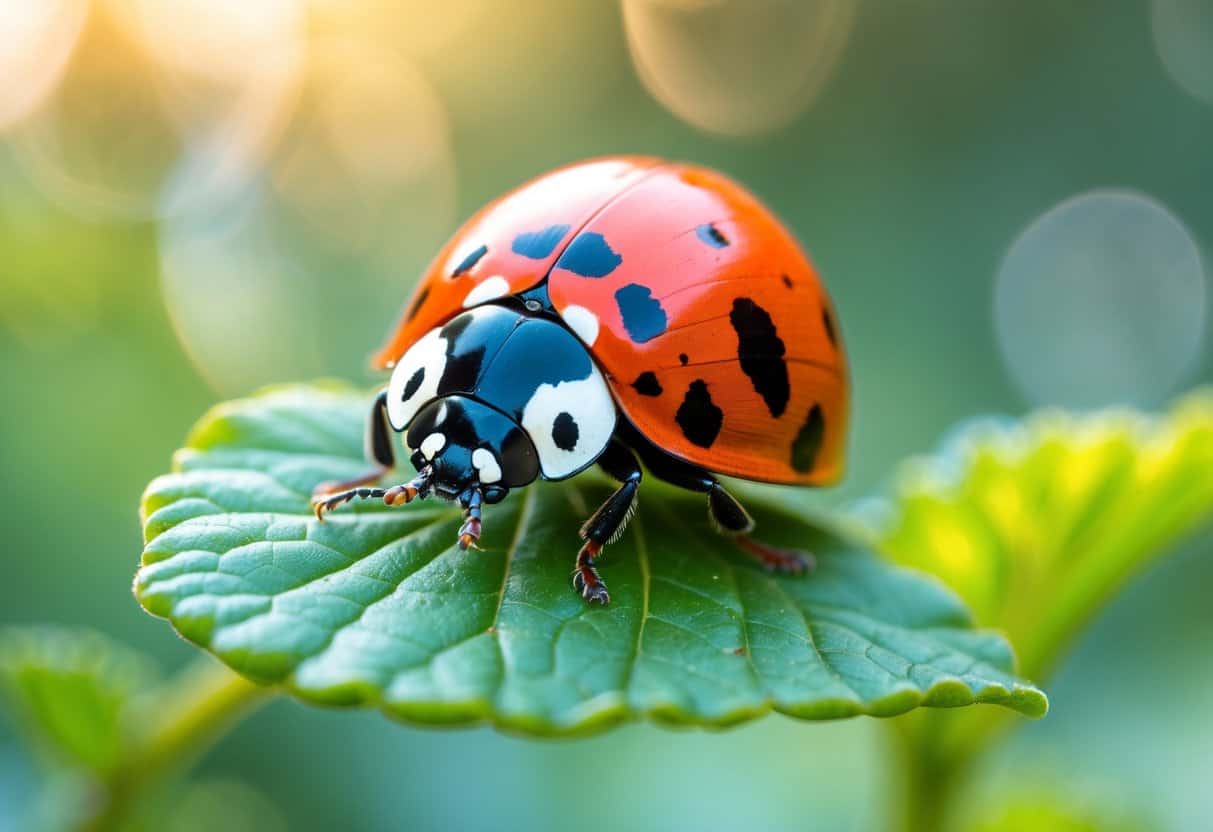
This difference comes down to British versus American English. Both words point to the same little insect in the family Coccinellidae.
“Ladybird” is the go-to word in the UK, while “ladybug” pops up almost everywhere in North America.
It’s worth knowing, just in case you ever end up chatting about these beetles and things get a bit confusing.
Something kind of cool—the name “ladybug” connects to old traditions about the Virgin Mary, or “Our Lady,” who artists used to paint in red robes.
It’s funny how language and culture twist together, even in the simplest everyday words.
If you’re curious about why Americans use “ladybug,” there’s a deeper dive you can check out.
What Americans Call a Lady Bird
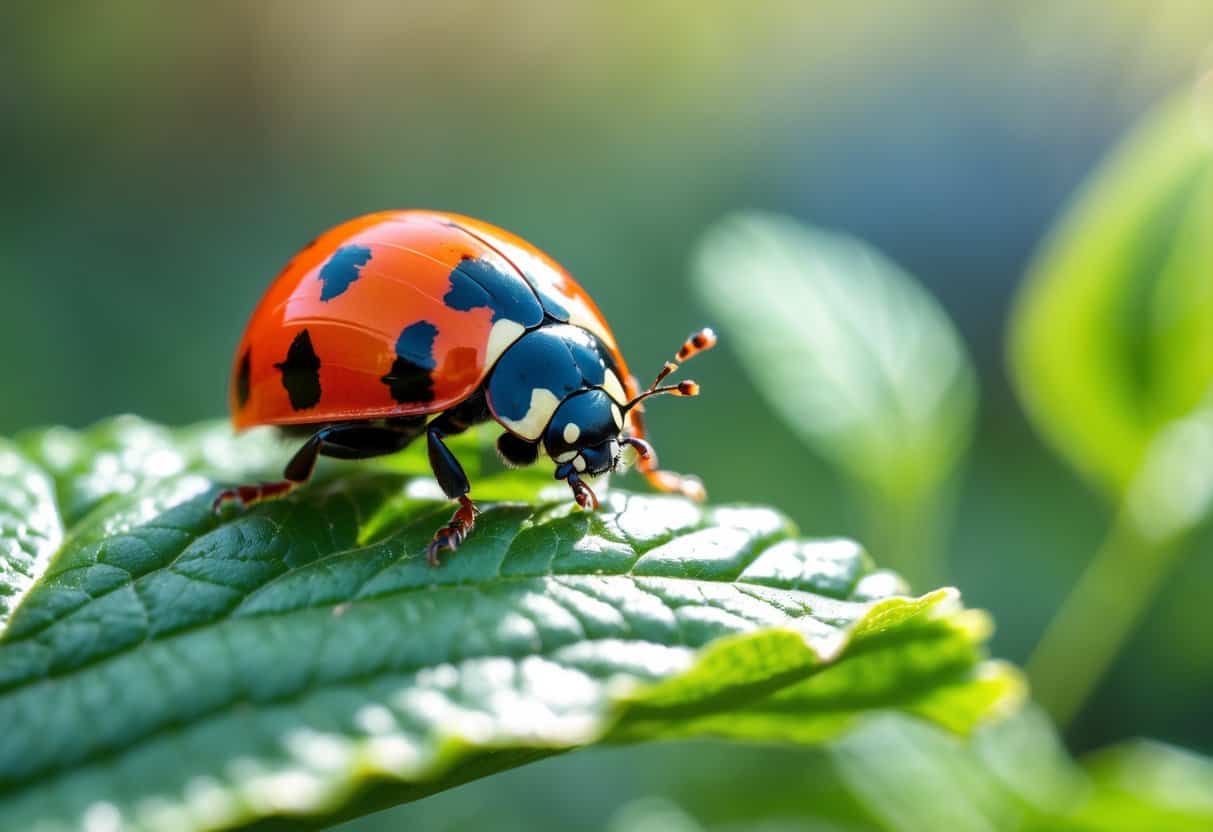
In the US, people talk about the small, round beetle with red and black spots a bit differently than in other English-speaking places.
The words folks choose really depend on where they live and what they grew up hearing.
Common Name in American English
Most Americans just call this insect a “ladybug.” That’s the word you’ll hear from kids, adults, teachers—pretty much everyone.
If someone says “ladybird,” they’re probably from somewhere outside the US, maybe the UK.
So, just remember, “ladybug” is the American version.
Differences Between “Ladybird” and “Ladybug”
Both “ladybird” and “ladybug” mean the same thing, but they belong to different versions of English.
“Ladybird” sounds British, while “ladybug” is definitely American.
The names come from old phrases like “Our Lady’s bird,” which link back to the Virgin Mary.
Even though the names mention birds and bugs, this little insect is actually a beetle.
The real difference is all about language and culture—not the beetle itself.
Lady Beetle as an Alternative Name
Sometimes, you’ll hear someone say “lady beetle.” That’s the term scientists and nature lovers prefer when they want to be precise.
“Lady beetle” shows up a lot in nature guides or formal writing in the US.
It’s a reminder that this insect belongs to the beetle family, Coccinellidae.
If you want to sound a bit more knowledgeable, go with “lady beetle.”
If you’re interested in more details, here’s a page about Ladybird vs. Ladybug: Understanding the Name, Usage, and Biology.
Regional and International Ladybird Names
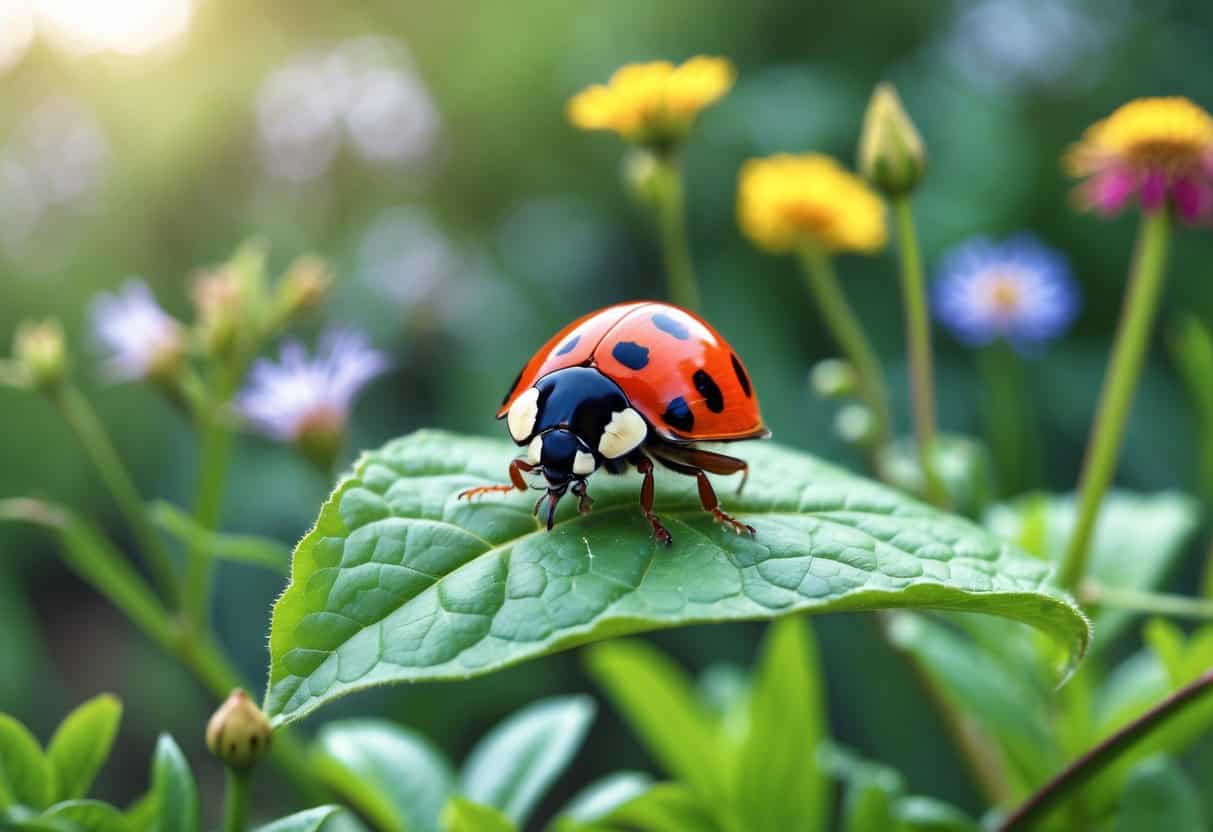
You might notice that what Americans call a “ladybug” goes by different names in other places.
These names change with region and language, and they say a lot about history and tradition.
Names Used in the United Kingdom
In the UK, people almost always say ladybird instead of ladybug.
This word dates back to the Middle Ages and connects to “Our Lady,” or the Virgin Mary, probably because the beetle’s red color reminded folks of her cloak.
British English sticks with ladybird, even though it’s not a bird at all.
You’ll sometimes hear “lady beetle” in science or formal settings, but ladybird is what most Brits use every day.
The name has stuck around for centuries, and you’ll spot it in British books and nursery rhymes.
Other English-Speaking Countries
Other English-speaking countries have their own habits, too.
- In Canada and most of the Americas, people say ladybug.
- In places like Australia and New Zealand, ladybird is the usual word, following British tradition.
- Some folks use lady beetle if they want to sound scientific, especially when talking about the beetle family Coccinellidae.
Depending on where you are, you might run into odd names like “lady cow” or “lady fly,” but honestly, those are rare these days.
Origin of the Term ‘Ladybug’
The word “ladybug” actually started out in Britain.
It comes from “Our Lady’s bird”, tying the insect to the Virgin Mary, who artists often painted in red.
American English added the “bug” part to make it clear that this little creature isn’t a bird.
Entomologists prefer “lady beetle” because ladybugs aren’t true bugs—they’re beetles.
That’s how the name picked up religious meaning and changed a bit as it crossed the Atlantic.
Why Ladybird and Ladybug Names Differ Globally
Why do people call these little beetles by different names? Honestly, it mostly comes down to regional language preferences and cultural traditions.
In the UK, folks stuck with ladybird because it’s the original term. It just fits how British English tends to sound.
Meanwhile, Americans switched to ladybug. Maybe they wanted to describe the insect more directly, or maybe they just wanted to make it clear it’s not a bird.
Scientists everywhere actually prefer lady beetle. Makes sense, right? After all, ladybirds aren’t birds, and ladybugs aren’t really bugs.
It’s kind of fascinating how simple names change with culture and science. The word you use probably depends on where you live—or maybe just who you’re chatting with.
If you’re curious about the details, check out which countries call ladybugs ladybirds.


