
Ever get the feeling a bird’s staring right at you? It’s not just in your head. Birds have sharp eyesight and often notice when you’re looking their way.
Birds see you and can tell where your eyes and head are pointed. That helps them figure out if you’re paying attention to them.

This skill stands out in clever birds like crows, ravens, and parrots. They pick up on your gaze and movements to decide if you’re safe or not.
Once you realize birds notice your attention, watching them feels different. You might spot how they react when you lock eyes—or why they suddenly bolt or just sit and watch you back.
If you’re curious, here’s a deeper dive into how birds spot humans watching them.
How Birds See Humans and Their Surroundings
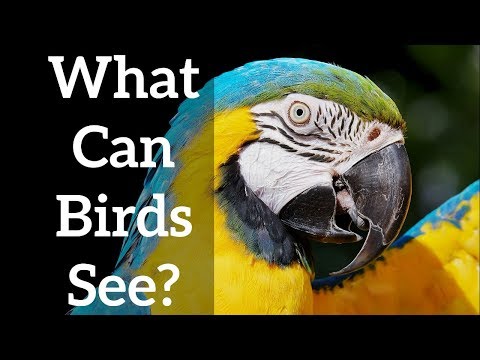
Birds see the world differently than you do. Their eyes pick up colors you can’t see and catch tiny movements quickly.
This ability keeps them safe and helps them find food.
Differences Between Bird and Human Vision
Birds see way more colors than people. They pick up ultraviolet light that’s invisible to us.
This helps them spot food and recognize other birds.
Their retinas have extra cone cells, so they see sharper images and more colors. Some birds have five types of color receptors, while people only have three.
Birds also have sharper vision than you’d expect. They can spot a tiny bug from far away.
That sharpness lets them keep a close watch on you, even if you think you’re at a safe distance.
Field of View and Awareness
Your eyes face forward, so your field of view is pretty limited. Birds’ eyes sit on the sides of their heads, giving them a super wide field of vision—sometimes almost 360 degrees.
A lot of birds can see around themselves without turning their heads. That wide view helps them spot danger, like you moving nearby.
They use binocular vision to judge distance when they need to.
Because of their eye placement, birds stay aware of what’s happening all around them. You might think they’re not paying attention, but their wide field of view says otherwise.
Can Birds Detect Human Movements?
Birds notice quick movements easily. Their eyes and brains work together to pick up fast changes.
If you walk or move suddenly, birds usually spot it right away. They might fly off or freeze to stay safe.
Even small movements, like reaching for something, can catch a bird’s eye. Birds really do keep tabs on what’s happening around them.
If you want to get closer, try moving slowly and smoothly. Birds pick up on fast motions right away.
If you want more details on bird vision and awareness, check out how birds see humans and their amazing eyesight.
Unique Aspects of Bird Vision

Birds see the world in ways you just can’t. Their eyes pick up colors and light outside your normal range.
Some birds handle low light well and hunt at night thanks to special adaptations.
Ultraviolet Light Perception
Birds see ultraviolet light, which you can’t. They spot markings on plants, animals, and even other birds that you’d totally miss.
Ultraviolet vision helps birds find food, pick mates, and dodge predators.
Some flowers reflect UV light, making them easier for birds to find. Birds use UV cues to spot insects, too.
That ability gives them a real edge in the wild—something humans just don’t have.
Tetrachromats and Enhanced Color Perception
Birds are tetrachromats, which means they’ve got four types of color receptors. Humans only have three.
Those extra receptors let birds see more shades and details. They can pick up colors in the ultraviolet range and see everything more vividly.
This helps them spot ripe fruit or healthy mates with bright feathers. Your color vision just doesn’t compare—birds experience a much richer world.
Vision in Nocturnal Birds Like Owls
Owls and other nocturnal birds have eyes that work wonders in low light. Their large eyes pull in way more light than ours ever could.
This lets them see much more clearly at night. You might notice that owls have tons of rod cells in their retina, which makes them excellent at spotting movement in the dark.
They don’t really see colors well at night, but honestly, their sharp vision is enough for hunting when most animals can’t see a thing.


