
Ever wonder if all birds actually learn to fly? Most birds figure it out with practice and a bit of help, but—believe it or not—some never take off. Sometimes, birds can’t fly because of injuries, disabilities, or just the way their species evolved. Flying isn’t something every bird just does by default.

Some birds are born with physical challenges or get injured before they can really try their wings. And then, there are species that just aren’t made for flying at all. When you look at these exceptions, you start to realize how surprisingly complicated bird life can be.
Why Some Birds Never Learn to Fly

Some birds never bother with flying because their bodies or their environment make it pointless—or even impossible. Over the years, these birds have changed their muscles, bones, and feathers to suit life on the ground or in water.
Flightless Bird Species and Evolution
A lot of flightless birds actually came from ancestors that could fly, but evolution had other plans. Ostriches, kiwis, and penguins, for example, don’t need to fly to escape danger or find food. Some of them live on islands with barely any predators, so flying just isn’t useful.
There are about 60 species of flightless birds out there. These birds use most of their energy for walking or swimming, not flying. Their bodies slowly adapt, generation after generation, to fit their new way of living.
Physical Adaptations Preventing Flight
Flightless birds develop body features that stop them from flying. Their wing bones—like the humerus and ulna—get smaller or change shape, making them useless for flying. Instead, their legs get stronger for running or swimming.
Their flight feathers lose stiffness and become softer. They don’t need the tiny hooks, called barbules, that normally keep feathers together during flight.
The muscles that would help them fly shrink away, and their wings become too small or weak to lift them up.
Flightless Birds in Modern and Ancient Times
Today, you’ll find flightless birds like ostriches, emus, and penguins. Penguins use their wings as flippers for swimming, not flying. The extinct Great Auk did something similar, “flying” underwater instead of in the air.
In the past, there were even bigger flightless birds—think moa or elephant birds. Most of them disappeared, mostly because of humans.
Scientists dig up fossils and study DNA to figure out how these birds lost their ability to fly. It’s fascinating to see how the environment shapes animals in such unexpected ways.
If you want more details, here’s a great article on flightless birds that dives into the science.
The Learning Process: How Birds Master Flight
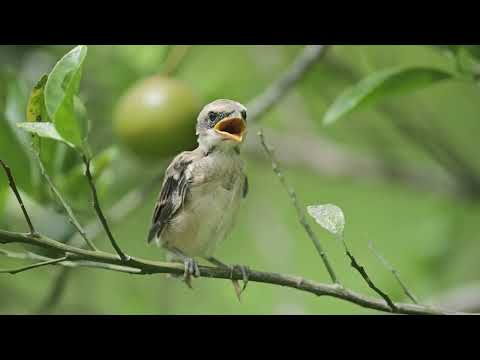
Learning to fly is a huge milestone for young birds. It takes effort, patience, and usually some encouragement from their parents. Wings, muscles, and lots of trial and error all come together before a bird really gets the hang of flying.
Stages of Flight Development in Young Birds
First, young birds grow their initial flight feathers. These feathers protect and get their wings ready for action.
At the start, they can barely flap and don’t get very far.
Next comes the “fledging” stage. This is when a bird leaves the nest but still needs its parents. The fledgling starts making short, awkward flights, practicing flapping and figuring out balance.
With more practice, the bird gains better control and can fly longer distances. Depending on the species, this learning phase can last anywhere from a few days to several weeks.
Role of Parental Guidance and Demonstration
Parents play a huge part when a bird tries flying for the first time. They’ll dangle food just out of reach, nudging the fledgling to flap and fly toward it.
Sometimes, parents even give their young a gentle push out of the nest. It’s tough love, but it works—fledglings need that push to develop real survival skills.
Bird parents also use calls to communicate. Those sounds help the fledgling stay focused and safe during all those wobbly practice flights.
Building Practice and Muscle Strength for Flying
Flying isn’t just about having wings. Birds need strong muscles, too.
Young birds build up their flight muscles by flapping more each day. That practice boosts both strength and stamina.
Without muscle power, a bird can’t get off the ground or stay in the air for long.
As they practice, fledglings also learn how to handle wind and land safely. These skills only come with lots of time spent outside the nest, making mistakes, and trying again.
Key Anatomy: Wings, Muscles, and Feathers
Wings do the flying, but honestly, they can’t do much without the right muscles and feathers. Primary and secondary feathers make lift possible and help with steering.
Birds rely on flight muscles, especially those packed around the breast, to power every wingbeat. As they fly more, these muscles get stronger.
Feathers have to be tough but still bendy. If a bird loses or damages its feathers, flying turns into a real struggle—or just doesn’t happen at all.
A bird’s body needs to develop just right for flight to work out. There’s really no shortcut here.
If you want to see how birds actually learn to fly, you’ll notice their bodies and instincts work together with a bit of practice and help from their parents. Watching it unfold is honestly kind of incredible.
For more details on this topic, visit how birds learn to fly here.


