
Picking out the best pet bird for your child isn’t always simple. You want a bird that’s friendly, easy to care for, and a good fit for your family’s daily routine.
Budgies, cockatiels, and lovebirds usually make the best pet birds for kids. They’re gentle, sociable, and don’t need complicated care. These birds can offer fun companionship without overwhelming you with noise or tricky maintenance.

When you’re picking birds for kids, you should really think about how much time you and your child can spend with the pet. Some birds, like finches or doves, prefer being watched instead of handled.
Others, like cockatiels, love interacting and even pick up a few words here and there. This makes it easier to find a bird that matches your child’s age, personality, and how responsible they are.
You want a pet bird that brings happiness and teaches your child about patience and care. It shouldn’t be a source of stress or frustration.
For more details on picking the right pet birds for kids, check out pet birds for kids.
Top Pet Birds for Children

When you’re choosing a bird, you need to look at how easy it is to care for, its personality, and how it gets along with kids. Some birds love social time, while others are quieter and don’t want much handling.
Knowing these differences helps you find a bird that actually fits your family.
Parakeets: Fun and Sociable Companions
Parakeets, or budgies, are small and full of life. They love being around people and can even learn to mimic a few words.
These birds come in all sorts of colors—green, blue, yellow—so they add a little brightness to your day. Budgies don’t need much complicated care.
They like flying in a safe space and want daily social time to stay happy. Since they’re small, cleaning their cages isn’t a huge job.
Budgies usually live about 7 to 15 years. If your child wants a playful bird that sometimes talks, parakeets are a great pick.
Cockatiels: Gentle Birds for Kids
Cockatiels are a bit bigger and known for being gentle. They can whistle tunes, pick up simple tricks, and really bond with kids who treat them kindly.
These birds have those cute yellow crests and orange cheek patches. Cockatiels need regular interaction but aren’t as loud as bigger parrots.
They live between 15 and 20 years, so you’re in it for the long haul. They like to spend time outside their cage, so expect a bit more cleaning up.
If your child is patient and wants to bond with a bird, cockatiels make excellent companions.
Budgies: Colorful and Friendly Choices
Budgies often get mixed up with parakeets, but they’re basically the same in size and behavior. People love them for their bright colors and friendly personalities.
Budgies handle family life pretty well and usually enjoy being included in activities. They can pick up sounds and sometimes even talk.
Caring for them is straightforward—fresh food, water, and a clean cage. Budgies are social, so don’t leave them alone for too long.
With a lifespan of up to 15 years, budgies work well for kids who are ready to care for a pet bird consistently.
Finches and Canaries: Low-Maintenance Birds
Finches and canaries are great if you’d rather have a quieter, low-maintenance bird. These little guys are more for watching than holding.
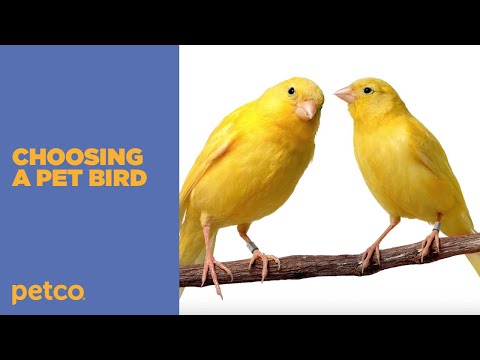
They do best in pairs since they like company but don’t need much hands-on time. Finches have cheerful chirps, and canaries can sing beautifully.
They live anywhere from 3 to 15 years, depending on the species. Their care is simple—just keep the cage clean and give them room to fly.
If your child likes animals but prefers watching over handling, finches or canaries are smart choices.
For more on safe and easy birds for kids, check out this guide on best pet birds for children.
How to Select the Right Bird for Your Child
You need to think about your child’s age, how much care the bird needs, and what kind of interaction the bird enjoys. Each of these things matters when you’re trying to find a pet bird that fits your family.
Age and Maturity of Your Child
Match the bird to your child’s age and maturity. Younger kids do better with birds that don’t need much handling, like finches or doves.
These birds mostly stay in their cages and don’t want direct contact. Older children who can be gentle and responsible are better suited for parrots, budgies, or cockatiels.
These birds like social interaction and can learn tricks or even talk, but they need careful handling to avoid stress or biting. If your child is young or new to pets, start with a low-maintenance bird.
As they grow and learn, you can think about birds that need more attention.
Daily Care Needs and Family Lifestyle
Different birds need different amounts of daily care. Birds like finches and doves are low-maintenance and mostly just need feeding, cage cleaning, and fresh water.
Others, like cockatiels or lovebirds, want more time outside the cage and enjoy playing with family. If your family stays busy, a bird with lower care needs might be a better fit.
Daily care means cleaning cages, giving fresh food and water, and offering things to keep the bird entertained. Be honest about how much time you can spend on this before you pick a bird.
Social Nature and Handling Requirements
Some pet birds just love attention. Parrots and budgies, for example, often form deep bonds with their people. They usually enjoy being held, petted, or just talked to.
On the other hand, birds like finches and doves tend to keep to themselves. They’d rather watch from a distance than be handled.
If your child wants a pet they can interact with, maybe look into cockatiels or lovebirds. Those birds are usually much more social.
Just a heads up—parrot-type birds might bite if they feel scared or if someone handles them the wrong way. It really helps to show your child how to approach birds gently, so everyone stays safe and builds trust.


