
Ever spot a bat gliding overhead at dusk and wonder if it’s just a bird with a quirky sleep schedule? You’re not alone—people mix them up all the time since both can fly. But honestly, bats and birds are worlds apart.
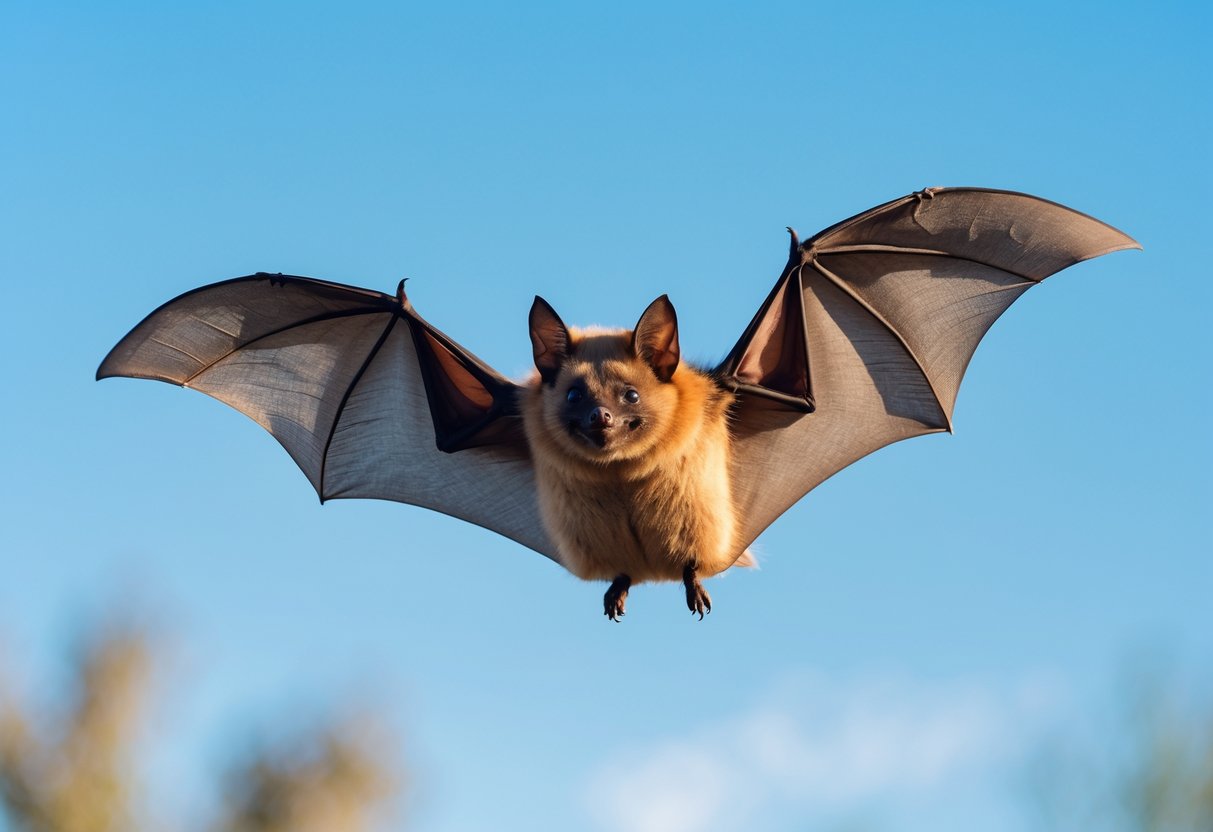
A bat isn’t a bird—it’s a mammal. That means bats have fur, they give birth to live babies, and they nurse their young with milk. Birds, though, have feathers and lay eggs. Once you know that, it’s easier to see where bats fit in the animal world and why they act so differently from birds.
Curious about what makes bats so unusual? You’re in the right spot. Let’s dig into how their wings work, why they don’t belong with birds, and what makes them stand out among mammals.
Is a Bat a Bird? Fundamental Differences

If you want to know why bats aren’t birds, just look at the basics. Mammals and birds differ in their body covering, how they reproduce, and their wings. You’ll also see why bats belong in the group Chiroptera, which really sets them apart from birds.
What Defines a Mammal Versus a Bird
Mammals like bats are warm-blooded, and they’ve got fur or hair. They give birth to live young and feed their babies milk. That’s something only mammals do.
Birds, part of the group Aves, are warm-blooded too, but they’re covered in feathers. They lay eggs, then sit on them until the chicks hatch. Birds have beaks and hollow bones, which help them fly.
The way they reproduce is a big deal: bats give birth to live babies and nurse them, while birds stick to laying eggs. This is a key reason why bats are mammals and not birds.
Key Traits That Distinguish Bats From Birds
Bat wings are kind of wild—they’re made of skin stretched over long fingers, which lets bats twist and turn in the air. Bird wings use feathers attached to fused bones, so their flight feels different—more rigid, more about flapping.
Bats have fur, sweat glands, and teeth. Birds don’t have sweat glands or teeth; they use their beaks instead. Bats also use echolocation to hunt in the dark, which birds just don’t do.
Inside, bats have a big, strong chest for flight muscles. Birds rely on a keel bone for muscle attachment, but bats don’t have that. Their lungs work differently too—birds have a unique system for constant airflow, while bats breathe more like other mammals.
Why Bats Are Classified in Chiroptera, Not Aves
Scientists put bats in Chiroptera, which means “hand wing.” It’s a group for mammals with live births, fur, and nursing.
Birds go under Aves, and they actually evolved from dinosaurs millions of years ago. Bats showed up much later, evolving from small mammals. That separate history is a big reason they’re not grouped together.
So, bats are flying mammals with skin wings and live births. Birds have feathered wings and lay eggs. Their spots in the animal kingdom make sense when you look at these big differences.
If you want to dive deeper, check out Bats vs. Birds – What’s the Difference? for more details about how their bodies and wings compare.
How Bats and Birds Compare in Nature

Bats and birds both matter a ton in nature. They’ve developed their own ways to fly and find food. You’ll spot differences in their wings, how they help plants, and how they control bugs.
Flight Adaptations and Wing Differences
Bat wings are basically thin skin stretched over long finger bones. That makes them super flexible. Thanks to this, bats can whip around corners and fly in tight places. Most bats prefer the night, so you’ll see them after dark.
Birds, like hummingbirds, have wings covered in feathers. Their wings are stiffer, built for strong, steady flight during the day. Birds have light bones, so staying up in the air is easier for them. While bats zip around at night, birds are usually out and about during the day, soaring or gliding for long stretches.
Here’s a quick comparison:
| Feature | Bats | Birds |
|---|---|---|
| Wing structure | Skin membrane over fingers | Feathers over arm and hand bones |
| Flight style | Agile, quick turns | Gliding, soaring, fast flapping |
| Activity time | Mostly nocturnal | Mostly diurnal |
Ecological Roles: Pollinators, Seed Dispersers, and Pest Control
Bats do a lot more than just fly around. Fruit bats—sometimes called megabats, like the golden-crowned flying fox—pollinate flowers and spread seeds. They’re like nature’s night-shift gardeners.
Birds also pollinate and spread seeds, but they do it during the day. Plenty of birds eat insects, helping keep pests under control. Bats pull their weight here too, snatching up bugs at night. Both help keep gardens and crops healthy by cutting down on harmful insects.
Bats and birds boost biodiversity by supporting plants and keeping insect numbers in check.
Navigation and Senses: Echolocation and Vision
One of the coolest differences? It’s all about how bats and birds figure out where they’re going.
Bats use echolocation. They send out these high-pitched sounds that bounce off stuff around them. That’s how bats “see” in the dark—they actually hear what’s near them.
No wonder bats can zip around at night and hardly ever crash into anything.
Birds, on the other hand, depend mostly on their sharp vision. During the day, many birds spot food or predators from pretty far away.
Some birds even see ultraviolet light. That gives them an extra edge when they’re looking for flowers or sneaky prey.
Bats have external ears, unlike birds. Those ears help bats catch all those tiny sounds for echolocation.
This big difference in ears and senses? It really shows why bats and birds took such different evolutionary paths, even though both ended up flying.
If you’re curious for more, check out resources like Bat Conservation International for deeper bat and bird comparisons.


