
When a bird nods its head at you, it’s usually trying to say something or show interest. This little movement might mean your bird wants your attention, feels curious, or just wants to share a feeling—maybe happiness, maybe excitement. Birds use head nods to connect with you and their surroundings.
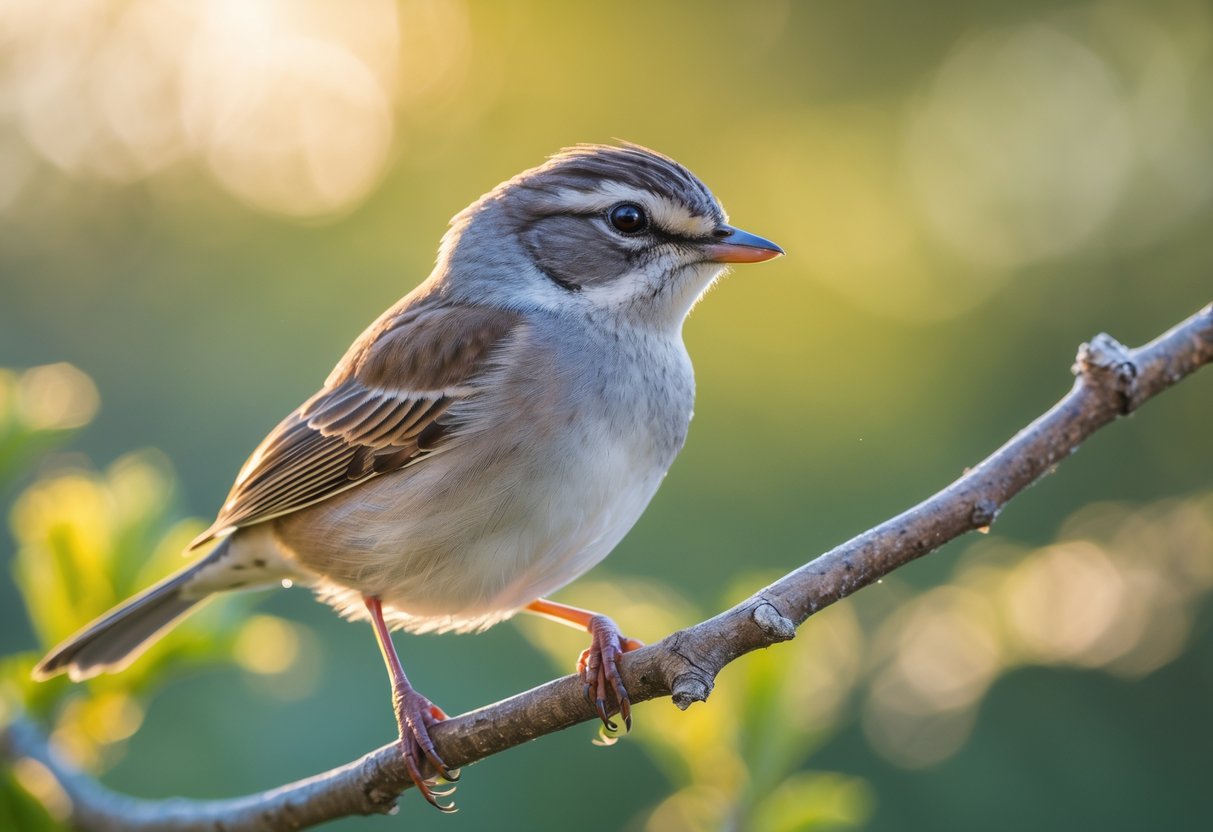
You might spot your bird nodding more when it’s excited or wants to engage. Sometimes, nodding is just how they explore or keep their balance.
If you’ve ever scratched your head over that little motion, you’re not alone. This guide should help you figure out what’s going on and maybe make your time with your bird a bit more fun.
Understanding Bird Head Nodding: Meanings and Communication

Birds send signals in all sorts of ways, and head nodding is just one of them. You might notice your bird nodding its head while also flicking its tail or flapping its wings.
These little actions work together, letting you in on what your bird feels or wants to say.
Different Types of Head Nodding Behaviors
Birds nod their heads for all kinds of reasons. Sometimes a quick nod just means they’re curious or paying attention.
Slow, repeated head bobbing usually shows excitement or eagerness, especially when it’s playtime or feeding time.
Some birds throw in head nods as part of their courtship display. You might spot this if your bird is trying to impress you or another bird.
Other times, they nod to balance or to get a better look at something interesting.
Common Emotions Expressed Through Head Bobbing
Your bird might nod its head when it feels happy or excited. Along with head bobbing, you could see tail wagging or wing flapping—usually a sign your bird’s in a good mood.
If your bird closes its eyes while nodding, it’s probably showing trust and relaxation. On the other hand, quick or sharp nods might mean your bird feels annoyed or just wants your attention.
Watching these signals together gives you a clearer idea of how your bird feels.
Context and Body Language Cues
Pay attention to what else your bird is doing besides nodding. For example:
- If your bird nods and flaps its wings, it might be asking for playtime or just trying to get your attention.
- Tail wagging with head bobbing? That usually means your bird feels happy or playful.
- Closed eyes and slow nodding often show your bird trusts you and feels safe.
Reading these cues together helps you connect with your bird in a more natural way. If you want more details, check out guides like this one on bird nodding meanings.
Species and Situational Variations in Head Nodding
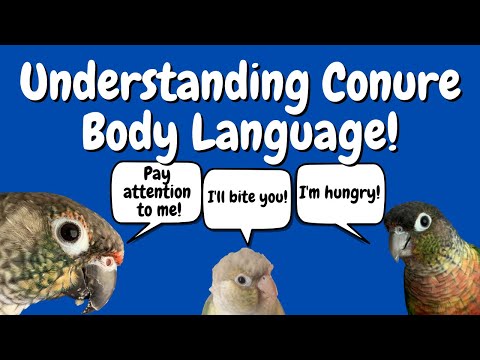
Birds nod their heads for all sorts of reasons, and it really depends on the species and situation. Sometimes it’s just playful, but other times it could be something more serious.
Noticing these differences helps you figure out what your bird is trying to say.
Cockatiel and Cockatiels: Head Nodding Explained
Cockatiels often nod their heads to show excitement or to get your attention. You might see those quick up and down nods when they’re happy, curious, or just eager to hang out.
During social play or when you’re getting their favorite treat ready, the nodding usually means they want to be involved.
Sometimes cockatiels nod as part of their courtship ritual or to signal friendliness to you or another bird. Their head movements tend to be gentle and rhythmic, not like the aggressive or stressed behaviors you might see in other species.
Watching your cockatiel’s body language along with the nodding gives you a better sense of their mood.
When Head Nodding Signals a Health Concern
Most of the time, head nodding is harmless. But if you notice repeated or stiff nodding, it could point to a health issue.
If your bird nods its head too much or in a jerky way, it might feel dizzy, stressed, or unwell. Look for other signs like changes in appetite, ruffled feathers, or trouble keeping balance.
These symptoms could mean your bird needs a check-up. Discomfort or pain might not be easy to spot unless you see a pattern or other changes.
If you’re not sure, just keep an eye on their behavior and environment to rule out illness or injury.
Role of Avian Veterinarians and Avian Medicine
Avian veterinarians focus on bird health. They can help you figure out if your pet’s head nodding is just a quirky habit or something to worry about.
They rely on their knowledge of avian medicine to spot issues like infections or neurological problems that might cause odd nodding. If you think your bird might be sick or the nodding just feels off, it’s probably time to visit an avian vet.
The vet will give your bird a close check and recommend treatments or simple changes at home. Regular visits to an avian vet make it easier to catch health problems early, so your bird can stay happy and lively.


