
When your bird’s happy to see you, it usually lets you know in pretty obvious ways. You’ll probably hear excited chirping, singing, or whistling, and sometimes your bird might even dance or stretch its wings. That’s a sure sign your feathered buddy feels safe and pumped up when you walk in.

You might catch your bird following you around, copying your sounds, or asking for a little scratch. These little things show trust and affection.
If you pay attention to these signals, you’ll get to know your bird better and build a stronger bond.
For more, check out signs your bird is happy to see you from iHeartBirds.
Key Signs Your Bird Is Happy To See You

You can spot your bird’s happiness when you walk in. They use noises, movements, and little gestures to show they like being with you.
If you pay attention, you’ll notice these signs and probably feel even closer to your bird.
Excited Vocalizations and Contact Calling
A happy bird often greets you with excited sounds. You might hear chirps, whistles, or soft little words.
Sometimes, birds use a special call called contact calling. They do this to check if you’re nearby and safe.
If your bird starts making these sounds right when you enter the room, that’s a big hint they’re glad to see you. These noises usually sound gentle and friendly, not harsh or upset.
Listening for these happy sounds helps you figure out your bird’s mood. It’s a good way to know if your bird feels comfortable.
Seeking Physical Closeness or Following You
A bird that likes you will want to be close. If your bird moves toward you, hops on your hand, or follows you, it’s showing trust.
Sometimes your bird might nuzzle you or preen your hair or shirt. That’s how birds show affection.
If your bird likes sitting on your shoulder or snuggling up, it feels safe around you. These actions really say your bird enjoys your company.
Positive Bird Body Language
Birds use their bodies to tell you how they feel. When your bird’s happy, you’ll see relaxed posture and smooth, slightly fluffed feathers.
Look for gentle wing or tail flapping, but not flying away. That often means excitement without stress.
Your bird might bow its head for a scratch or make eye contact. That’s trust, though staring too long can be awkward for them.
These body language cues help you know when your bird feels at ease.
Playful or Relaxed Behaviors
Playful birds are happy birds. You might see yours hanging upside down, tossing toys, or flapping wings while sticking close to you.
If your bird grinds its beak or fluffs up softly, it’s probably feeling content. These relaxed actions mean your bird feels safe.
Sometimes your bird might mouth your fingers gently. That’s often just play or a way to connect.
These playful or chill behaviors show your bird trusts you and likes being around.
For even more signs, check out 5 Signs Your Bird is Happy (and 5 Signs They’re Not).
Building Trust and Strengthening Your Bond
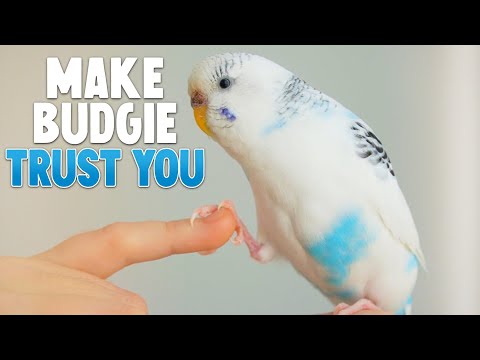
Building trust with your bird takes time and patience. As your bond grows, you’ll see changes in how your bird acts around you.
If you watch for certain behaviors, you’ll understand your bird better and probably take even better care of it.
Recognizing Signs Your Bird Trusts You
Trust shows up in small ways. Your bird might sit close or even snuggle on your shoulder.
If it preens itself near you, that means it feels safe—preening takes focus and calm.
Sometimes your bird will preen you. Birds usually do this only with close companions, so it’s a big deal.
Relaxed body language and soft eyes are other signs. If your bird follows you or flaps its wings to get your attention, it wants to play and hang out.
Understanding Allopreening and Parrot Mimic
Allopreening happens when birds groom each other’s feathers. When your bird tries to groom you, it sees you as family or a close friend.
That’s a sign your bird feels secure and connected.
Parrots love to mimic sounds and words they hear a lot. If your bird copies your voice or favorite phrases, it’s showing trust.
Mimicking is your bird’s way of joining in with your family. It also means your bird enjoys your company and wants to interact.
Promoting Wellbeing and Preventing Feather Plucking
If you want to stop feather plucking, focus on keeping your bird calm and happy. Stress and boredom often lead birds to damage their own feathers.
Give your bird a safe, quiet spot. Try to stick to a routine—birds seem to love knowing what’s coming next.
Bring out a variety of toys and let your bird play as much as possible. Spend time interacting, even if it’s just chatting quietly or sharing a treat.
When you talk gently or reward your bird for trusting you, you encourage better behavior. A secure bird is much less likely to pluck its feathers.
Looking after your bird’s mind and body really does build trust. That bond makes everything easier, for both of you.
Curious about building trust? Check out signs your bird trusts you and explore more tips on keeping birds happy and healthy.


