
Ever wondered what that weird, scary-looking bird is? The shoebill probably tops the list. This bird grabs your attention with its massive, clog-shaped beak and those piercing, unblinking eyes that honestly make you want to take a step back.
It’s not just the looks; the shoebill hunts like a boss, taking down prey way bigger than you’d expect.
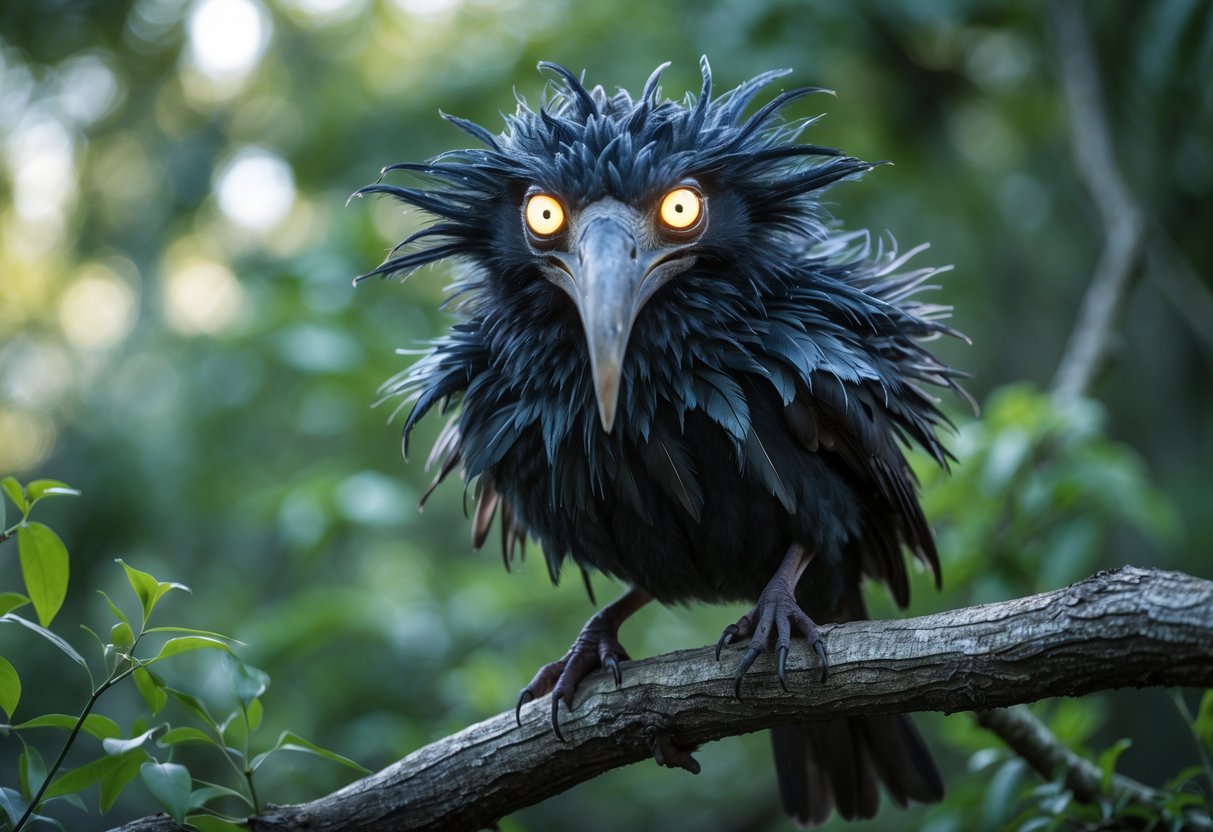
You might think finding a bird this intimidating would be tough, but the shoebill hangs out mostly in African swamps.
The way it hunts is wild—it stands stock-still for hours, waiting for the perfect moment to strike.
If you’re curious about what makes this bird so unique (and why you really wouldn’t want to get too close), stick around.
You’re about to dive into the world of a real-life dinosaur in bird form.
For more details on the shoebill’s freaky features, check out this article on scary birds.
Spotlight on the Shoebill: The Iconic Weird, Scary-Looking Bird

The shoebill really stands out with that huge, strange beak and calm, almost unsettling stare.
People find its look and hunting style fascinating, but there’s something a little spooky about it too.
Its long legs and giant wings let it thrive in East Africa’s swampy world.
What Makes the Shoebill So Intimidating?
That beak—yeah, it’s the first thing you notice.
It looks like a wooden shoe and is sharp enough to grab and kill fish, frogs, and even baby crocodiles.
The bird’s eyes are big and almost human, which just adds to the intensity.
The shoebill hunts in total silence, barely moving.
It stands frozen for ages, then suddenly snaps at its prey with that powerful beak.
Sometimes, it bangs its bill together, making this loud, machine-gun clatter that’s honestly kind of terrifying.
Physical Features and Unique Adaptations
Shoebills get up to about 5 feet tall, and their wings can stretch out to 8.5 feet.
They’re covered in gray feathers, with a feathery crown on their heads that gives them a bit of a prehistoric vibe.
Their legs are long and skinny, with huge feet that help them balance in swampy water.
The beak isn’t just big—it’s sharp and wide, perfect for catching slippery prey.
That sharp edge can slice through animals, and a pointed nail on top helps finish the job fast.
Weirdly enough, their legs often get coated in their own droppings, which helps keep them cool.
| Feature | Description |
|---|---|
| Height | About 5 feet (1.5 meters) |
| Wingspan | Up to 8.5 feet (2.6 meters) |
| Beak length | Around 9.5 inches (24 cm) |
| Color | Gray feathers with a feather crown |
| Unique trait | Bill clattering that sounds like a machine gun |
Habitat and Behavior
You’ll find shoebills in the freshwater swamps and wetlands of East Africa.
They like quiet, untouched places where they can hunt lungfish, catfish, and sometimes even lizards or young turtles.
Instead of flying around, the shoebill usually stands still, waiting for something tasty to swim by.
Most of the time, it’s a loner—except during nesting season, when pairs team up but still keep some space between them.
These birds can live up to 35 years, which is pretty impressive.
Sadly, they’re in trouble from habitat loss and hunting, and with only about 5,000 left in the wild, conservation is crucial.
If you want to dive deeper, check out the shoebill’s unique spot among scary bird species.
Other Fascinating and Frightening Bird Species

Some birds out there look downright bizarre and can even be a bit dangerous.
Whether it’s their size, their hunting skills, or wild camouflage, they’ve got features that make you do a double take.
Cassowary: The Dangerous Forest Giant
Cassowaries roam the rainforests of Australia and New Guinea, and they can reach about 6 feet tall.
With bright blue skin and a big, horn-like crest, they look like they belong in a different era.
Cassowaries are no joke—they’re powerful and can get aggressive.
They’ve got sharp claws on their feet that can cause serious harm if you get too close.
Since they’re territorial, it’s smart to give them plenty of space.
Even though they’re dangerous, cassowaries help their habitat by spreading seeds from all kinds of plants.
Harpy Eagle and Its Predatory Prowess
The harpy eagle rules the forests in Central and South America.
It’s a huge bird, with talons that could rival a bear’s claws.
Harpy eagles can weigh over 20 pounds, and they use their strong claws and sharp eyesight to hunt monkeys and sloths high up in the trees.
No wonder people call them fierce.
If you ever spot a harpy eagle, you’re seeing a bird that’s perfectly built to rule its territory with speed, power, and sharp senses.
Marabou Stork and Its Eerie Appearance
Marabou storks are among Africa’s tallest birds, standing up to 6 feet with a wingspan that can hit 10 feet.
Their bald heads, thick bills, and weird throat pouches definitely give them a spooky vibe.
These birds scavenge for food, eating carcasses and just about anything else they find—including garbage.
Because of their size and toughness, not much messes with them.
Marabou storks can act aggressive, but they’re important for cleaning up dead animals in the environment.
Great Potoo: Master of Camouflage
The great potoo hangs out in Central and South America. People know it best for its wild camouflage skills.
During the day, you’ll spot it sitting perfectly still on a tree branch. It looks so much like bark that you might walk right past it.
At night, those huge eyes and wide mouth come into play. The potoo hunts insects in the dark, and honestly, its call is just plain unsettling—it almost sounds like a person screaming.
Even though it might seem creepy when you hear or see one at night, the great potoo doesn’t bother people. It just wants to hide and stay out of trouble.
Curious about other birds with a spooky vibe? Check out scary bird species for more info on birds like the harpy eagle or the marabou stork.


