
If you’ve watched Pixar’s short film For the Birds, maybe you’ve wondered what it’s really about. The film’s theme revolves around acceptance and the damage bullying can cause.
It’s not just about birds on a wire—Pixar shows how being different isn’t a bad thing, and mistreating others usually brings trouble for everyone.
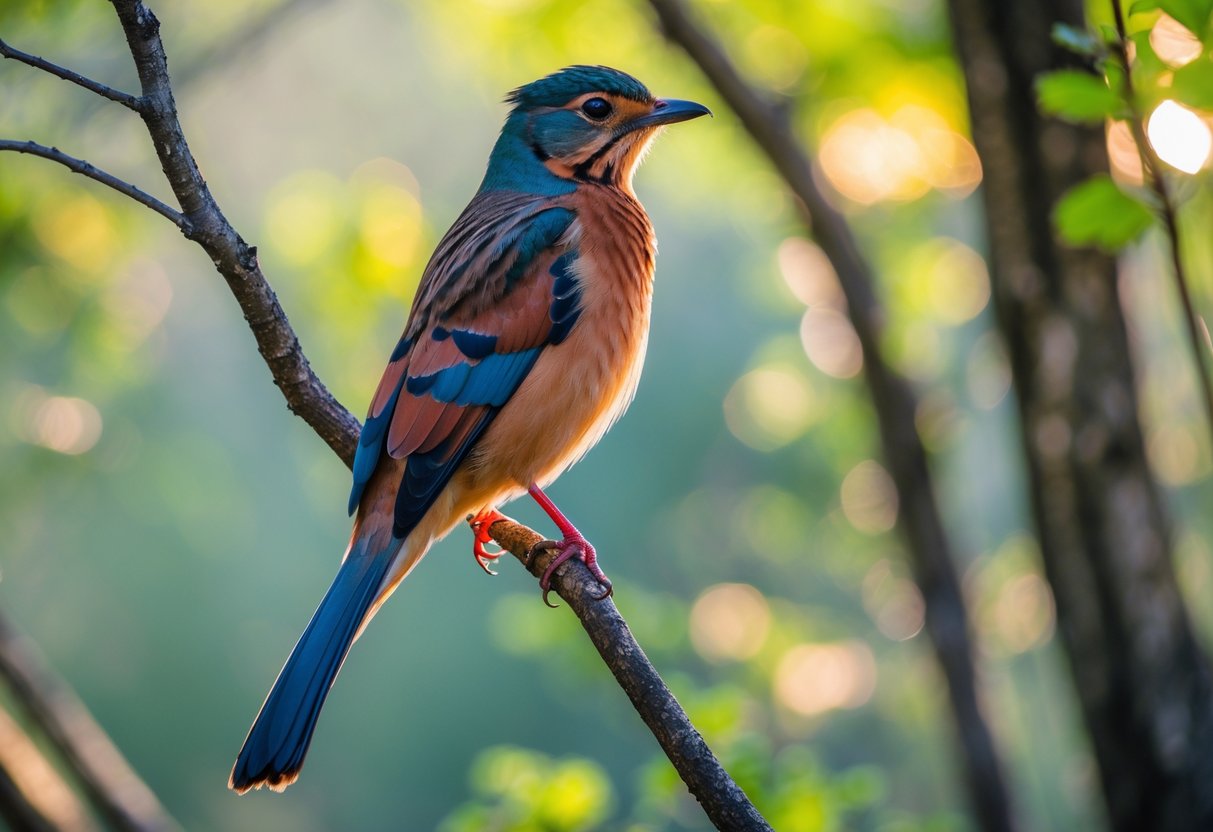
You see a bunch of tiny birds making fun of a bigger, rounder one just because he looks different. Their jokes and mean behavior quickly turn against them, driving home a pretty clear message about empathy and kindness.
This story nudges you to treat others with respect, no matter how they look or act. It’s a simple idea, but it sticks with you.
For the Birds uses humor and relatable moments to highlight these points. Accepting differences isn’t just a nice thing—it’s honestly kind of necessary.
No wonder the short film has touched so many people over the years. If you want to dig deeper, check out this explanation of the film’s message.
Core Themes in For the Birds
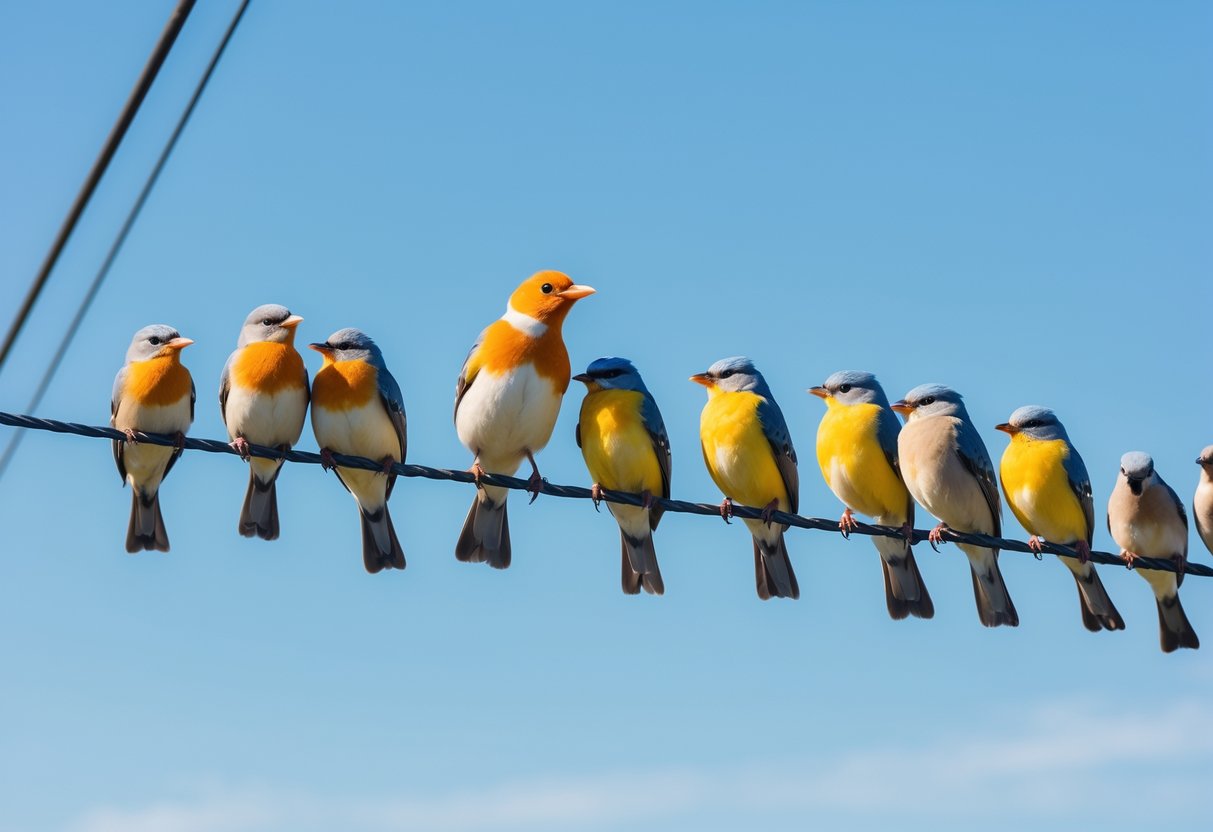
The story dives into how groups treat those who stand out. You watch what happens when a group excludes someone, and how bullying can ripple out to everyone.
Kindness, on the other hand, can totally change the vibe in a group.
Acceptance vs. Exclusion
In For the Birds, the small birds huddle together on a wire and instantly reject the bigger bird. They push him away just because he’s different.
You can probably relate if you’ve ever felt out of place or left out. The film makes it painfully clear—being different isn’t a good reason to exclude someone.
The big bird only wants to join in and belong. That tug-of-war between wanting acceptance and getting excluded is something a lot of people have felt.
Bullying and Its Consequences
The little birds tease and try to force the big guy off the wire. Their bullying goes too far and ends up snapping the wire.
You watch as their mean-spirited actions backfire. Bullying doesn’t just hurt the target; it comes around and messes things up for the bullies too.
The film warns you that bullying never ends well. It’s not harmless, and it usually brings trouble for everyone.
Celebrating Differences
The big bird looks and acts nothing like the others. But instead of painting that as a problem, the film flips it and suggests differences actually make things more interesting.
He stays friendly and doesn’t lash out, even when the others mock him. That’s a pretty solid example—differences don’t have to spark fights or bad feelings.
The film nudges you to accept and respect people who don’t fit in. That’s how you build better relationships.
Empathy and Group Dynamics
Even after all the teasing, the big bird remains calm and forgiving. He shows empathy—he understands and doesn’t retaliate.
The smaller birds’ mean behavior stands out even more next to his gentle attitude. When the group faces the fallout from their actions, things shift.
Empathy actually helps bring groups together. The film hints that when you try to understand and include others, everybody wins.
For a deeper look, check out this detailed writing about For the Birds’ themes.
Symbolism and Character Roles

Pixar uses simple characters and settings to dig into bigger ideas about how people treat each other. You’ll notice the setting, the little birds, and the big bird all play a part in the message about acceptance and diversity.
The Telephone Wire as a Social Metaphor
The telephone wire isn’t just a perch—it’s like a tiny community space. The small birds cram together, keeping anyone different out.
When the big bird shows up, the wire turns into a dividing line: “us” versus “them.” The way the small birds react feels a lot like real-life exclusion.
The wire even moves when the big bird pulls on it, showing how someone different can shake up a group’s balance.
Design and Personality of the Small Birds
The little birds all look pretty much the same. Their navy blue color and matching size make it clear—they’re all about fitting in.
They act nervous and sometimes downright mean, especially when they pick on the big bird. That shows a fear of anything new, which keeps them stuck in their ways.
The small birds represent groups that care more about blending in than being kind.
Significance of the Larger Bird
The larger bird grabs your attention right away with its bright blue feathers and upbeat vibe. It doesn’t act like the others at all—confident, cheerful, and honestly, kind of inspiring. Being different? Clearly, that doesn’t make you less.
The small birds notice, and honestly, they don’t know how to handle it. They have to react to something that just isn’t what they’re used to.
The larger bird doesn’t let their behavior get to it. Instead, it stays calm, almost as if to say, “Go ahead, I’m not changing for you.” That attitude puts the spotlight on real strength—accepting yourself, no matter what.
Makes you stop and think, doesn’t it? How do you treat people who don’t fit in?
For more about these themes, check out the short film analysis of For The Birds.


