
Rabbits are fascinating creatures that often surprise us with their unique traits and behaviors. Here are five interesting facts about rabbits that you probably didn’t know. From their never-ending growing teeth to their joyful leaps, these animals have much more going on than meets the eye.
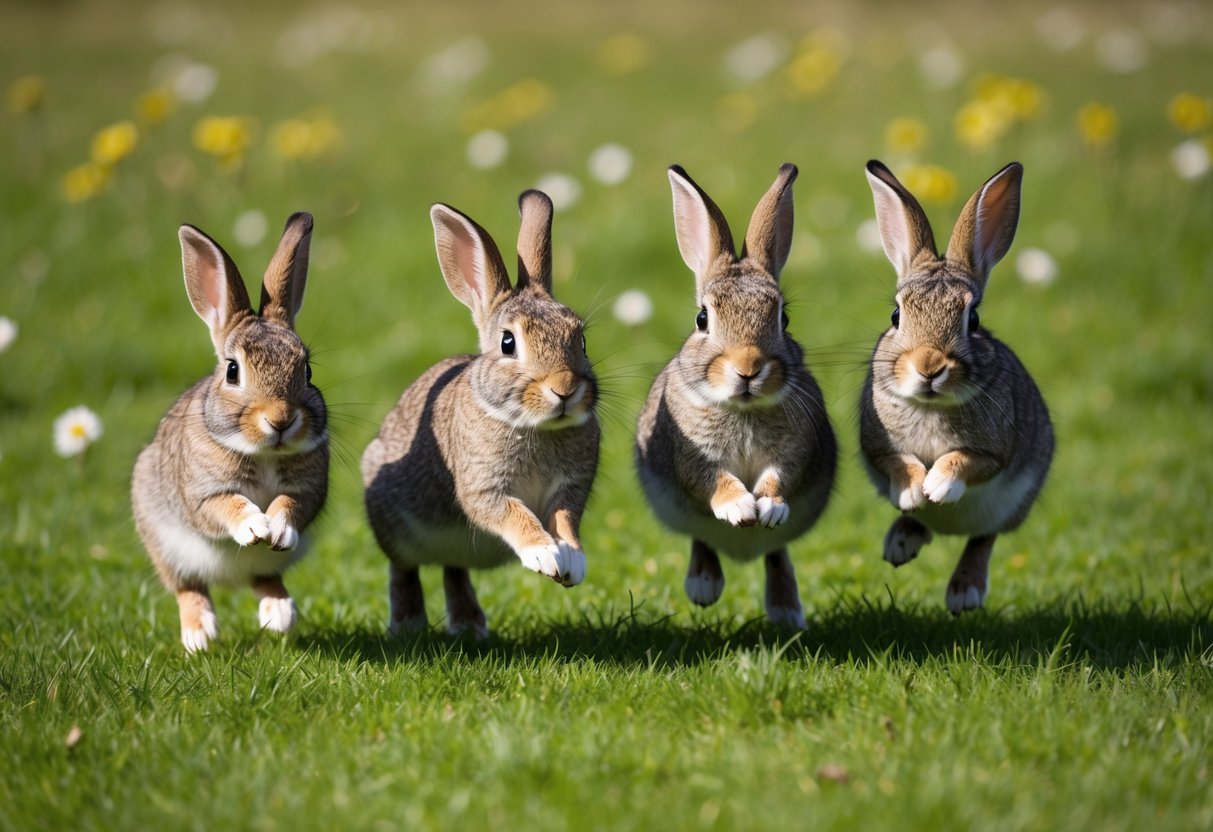
You might think of rabbits as simple pets, but they are social animals that thrive in groups. Their playful behavior, like performing binkies when they’re happy, showcases their lively nature.
Understanding these little quirks can help you appreciate them even more, whether you’re a rabbit owner or simply an admirer of these charming animals.
As you discover more about rabbits, you’ll find that they are not just cute fluffballs. Learning about their diet, social habits, and physical features can deepen your admiration. Dive into these five fun facts to see how extraordinary rabbits truly are!
Anatomy and Behavior
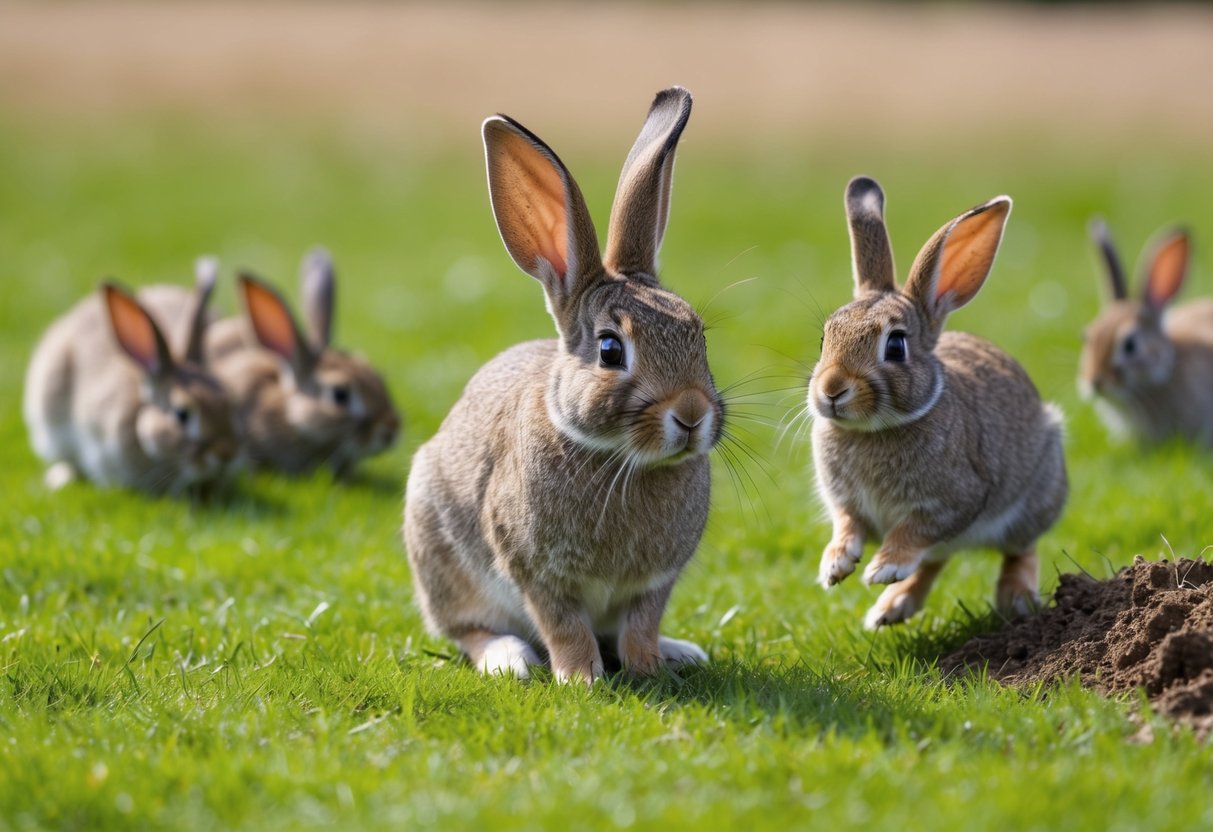
Rabbits have unique physical traits and interesting social habits that make them fascinating pets. Understanding these characteristics will help you appreciate their behavior and how they interact with each other and their environment.
Distinctive Physical Features
Rabbits are easily recognized by their long ears and big, expressive eyes. These features help them detect sounds and movements, making them alert to predators.
Their teeth grow continuously, so they need to chew on tough materials like hay to keep them filed down.
Another notable feature is their fluffy tails, which can be a sign of excitement when they hop around. Their bodies are designed for quick movement, and their strong hind legs allow them to jump great distances. This combination of traits contributes to their agility and grace.
Social and Reproductive Habits
Rabbits are social creatures. They thrive in groups and often form strong bonds with other rabbits.
A pair of rabbits can develop deep companionship, so if you consider getting one, think about adopting a friend for them.
When it comes to reproduction, female rabbits are called does, and males are known as bucks. A baby rabbit is called a kit.
Does can have multiple kits in a single litter. Mother rabbits care for their young by nursing them and protecting them until they’re old enough to venture out.
Communication and Happiness
Rabbits communicate in various ways. They may thump their hind legs to warn others of danger. They also show happiness through behaviors like the binky. This is when a rabbit jumps and twists in the air, expressing joy.
You can tell a rabbit is content by observing its body language. Relaxed ears and a calm posture indicate happiness.
Make sure to provide a safe, stimulating environment for your rabbit, as this can lead to more binkies and a healthier, happier companion.
Habitat and Diet
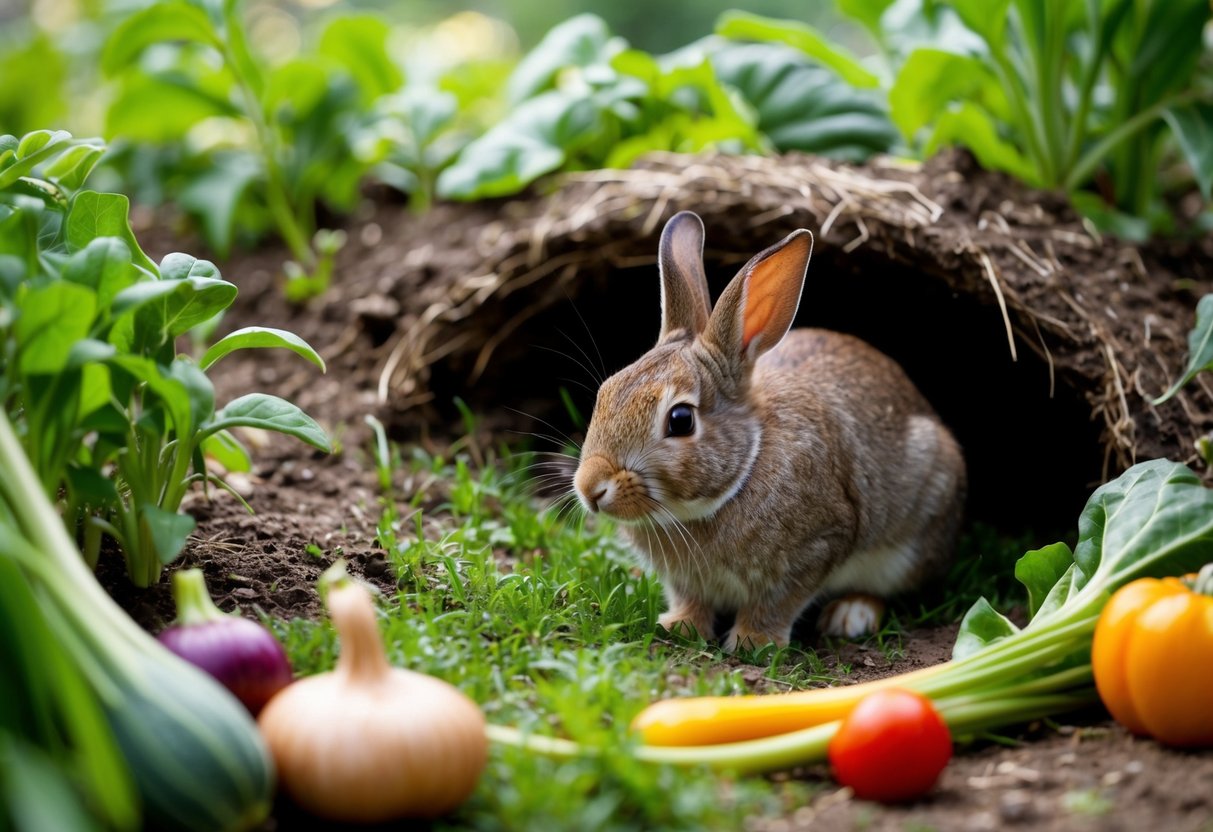
Rabbits thrive in diverse environments, creating homes that support their lifestyle. Their diet reflects their herbivorous nature, with strong preferences for certain types of plant material. Let’s explore where rabbits live and what they eat.
Living Environments
Wild rabbits commonly inhabit areas like forests, grasslands, and meadows. They often use warrens, which are complex underground burrows, to stay safe from predators.
These warrens can be quite extensive, providing shelter and a place to raise kits.
You might find rabbits in urban areas as well. They adapt well to gardens and parks. Rabbits prefer locations with plenty of cover, like tall grasses or shrubs. This helps them hide from dangers.
Nutritional Needs
As herbivores, rabbits have specific dietary needs. Their diet mainly consists of hay, fresh vegetables, and some fruits. Hay is essential for their digestion and keeps their teeth healthy.
Rabbits also produce special droppings called cecotropes. They eat these to absorb more nutrients.
This unique digestive process helps them thrive on a plant-based diet.
You should always provide a balanced diet rich in fiber. Avoid sugary treats, which can upset their digestion. Ensure access to fresh water to support their health.
Breeds and Care

Understanding different rabbit breeds and how to care for them is key to being a responsible pet owner. Each breed has unique characteristics and needs, making it important to choose the right one for your lifestyle.
Popular Rabbit Breeds
When selecting a rabbit, you may consider Domestic Rabbits like the Netherland Dwarf and Flemish Giant.
Netherland Dwarfs are small and friendly, ideal for families and limited spaces. They usually weigh around 2-3 pounds and have a playful personality.
On the other hand, Flemish Giants are among the largest rabbit breeds, weighing up to 14 pounds
Rabbits in the Wild

Rabbits are fascinating creatures found in many habitats around the world. They belong to the group called lagomorphs, which also includes hares and pikas.
In the wild, rabbits have a variety of predators. Common predators include foxes, hawks, and snakes. These predators are always on the lookout for rabbits.
Rabbits are herbivores, which means they primarily eat plants. Their diet includes grasses, clovers, and leaves. This helps them stay healthy and strong for escaping from predators.
Wild rabbits live in groups for safety. They create homes in underground burrows called warrens. These warrens help protect them from danger and provide a comfortable place to live.
You’ll find wild rabbits in different places like forests, grasslands, and even wetlands. They adapt well to their surroundings, making them very successful in the wild.
As prey animals, rabbits have unique behaviors to avoid danger. They use their excellent vision to spot threats from afar. If they sense danger, they can make a quick escape with a powerful leap.
Wild rabbits are indeed remarkable and play an important role in their ecosystems, offering food for many other animals. Their ability to thrive in various environments is truly impressive.


