
Rabbits can be a delightful addition to your garden, bringing joy and charm. If you’re wondering about their lifespan, pet rabbits typically live between 8 to 12 years when cared for properly. This is much longer than their wild counterparts, who often only survive 1 to 2 years due to predators and other risks.
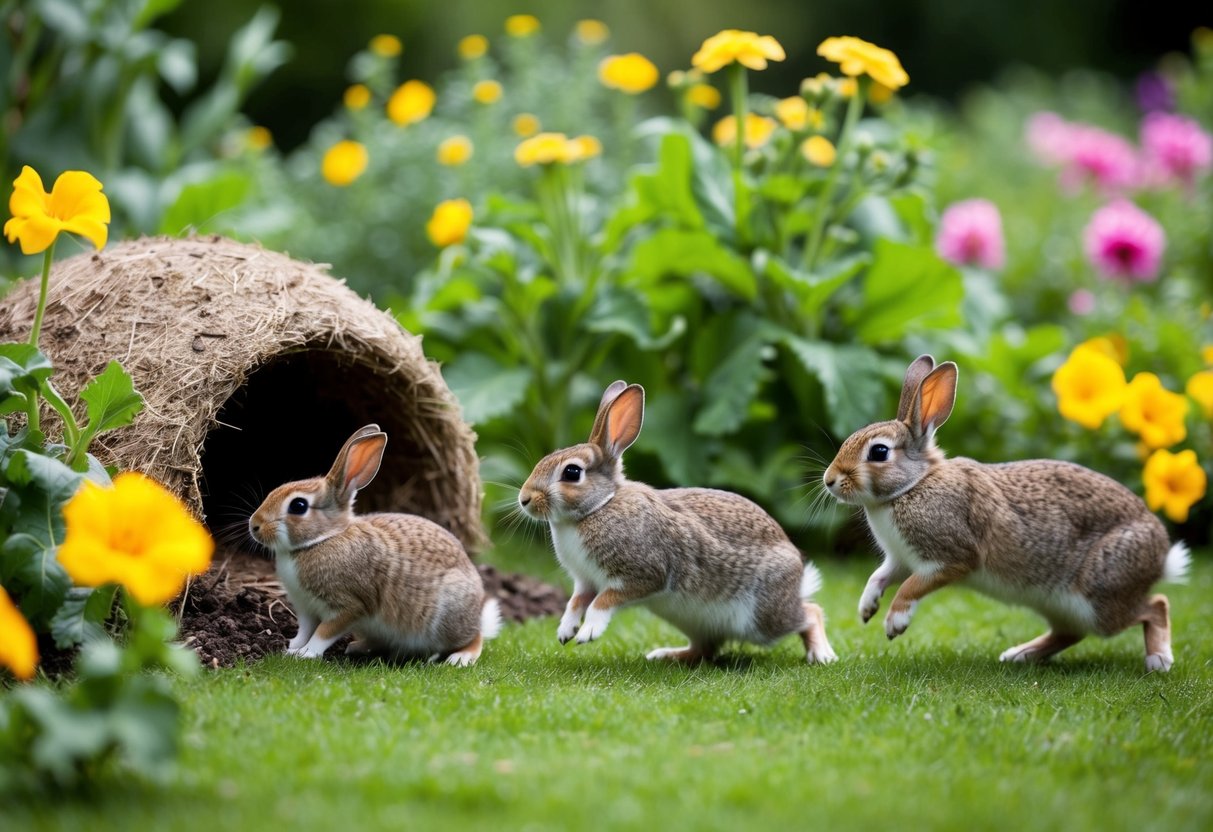
Understanding how long rabbits live can help you plan for their care and ensure they thrive in your garden. With the right habitat, diet, and attention, you can create a safe environment where your rabbits can enjoy life for many years. As you learn more, you’ll discover ways to enhance their well-being and happiness.
Understanding Rabbit Lifespan
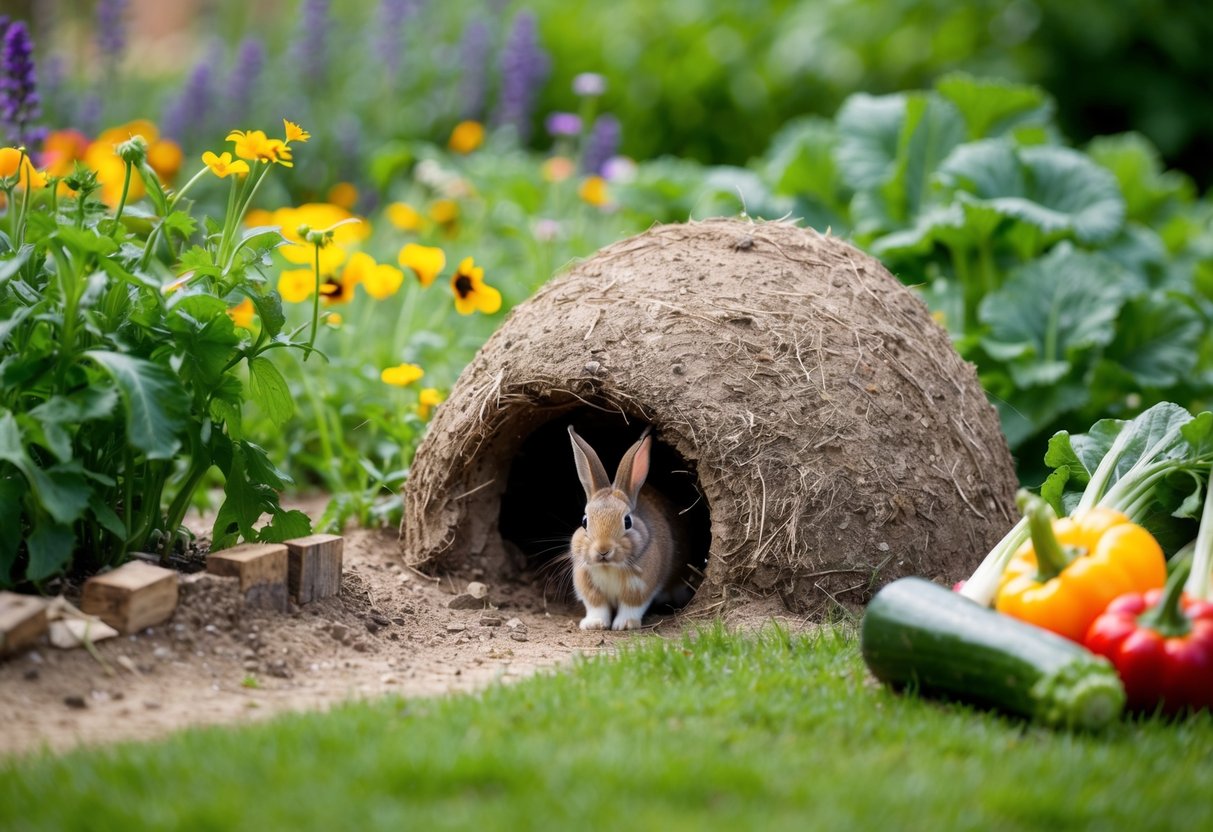
Rabbit lifespan can vary based on several important factors. Knowing these can help you provide better care for your furry friends, whether they are wild or domestic.
Factors Affecting Rabbit Longevity
Several factors influence how long rabbits live. For domestic rabbits, your care plays a big role. Proper diet, a clean living environment, and regular vet visits can extend their lives significantly. Domestic rabbits usually live between 8 to 12 years, but some can live longer with great care.
In contrast, wild rabbits face numerous dangers. Their average lifespan is only 2 to 3 years due to predators and environmental challenges. Stress and illness also impact their longevity. By understanding these factors, you can appreciate the differences between domestic and wild rabbits.
Lifespan Variations Among Breeds
Different rabbit breeds also have varied lifespans. For example, dwarf rabbits often live longer than larger breeds due to their smaller size and lower health risks. They typically average around 10 to 12 years.
On the other hand, breeds like Flemish Giants may have shorter lifespans, averaging around 5 to 10 years. Lop rabbits vary too, with many living between 8 to 12 years. The oldest rabbit on record lived to be 18 years old, highlighting the potential for longevity with excellent care. Understanding these breed differences can help you choose a rabbit that fits your expectations for lifespan.
Creating a Healthy Habitat
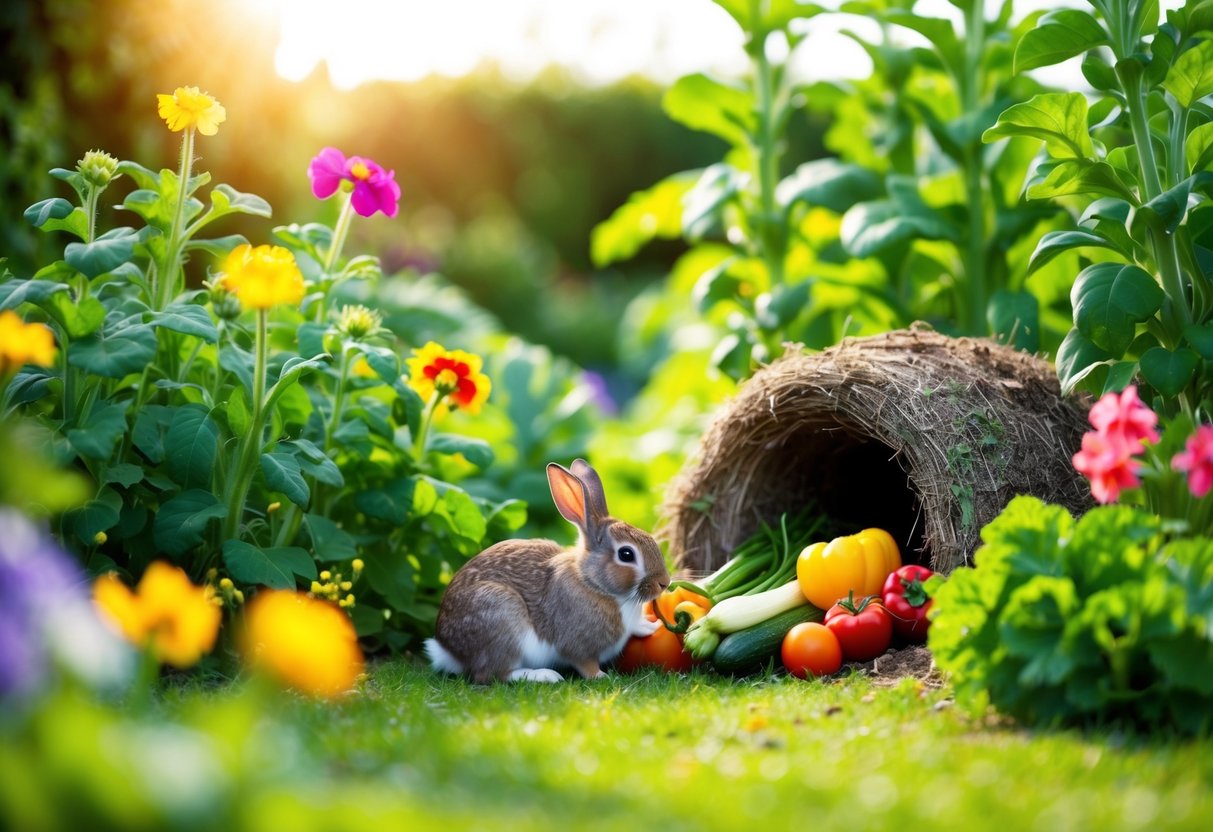
A healthy habitat is vital for your rabbit’s well-being. Whether you choose to keep your rabbit indoors or outdoors, providing a proper environment, along with a balanced diet, is crucial. Let’s explore what each option requires.
Indoor vs. Outdoor Living
Indoor rabbits have unique needs. Your home should provide a safe space where they can roam freely. This includes a designated play area with enough toys to keep them stimulated. Look for chew toys and tunnels to encourage exercise and exploration.
Outdoor rabbits enjoy fresh air and natural sunlight. Ensure their area is secure and protected from predators. Provide hiding spots using shrubs or wooden structures. It’s also important to monitor them closely to prevent overheating or chilling from sudden weather changes.
Both indoor and outdoor rabbits require time outside their setups to stay active. You can create a safe exercise zone in your garden where they can hop around freely.
Diet and Exercise
A balanced diet is essential for your rabbit’s health. Focus on hay as the main part of their diet. It aids digestion and prevents obesity. Fresh vegetables, like leafy greens, are great additions, but avoid starchy or sugary foods.
Limit pellets to ensure your rabbit does not gain too much weight. Obesity can lead to serious health issues, so practice portion control. Always provide access to fresh water, too.
Exercise is equally important. You should encourage daily playtime. Indoor rabbits benefit from running around your home. For outdoor rabbits, let them explore safe areas of the garden. Regular movement will keep them healthy and happy!
Health Care and Wellness
Taking care of your rabbit’s health is essential for a long and happy life. Regular veterinary visits and preventive care can catch health issues early and improve your pet’s overall quality of life. Here are some key aspects to consider.
Importance of Veterinary Visits
Regular veterinary check-ups are vital for keeping your rabbit healthy. The vet can monitor weight, dental health, and any signs of illness. Rabbits are experts at hiding pain, so early detection is crucial.
Spaying and neutering are common procedures that can prevent health issues and unwanted litters. Neutered rabbits often have fewer behavioral problems. Discuss the best age for these procedures with your vet.
Vaccinations are also important. They protect your rabbit from serious diseases. Besides your routine check-ups, don’t hesitate to reach out to your vet if you notice any changes in behavior or appetite.
Common Health Issues and Prevention
Rabbits can face several health challenges, and being aware can help you take action. Gastrointestinal stasis is a serious condition where the digestive system slows down. This can lead to discomfort or even be life-threatening.
Providing a balanced diet rich in hay and fresh vegetables promotes good gut health. Similarly, dental care is important. Regularly check your rabbit’s teeth and provide chew toys to prevent overgrowth.
Watch for signs of respiratory issues or skin problems as well. Addressing these promptly with your vet can prevent bigger problems down the line.
The Social Life of Rabbits
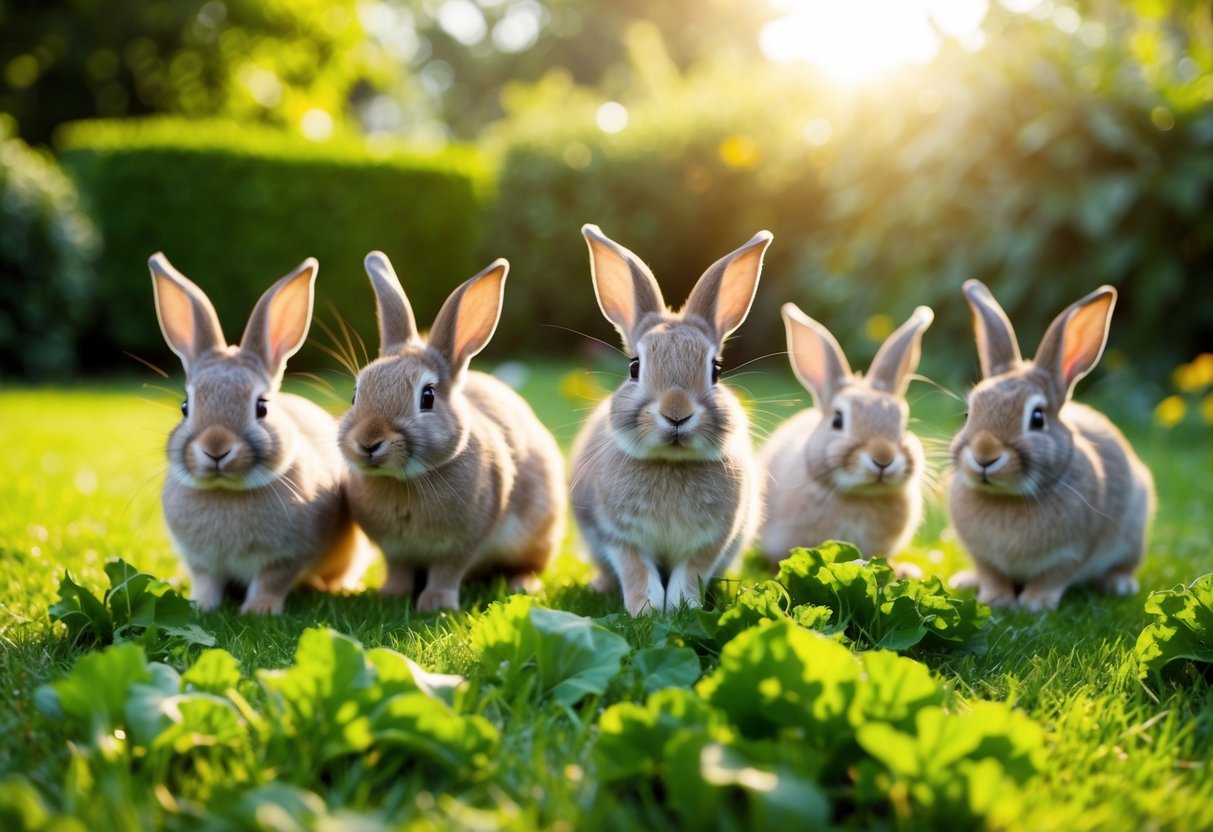
Rabbits are social animals that thrive on companionship and interaction. Understanding their social needs can help you provide a nurturing environment that supports their well-being and longevity.
Companionship and Behavior
Pet rabbits enjoy the company of other rabbits, as they are naturally social creatures. If you have a single rabbit, consider adding a companion. This can lead to happier and more active pets.
When rabbits interact, they engage in behaviors like grooming and play-fighting. These activities help form bonds and create a stable social structure within their groups. It’s important to supervise their introductions to ensure they get along well.
Bunnies can communicate through body language. For example, a thumping foot indicates distress, while binky hops show happiness. Engaging with your rabbit through play and providing a safe environment can foster positive behaviors.
Impact of Socialization on Lifespan
Socialization can significantly affect the lifespan of pet rabbits. A well-socialized rabbit is more likely to be mentally stimulated and less stressed. This leads to a healthier and happier life.
Proper interaction can help reduce behavioral issues, which may contribute to health problems over time. For instance, rabbits that feel lonely or bored might show signs of depression, affecting their overall health.
Taking time to interact with your rabbit daily is crucial. Enrich their environment with toys and even safe areas to explore. This will support their emotional well-being and can contribute to a longer lifespan.


