
Training a Boxer dog can be both a rewarding and challenging experience. Boxers are intelligent and eager to please, but they can also be stubborn and energetic. This means you need to be patient and consistent in your training efforts. With the right approach, socialization, and positive reinforcement techniques, you’ll find that building a strong bond with your Boxer will make training much easier.
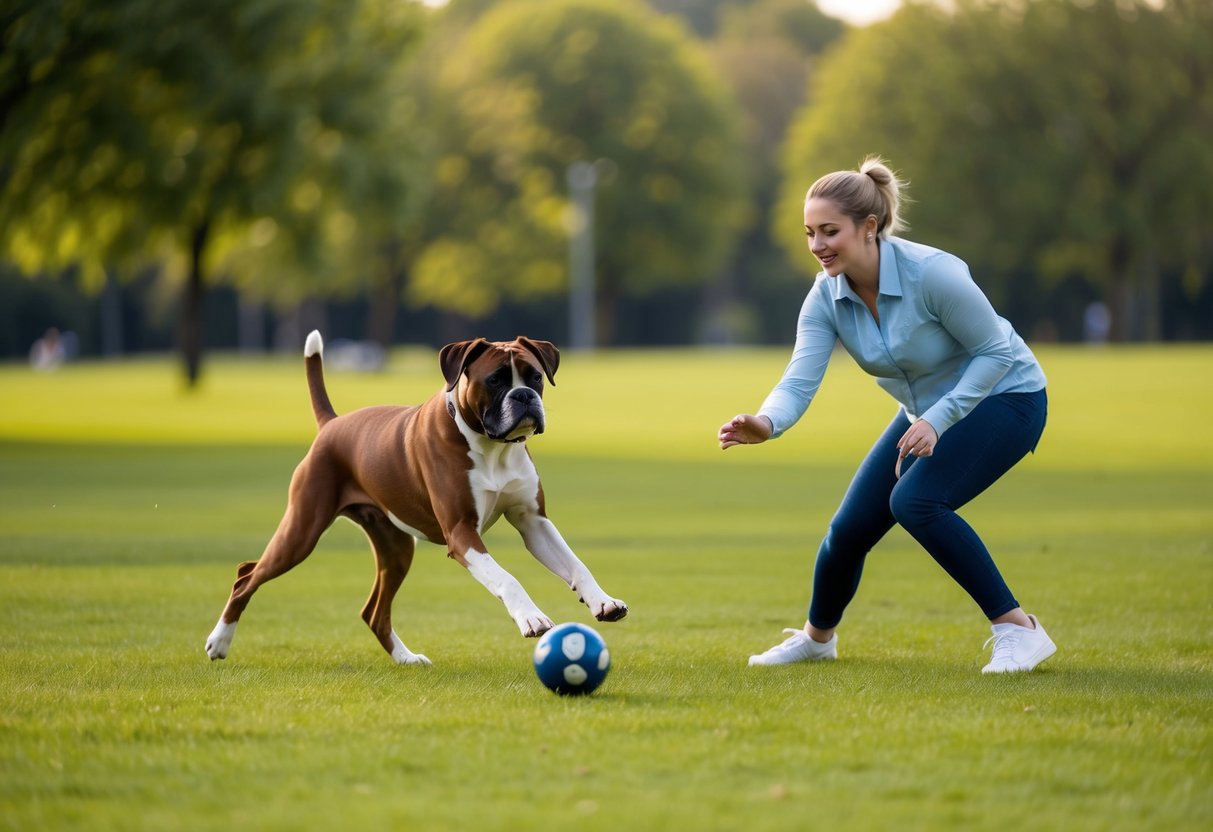
Your Boxer will thrive on interactive training methods that keep their mind engaged. Incorporating fun activities and games can help curb their high energy levels while teaching them important commands. Socialization is also key; exposure to different environments, people, and other animals will encourage your dog to be well-adjusted and confident.
By adopting a friendly and structured training routine, you will set your Boxer up for success. Understanding their unique temperament will help you tailor your training methods to fit their needs, making the process smoother and more enjoyable for both of you.
Getting to Know Boxers

Understanding Boxers helps you train and bond with your dog effectively. These playful and loyal dogs have unique traits and behaviors that can be both delightful and challenging.
Breed Characteristics
Boxers are known for their strong, muscular build and energetic nature. They are medium-sized dogs, typically weighing between 50 to 70 pounds. Because of their high energy level, they require plenty of exercise and mental stimulation to stay happy and healthy.
In addition to being active, Boxers are also very loyal and protective of their families. They thrive on interaction and love to be around people. Their playful spirit means they often enjoy games and activities that engage their mind and body. Training is important, as these energetic dogs can sometimes become overly excited.
Common Boxer Behavior Challenges
While Boxers are loving companions, they can present certain behavior challenges. One common issue is jumping up on people, especially when they are excited to greet you. This can be managed by rewarding calm behavior and teaching commands like “sit” or “down.”
Another challenge is their tendency towards excessive barking. Boxers may bark to communicate or express energy. Training them to be quiet on command can help reduce this behavior.
Lastly, Boxers can experience separation anxiety when left alone. They thrive on companionship and can become anxious if not properly trained. Creating a safe space and gradually increasing alone time can help them feel more at ease. Understanding these behaviors is key to a happy and well-adjusted Boxer.
Fundamentals of Training Your Boxer
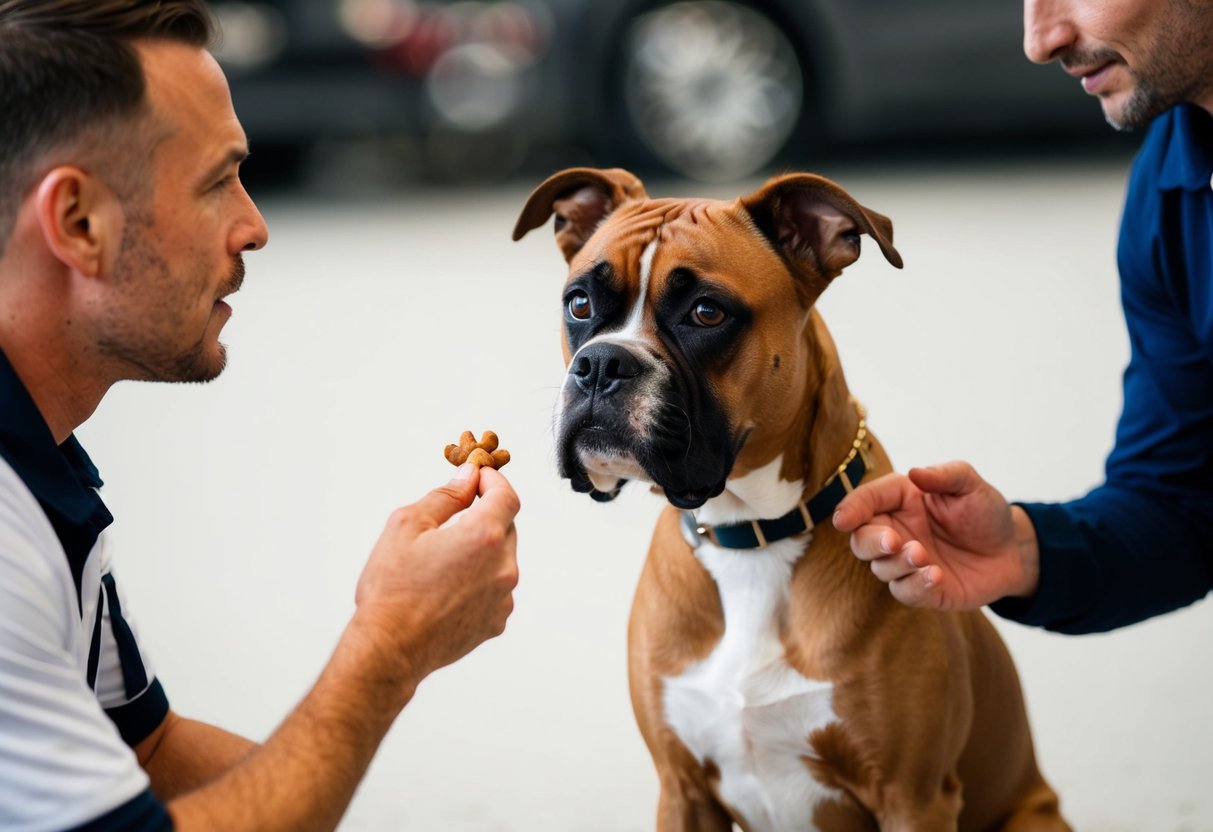
Training your Boxer can be a rewarding experience when you focus on essential techniques and commands. Understanding the importance of positive reinforcement and key commands will set the foundation for successful training sessions with your dog.
The Role of Positive Reinforcement
Using positive reinforcement is one of the best ways to train your Boxer. This method involves rewarding your dog for good behavior. Rewards can include treats, praise, or playtime. Aim to offer a reward immediately after your dog performs a desired action so they can make the connection.
For example, if your Boxer sits on command, give them a treat right away. This encourages them to repeat the behavior. Keep sessions short, around 10-15 minutes, to maintain your dog’s focus. Remember, patience is key. Boxer dogs are energetic and playful, so using fun and engaging methods can make training more enjoyable for both of you.
Essential Commands to Teach
Start with basic commands that are crucial for any obedience training program. Key commands to focus on include:
- Sit
- Stay
- Come
Begin with “Sit.” Hold a treat above your dog’s nose and move it back over their head. This motion encourages them to sit down. Once they do, say “Sit,” and reward them.
Next, practice “Stay.” Ask your dog to sit, then slowly step back while saying “Stay.” If they remain seated, reward them.
Finally, teach “Come.” Start in a controlled area, call your dog’s name, and use the command while backing away. When they come to you, celebrate their success with praise or a treat. These commands build a strong bond between you and your Boxer, making future training easier.
Advanced Training Techniques
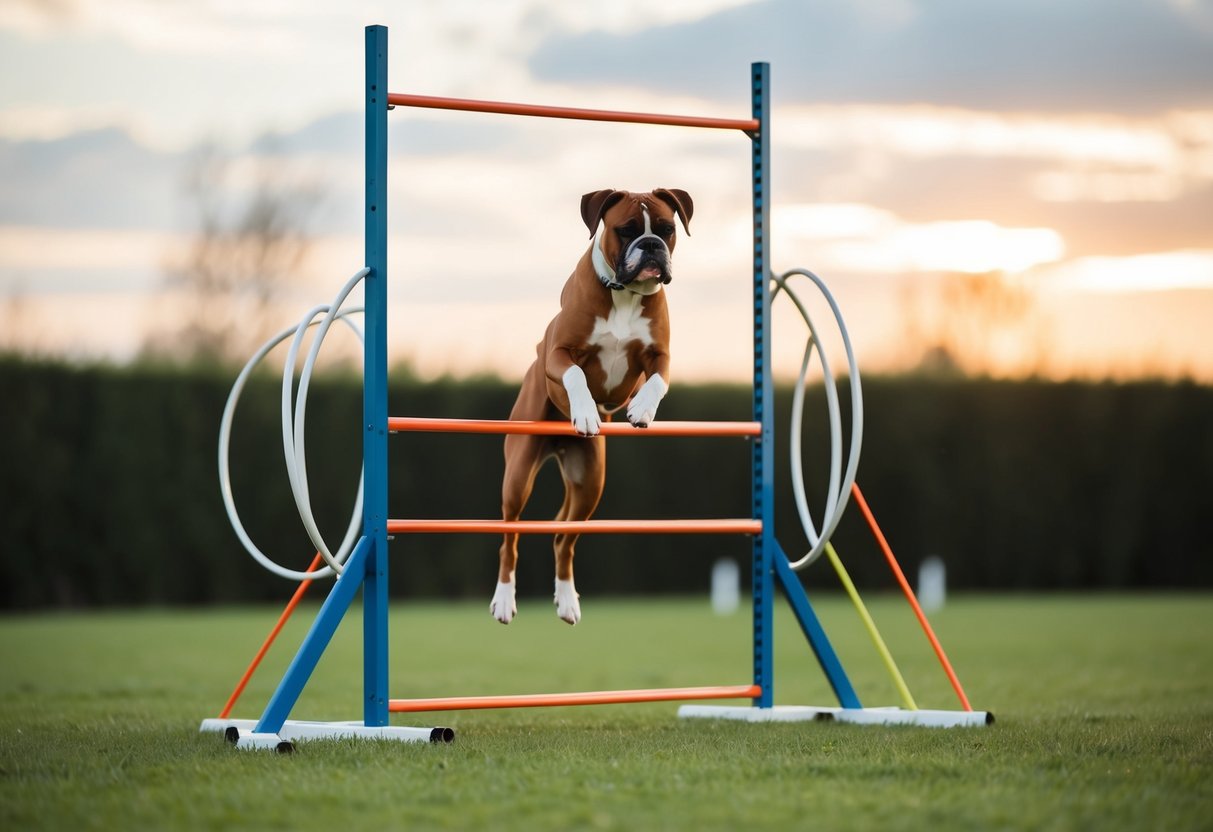
Training your Boxer involves using effective techniques that cater to their energetic nature. This section covers essential methods to improve leash manners, crate training, and mental exercises, ensuring a happy and well-behaved companion.
Leash Manners and Social Etiquette
Teaching your Boxer good leash manners is key to enjoyable walks. Start by using a comfortable collar or harness. Get your Boxer used to the leash indoors before going outside. When walking, keep the leash short but relaxed. If your dog pulls, stop walking until they return to your side. Reward them when they stay close.
Tips for Social Etiquette:
- Dog Parks: Expose your Boxer to other dogs gradually. Observe body language to ensure comfort.
- Puppy Classes: Enroll in classes to help with socialization and basic commands.
- Positive Reinforcement: Always use treats or praise when your Boxer behaves well during interactions.
Crate Training and Potty Training
Crate training helps your Boxer feel secure and safe. Choose a crate that’s large enough for your dog to stand up, turn around, and lie down comfortably. Start by introducing the crate with positive experiences, such as treats and toys.
Potty Training Steps:
- Take your Boxer out to the same spot in your yard frequently.
- Use a consistent phrase like “go potty” when they relieve themselves.
- Praise immediately after they finish.
Be patient. Accidents may happen, but consistency and routine will lead to success.
Mental Exercises and Games
Boxers are smart dogs that benefit greatly from mental stimulation. Incorporating games into your routine can help keep them engaged and happy.
Activities to Try:
- Hide and Seek: Have your dog stay while you hide. Call your Boxer to find you, rewarding them when they do.
- Puzzle Toys: These toys dispense treats when solved, offering both challenge and reward.
- Tricks Training: Teach fun tricks like “roll over” or “play dead.” Use shaping techniques by rewarding small steps toward the final trick.
Regular daily exercise combined with mental challenges will keep your Boxer well-rounded and satisfied.
Creating a Consistent Training Schedule
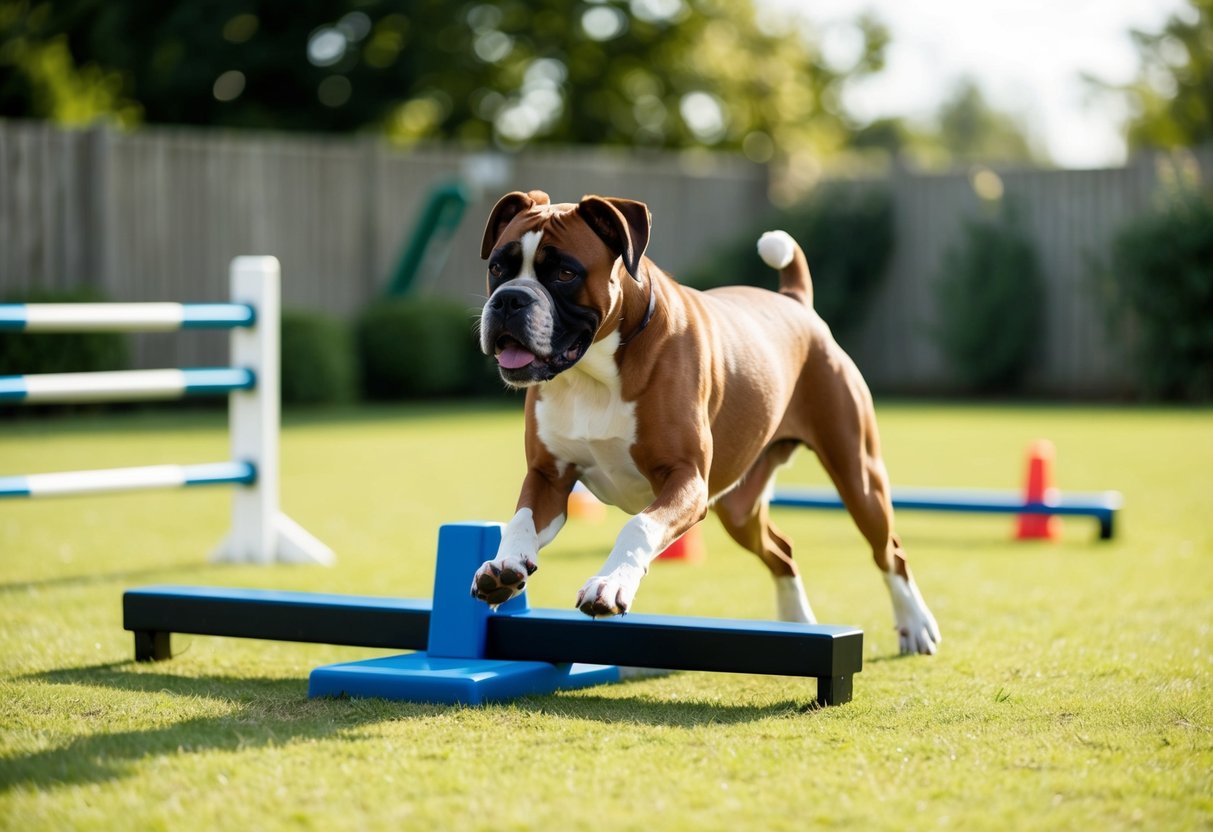
Setting up a consistent training schedule is key to effectively train your Boxer. With a good routine, you can help your puppy learn faster and become well-behaved. This approach boosts both their confidence and your bond.
The Importance of Routine
Having a routine provides stability for your Boxer puppy. Dogs thrive on consistency, and a regular training schedule helps them know what to expect. Aim for multiple short training sessions each day. Sessions should last about 10-15 minutes.
Key benefits of routine training:
- Helps with learning commands.
- Reduces anxiety in dogs.
- Encourages good behavior.
Try to train at the same times each day. This could be after meals or morning walks. Ensure training is linked to positive experiences to keep your puppy engaged.
Incorporating Training Into Everyday Activities
You can blend training with daily activities. This not only reinforces commands but also makes training feel more natural. For example, practice commands during walks or playtime. Use positive reinforcement, like treats or praise, to reward good behavior.
Training tips to make it fun:
- Use playtime for practicing commands like “sit” or “stay.”
- Incorporate commands during meal times by asking your puppy to sit before feeding.
- Engage in puzzles or toys that promote thinking, giving mental stimulation alongside physical exercise.
This method keeps the training varied and exciting while ensuring your Boxer is always learning.
Dealing With Setbacks in Training
It’s normal to face challenges while training. Setbacks can happen for various reasons, like distractions or changes in routine. If your Boxer is struggling, take a moment to reassess your training techniques.
Strategies for overcoming setbacks:
- Stay calm and patient. Dogs sense your emotions.
- Revisit basic commands if your puppy is confused.
- Consider using negative reinforcement sparingly, as it can create stress.
Focus on creating positive experiences, even when things don’t go as planned. Remember, each dog learns at their own pace, and celebrating small achievements can make a big difference!


