
When you think about boxers, you might picture strong athletes ready for a fight, but their physique is often more about being lean than bulky. Most boxers have a lean body composition that helps them stay agile and quick, rather than the large muscle mass typically seen in bodybuilders.
This lean build allows them to perform better in the ring, especially since they compete in various weight classes where extra bulk can be a disadvantage.
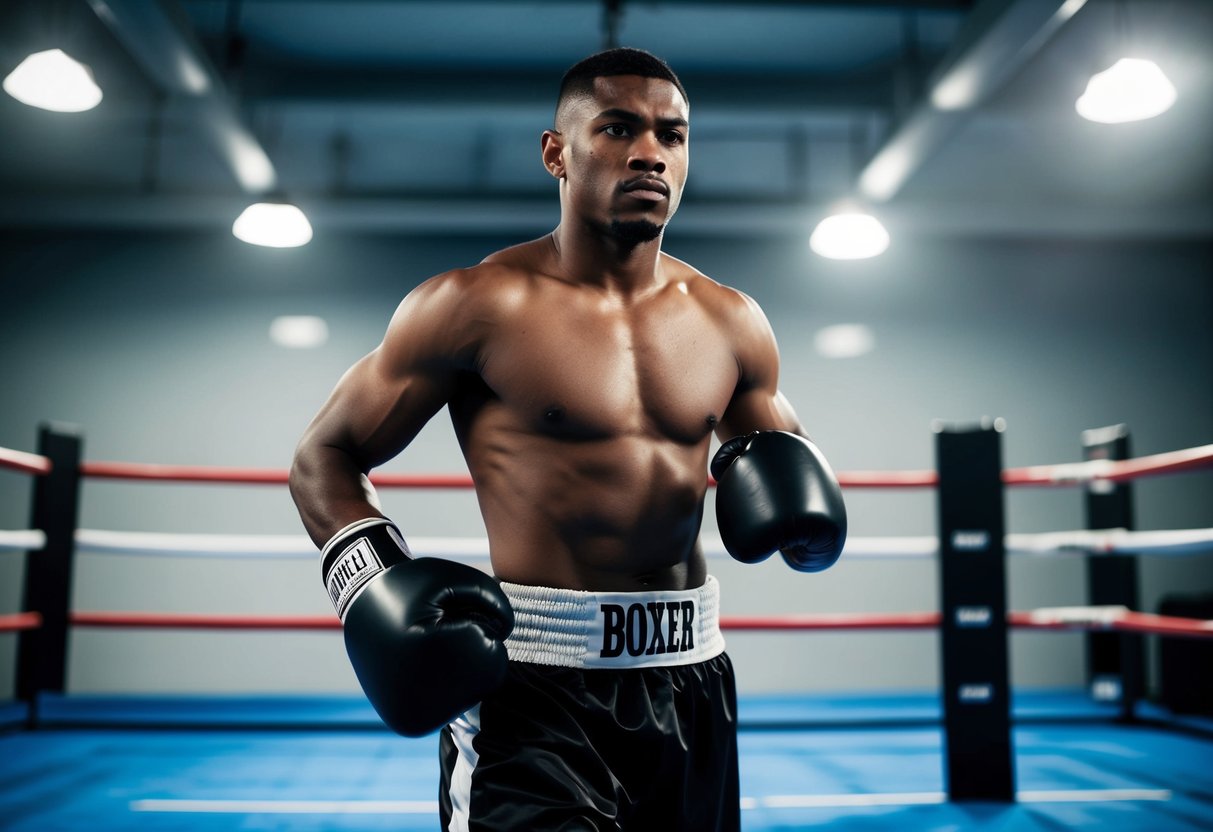
Boxing training focuses on developing lean muscle and strength, rather than adding size. Fighters engage in a mix of cardio, heavy lifting, and specific boxing drills to enhance their speed and power.
This combination promotes a toned physique while keeping unnecessary bulk off their frame.
If you’ve ever wondered why boxers look different from bodybuilders, it all comes down to their training goals. While bodybuilders aim to increase muscle mass, boxers prioritize agility and endurance. Understanding these differences can really help you appreciate the unique training and fitness approach that boxers adopt.
Physical Characteristics of Boxers

Boxers are known for their unique physical traits that support their performance in the ring. Their bodies are often characterized by lean muscle mass rather than bulky muscles, which aids in speed and agility while fighting.
Lean vs Bulky Physiques
You might notice that most boxers tend to have a lean physique. This is largely due to their training routines, which focus on cardio, agility drills, and high-repetition exercises.
These workouts help develop lean muscle without adding excessive bulk.
Boxers typically avoid heavy lifting aimed at muscle hypertrophy, as it can slow them down. Their goal is to achieve a toned and defined body that allows for quick movements. This focus on lean muscle helps boxers maintain their power and endurance during fights.
Muscle Composition and Boxing
In boxing, muscle groups used most are the arms, shoulders, and core. These areas require a balance of strength and agility.
Boxers often engage in strength training that promotes muscle definition rather than sheer size.
By prioritizing exercises that enhance power and explosiveness, such as lunges or push-ups, boxers can develop muscles that are both strong and functional. This results in a physique that is capable of quick, precise movements, vital in the ring.
Boxing Training and Body Composition
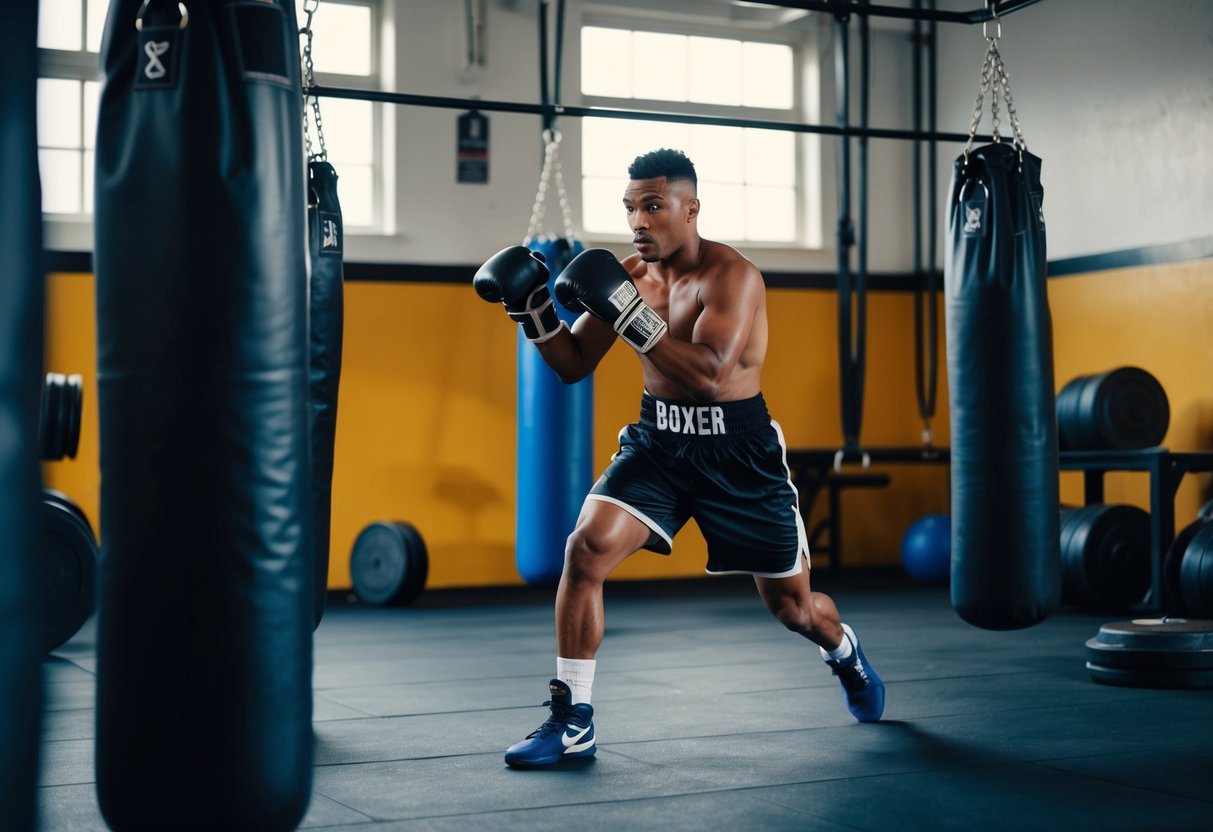
Boxing training is designed to improve your body composition by focusing on strength, endurance, and agility. The right mix of exercises helps you build muscle while staying lean, which is key for performance in the ring.
Core Components of Boxing Training
Core muscles play a vital role in boxing. These are not just abs; they include muscles in your back, hips, and pelvis. A strong core helps you generate power in your punches and maintain balance.
Boxing workouts often include strength exercises like push-ups and planks. These help build the core stability you need to throw effective power punches.
Footwork drills are also essential, as they improve your agility and ability to move quickly in the ring.
Training routines can vary but aim to combine these elements for a well-rounded approach.
Strength and Conditioning Exercises
To maximize muscle growth, you engage in strength and conditioning exercises. This includes both traditional weightlifting and boxing-specific workouts.
You might do compound movements like squats or deadlifts. These exercises work multiple muscle groups, improving overall strength.
Incorporating high-intensity interval training (HIIT) can also boost your muscle endurance.
Additionally, using heavy bags during training develops your upper body strength and power. It’s important to maintain good form to prevent injuries while increasing strength effectively.
Cardiovascular Training for Boxers
Cardiovascular fitness is crucial for boxing. You need stamina to last through rounds while maintaining speed and agility.
Many boxers use interval training to improve their cardio. This means alternating between high-intensity bursts of speed and lower intensity.
Shadow boxing is a practical way to train your heart and lungs while working on your technique.
Don’t forget about bag work! Heavy bag sessions can provide both strength and cardio benefits, making it an effective part of your training routine.
Diet and Nutrition for Optimal Performance

To achieve peak boxing performance, your diet needs to support muscle growth while keeping body fat in check. The right balance of protein and calories is essential for building lean muscle and enhancing your overall strength and endurance.
Role of Protein and Muscle Building
Protein is a vital part of your diet. It helps repair and build muscle tissue, especially after intense training.
Aim to include lean sources of protein like chicken, fish, beans, and high-protein dairy products in your meals.
As you focus on muscle-building exercises, consuming 1.6 to 2.2 grams of protein per kilogram of body weight can support optimal muscle growth. This intake will help you recover faster and strengthen your muscles effectively.
Additionally, consider timing your protein intake around workouts to maximize muscle synthesis and repair.
Balancing Calories for Lean Gains
Maintaining a calorie balance is crucial for your boxing performance. You’ll want to consume enough calories to support your training while avoiding excess that leads to unwanted fat gain.
A common approach is the “3-2-1 rule”, which suggests macrophot ratio based on your weight. This means for every kilogram of body weight, aim for:
- 3g of carbohydrates
- 2g of protein
- 1g of fat
By focusing on these ratios, you can promote efficient energy use and support muscle growth.
Also, make sure to stay hydrated. Don’t forget the importance of healthy fats like avocados and nuts for overall health.


