
Choosing between a girl dog or a boy dog can be a tough decision for many dog owners. Both genders can make wonderful pets, but each comes with its own set of traits and behaviors that may influence your choice. Many people have preferences based on their experiences or lifestyle, which can play a big role in this decision.
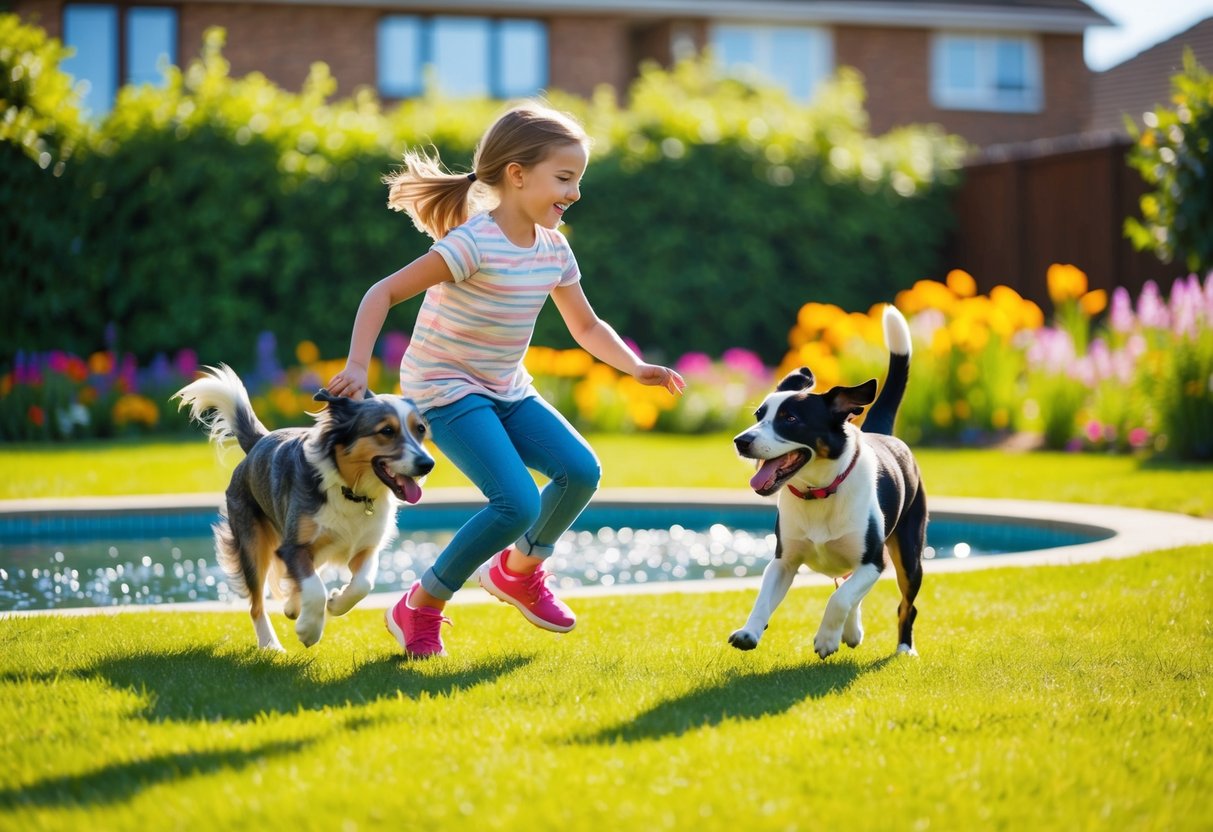
If you’re looking for a more playful companion, male dogs often bring higher energy and enthusiasm. On the other hand, female dogs might offer a more nurturing and gentle demeanor. Understanding these differences can help you select a better pet that fits your needs and lifestyle.
Ultimately, the best choice depends on your personal preferences and what you hope to find in a furry friend. By considering dog gender and your own lifestyle, you can find the perfect match for your home.
Behavioral Aspects

When choosing between a girl dog or a boy dog, understanding behavioral aspects can guide your decision. Temperament differences, aggression tendencies, and training needs can vary between male and female dogs, impacting your experience as a pet owner.
Temperament Differences Between Sexes
Male dogs often have more playful and energetic personalities. They might seek out excuses to engage in fun activities. On the other hand, female dogs tend to be more independent and may show a nurturing side.
Your dog’s individual personality plays a huge role. It’s important to recognize these differences when deciding. Think about what complements your lifestyle best.
Aggression and Socialization
Both male and female dogs can display aggression, but this can differ based on socialization. Male dogs may show more territorial behavior, particularly if they are not neutered.
Female dogs can also be aggressive, especially during their heat cycle. Proper socialization is crucial. Early interactions with different people and pets can help minimize aggressive tendencies. Consult with dog trainers to ensure a well-rounded approach.
Training and Obedience
Training styles may vary depending on the dog’s sex. Male dogs often respond well to assertive training methods due to their playful nature. Consistent exercises can channel their energy positively.
Female dogs might be more sensitive and responsive to gentle training techniques. It’s vital to understand your dog’s character. Using a mix of positive reinforcement and clear boundaries can enhance obedience in both girl and boy dogs. Tailoring your approach can lead to success in their training journey.
Health and Biological Factors

When considering whether to get a boy dog or a girl dog, health and biological factors play a significant role. These factors can influence your decision about spaying, neutering, and managing reproductive health.
Spaying and Neutering Effects
Spaying and neutering are common procedures for dogs. Spaying involves removing a female dog’s ovaries and uterus, while neutering refers to removing a male dog’s testes. These surgeries have several benefits.
For female dogs, spaying helps prevent unwanted litters and reduces the risk of certain health issues, like uterine infections and breast tumors. Neutering male dogs can help control aggressive behavior and reduce the chance of prostate problems and testicular cancer.
Keep in mind that these surgeries can affect your dog’s metabolism. Neutered dogs may require fewer calories, so it’s essential to adjust their diet and exercise to maintain a healthy weight.
Managing Heat Cycles and Reproduction
If you have a female dog, understanding heat cycles is important. A female dog typically goes into heat twice a year, lasting about three weeks each time. During this period, she may exhibit changes in behavior, such as increased urination and restlessness.
Managing her heat cycles requires careful attention. You may need to consider options like spaying, especially if you do not plan to breed her. For unspayed females, keeping her away from male dogs is crucial during her heat.
Males do not have heat cycles, but they can be more prone to roaming when they sense a female in heat nearby. Neutering can help reduce this behavior, making life easier for you and your pet.
Compatibility Considerations

When adding a dog to your home, it’s important to think about how well they will get along with other pets. Factors like gender, breed, and temperament play a big role. Understanding these aspects can help ensure a happy and harmonious household.
Interaction With Other Pets
Compatibility with other pets is crucial. Some dogs might prefer the company of dogs of the opposite gender, while others may do better with same-gender companions. For example, male dogs may sometimes exhibit dominance over another male dog.
Consider dog breeds; certain breeds have temperaments that may clash. Breeds like Labrador Retrievers are generally friendly, while Terriers might be more territorial. Take time to observe your current pets and how they interact with other dogs.
It’s often a good idea to introduce potential new pets in a neutral space to see how they get along before making a decision.
Choosing the Right Dog for Your Home
When you think about getting a new dog, match the new dog’s personality with your current pets. For instance, a laid-back dog may not mesh well with a high-energy one.
If you already have a dominant dog, adopting a younger or less dominant breed can help reduce potential conflicts.
Also, consider the training level of both dogs. Well-trained dogs tend to be easier to introduce to new pets.
Check if both dogs are spayed or neutered to reduce aggression.


