
When searching for the most obedient dog, many people often wonder which breed stands out for its trainability and intelligence. The Labrador Retriever is widely regarded as the most obedient dog breed due to its eager-to-please nature and responsiveness to positive reinforcement. These qualities make them not only great companions but also excellent choices for families and individuals alike.
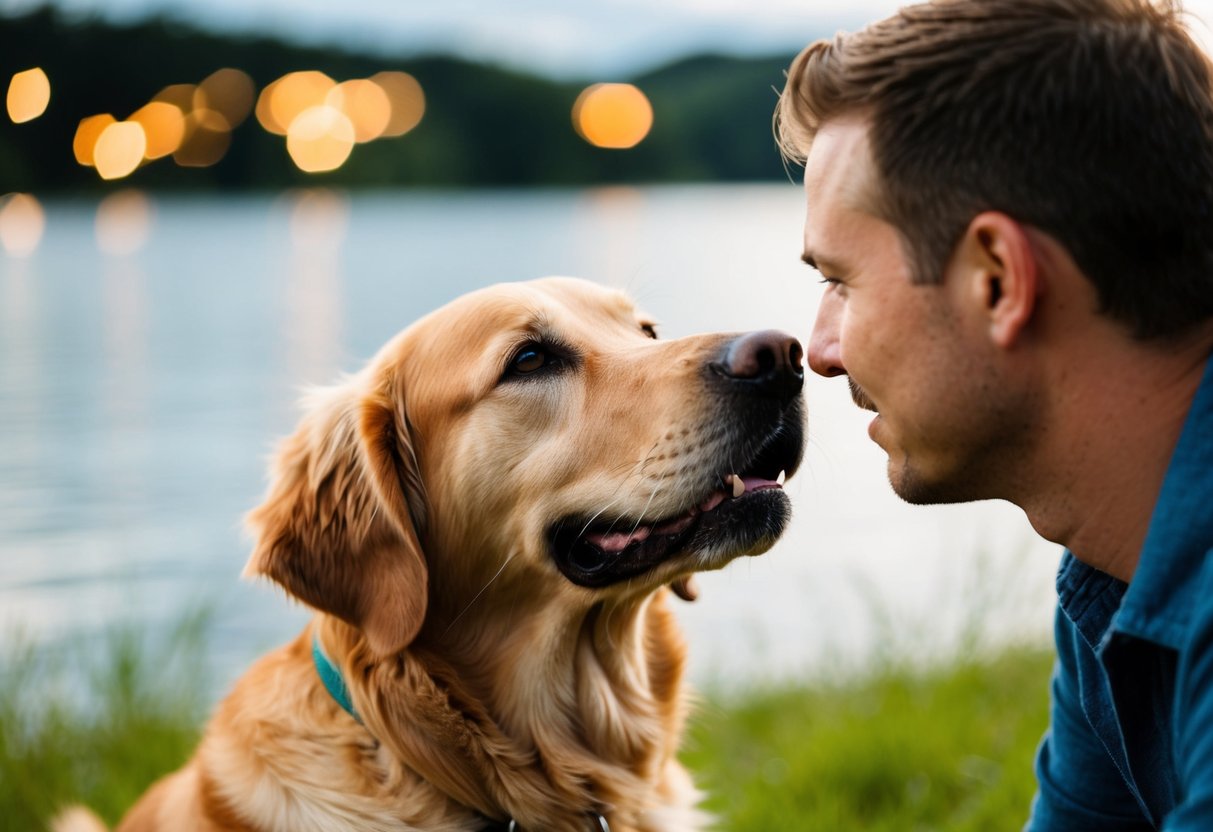
Obedient dog breeds typically thrive on mental stimulation and training activities that engage their minds. Positive reinforcement techniques, such as treats and praise, can make a significant difference in how well your dog learns commands and behaviors.
By focusing on building a strong bond through training, you can enjoy a well-mannered dog that is a joy to have around.
Whether you are looking for a dog that excels in obedience trials or simply want a loyal friend who listens well, understanding the traits of different breeds can help you make the best choice for your lifestyle. The journey of training your dog can be rewarding, filled with moments of joy and connection.
Understanding Dog Intelligence and Trainability

Dog intelligence and trainability are key factors when looking for a well-behaved pet. Certain breeds are naturally more obedient. Understanding these traits helps you choose the right dog for your lifestyle.
What Makes a Dog ‘Obedient’?
Obedience in dogs often comes down to intelligence, temperament, and training methods. An obedient dog responds well to commands and demonstrates good behavior consistently.
- Intelligence: Smart dogs learn quickly and grasp new commands with ease. Breeds like Border Collies excel in tasks and quick learning.
- Temperament: A calm, eager-to-please personality supports obedience. Some breeds are naturally more cooperative, making training smoother and more effective.
- Training Methods: Positive reinforcement methods work best. Treats, praise, and play motivate your dog to obey commands. Regular training sessions provide essential mental stimulation.
The Role of Breed in a Dog’s Trainability
Different breeds have varying levels of trainability, shaped by their genetics. Some breeds were specifically developed for tasks that require obedience and focus.
- Highly Trainable Breeds: Breeds like Poodles and Doberman Pinschers are known for their quick learning. They thrive when given direction and enjoy mental challenges.
- Independent Breeds: Some breeds, like Afghan Hounds, tend to be more independent. They might not respond as readily to commands since they are more easily distracted.
- Socialization: Early socialization plays a crucial role in a dog’s trainability. Exposing your dog to different environments, people, and other animals helps shape their behavior positively.
You can enhance your dog’s obedience by focusing on breed traits and effective training strategies.
Top Obedient Breeds and Their Characteristics
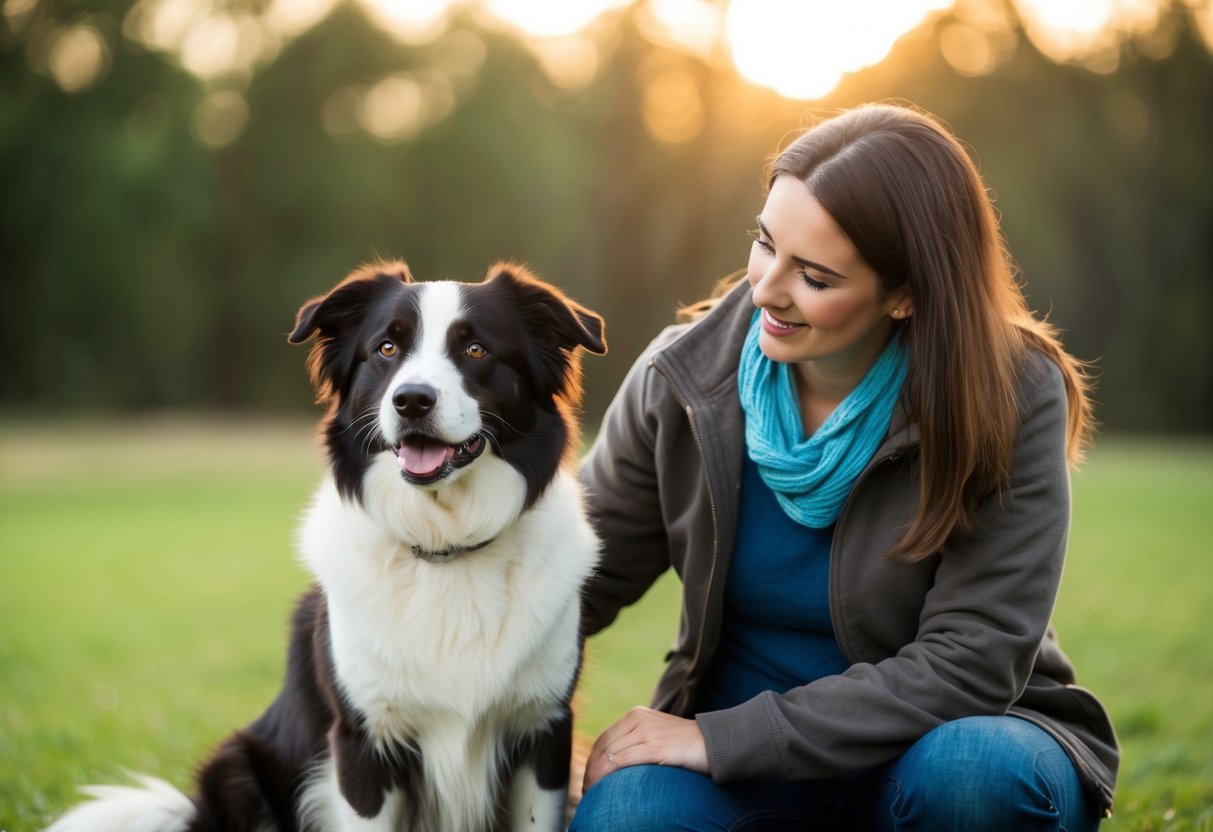
When choosing a dog, it’s important to consider obedience levels. Certain breeds are known for their willingness to listen and learn. Here are some of the most obedient breeds and what makes them stand out.
Border Collie: The Agile Thinker
The Border Collie is often regarded as the smartest dog breed. Their high intelligence allows them to quickly pick up commands. They excel in agility training due to their energy and quick thinking.
You’ll find that these dogs thrive on mental challenges. Providing them with puzzles and tasks keeps them engaged. Their eagerness to please makes training easy and fun.
With consistent training, a Border Collie can master various commands. They are known for their exceptional herding instinct, making them great working dogs. If you want an obedient dog that loves to learn, the Border Collie is a top choice.
German Shepherd: The Versatile Worker
German Shepherds are strong, intelligent, and versatile. They are often used in police and service work due to their obedience and trainability. Their loyalty and protective nature make them excellent companions.
Training a German Shepherd requires consistency and positive reinforcement. They respond well to commands and enjoy tasks that challenge them. Regular exercise is vital to keep their energy in check.
You’ll appreciate how they bond with families and protect their loved ones. This breed’s ability to learn complex commands makes them both reliable and enjoyable to train. A German Shepherd will be a devoted friend and a hard worker.
Golden Retriever: The Friendly Companion
Golden Retrievers are known for their friendly demeanor and intelligence. They are eager to please, which makes them highly trainable. Their gentle nature makes them great with children and families.
Training a Golden Retriever is often a joyful experience. They respond well to positive reinforcement techniques, such as treats and praise. Regular socialization helps them become well-adjusted dogs.
Their playful attitude means they love to interact with you. These dogs thrive on companionship and require plenty of exercises. If you want a loving and obedient dog, a Golden Retriever is a great match.
Poodle: The Intelligent Performer
Poodles come in three sizes: standard, miniature, and toy, but all are known for their intelligence. They are quick learners and excel in obedience training. Due to their hypoallergenic coat, they are also a popular choice for families with allergies.
Training a Poodle can be a fun and rewarding experience. They enjoy mental stimulation and physical activity. Engaging them in activities like agility or obedience competitions suits their intelligent nature.
You’ll find that Poodles are adaptable dogs that fit into various living situations. Their friendly and outgoing character makes them great companions. If you need a sharp, obedient dog, the Poodle is a top contender.
Effective Obedience Training Techniques
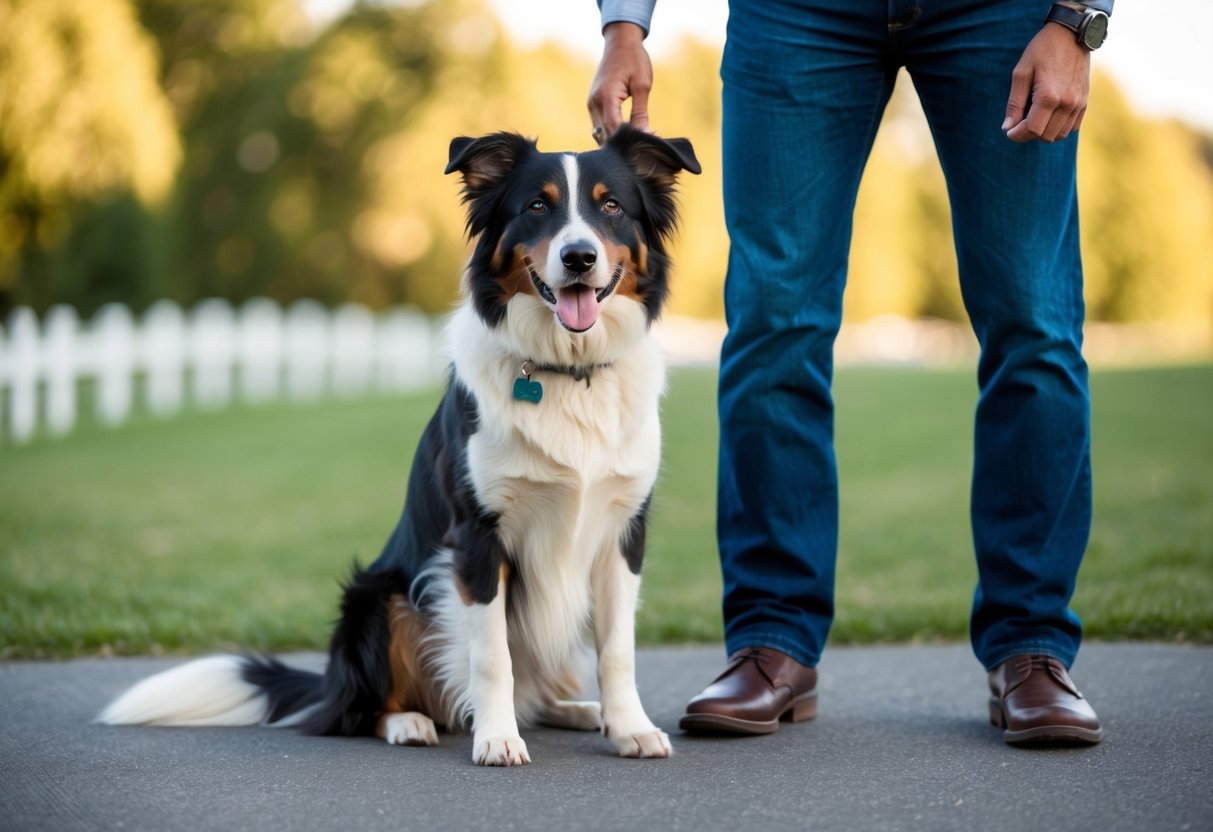
Training your dog effectively is key to developing a strong bond and ensuring good behavior. By focusing on specific techniques, you can help your dog learn commands while also engaging their mind.
Positive Reinforcement and Consistency
Using positive reinforcement is one of the best ways to train your dog. This method rewards good behavior with treats, praise, or playtime. Your dog learns to associate good behavior with positive outcomes, making it more likely they will repeat those actions.
Consistency is essential during training. Always use the same commands and reward structure so your dog understands what you expect. For example, if you say “Sit,” be clear and consistent in your tone and timing. For best results, practice commands regularly, making it fun and engaging.
Mental Stimulation Through Training
Training should also provide mental stimulation for your dog. Boredom can lead to misbehavior, so keeping their mind active is crucial. Engage your dog with new commands, tricks, or challenges.
Consider incorporating dog sports to combine obedience training with physical activity.
Activities like agility training or scent work can boost your dog’s focus and confidence. These exercises not only teach obedience but also provide an outlet for energy.
You’ll notice a more responsive and happier dog when their mind is challenged regularly.
Addressing the Needs of Working Dog Breeds
If you have a working dog, you may need to adjust your training techniques. Breeds like German Shepherds and Border Collies often thrive on structure and purpose. They usually excel in obedience training, especially when a task is involved.
Incorporate activities that cater to their instincts, like retrieve tasks or service dog training. These dogs are naturally inclined to work, so providing them with a job can lead to effective training. Make sessions engaging and rewarding to keep their focus and motivation high.
The Importance of Socialization and Lifestyle
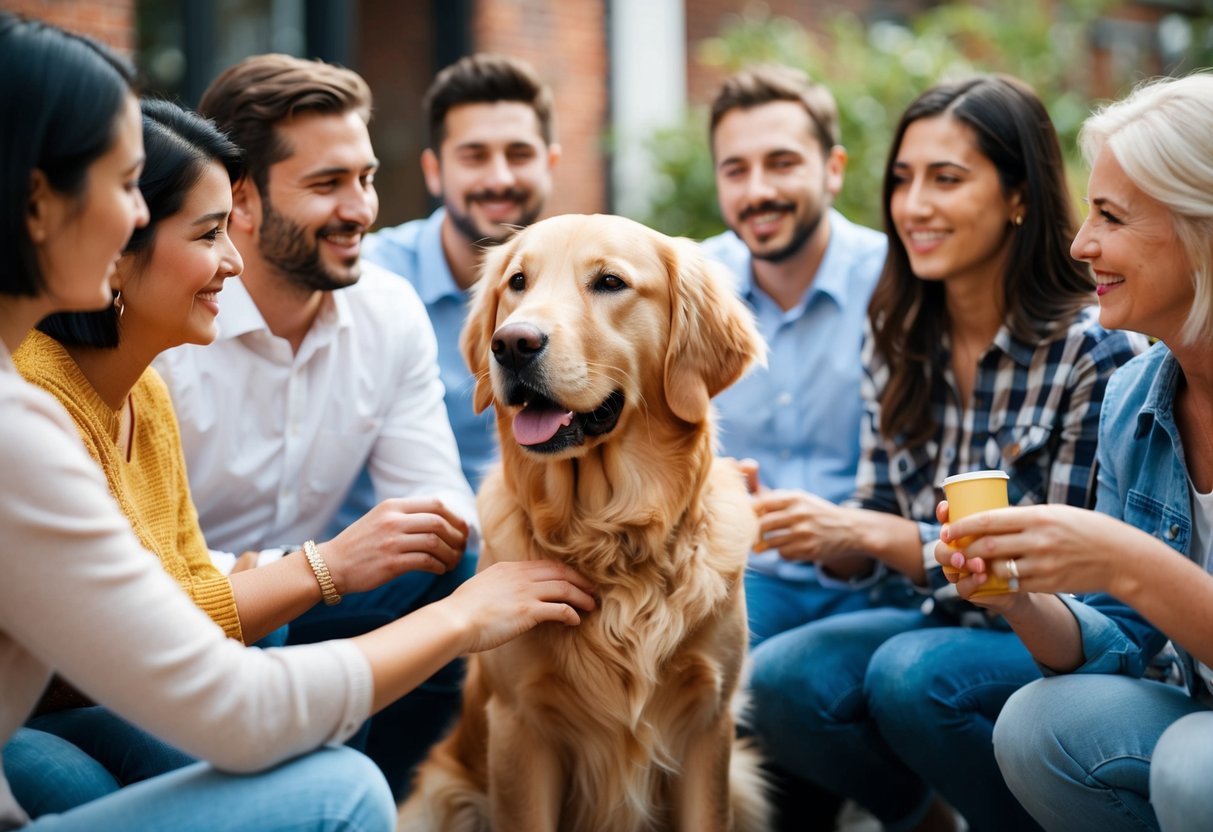
Socialization is crucial for your dog’s overall behavior and adaptability. It shapes how your dog interacts with others and fits into your lifestyle. Understanding how to integrate socialization into training will help you create a well-behaved companion. Additionally, choosing the right dog for your lifestyle ensures a happier relationship.
Integrating Socialization Into Training
Training a dog is much more effective with socialization as a key part. Begin this process early to help your dog become comfortable in various environments.
Take them to parks, pet-friendly stores, or even puppy classes.
Expose your dog to different people, dogs, and situations. This exposure teaches them to react calmly in new settings.
Make socialization a fun and rewarding experience. Use treats and positive reinforcement to encourage desired behaviors.
The more socialized your dog is, the easier it will be for them to adapt to any lifestyle, whether it’s busy or relaxed.
Choosing the Right Dog for Your Lifestyle
It’s essential to choose a dog that matches your lifestyle for long-term happiness. Factors like your activity level and family dynamics are important to consider. Some breeds are naturally more social and adaptable, while others might prefer peace and quiet.
Look for breeds known for their friendliness if you have active family members. Breeds like Labrador Retrievers and Golden Retrievers often make excellent family dogs and therapy dogs. If you need a service dog, breeds like German Shepherds and Poodles are popular for their trainability.
You should also think about your social environment. A well-socialized dog will be less anxious and more comfortable if you frequently have guests at home. Remember, your dog should fit into your life, not the other way around!


