
If you’re considering an arctic fox as a pet, it’s important to know what that really means. While these animals are undeniably unique and captivating, they are wild animals with specific needs that can be hard to meet in a home setting.
You might find their playful nature and striking looks appealing, but caring for an arctic fox involves understanding their wild instincts and requirements.

Owning an arctic fox can be a rewarding experience, but it also presents challenges. Their diet, socialization needs, and environmental requirements differ from more common pets like dogs and cats.
If you’re not prepared to create a suitable habitat and provide a specialized diet, you might want to rethink your decision.
As you explore the idea of having an arctic fox at home, it’s essential to weigh the pros and cons carefully. Knowing the responsibilities involved will help you make an informed choice that benefits you and the animal.
Understanding the Arctic Fox
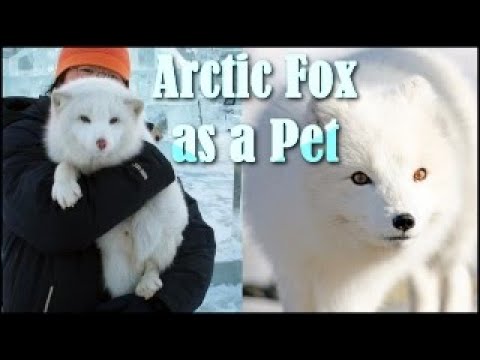
The Arctic fox, known scientifically as Vulpes lagopus, is a unique and resilient species adapted to cold environments. This section explores its physical characteristics and social behavior to help you understand this fascinating animal better.
Physical Characteristics and Habitat
Arctic foxes are small but sturdy animals, weighing between 6 to 10 pounds. Their thick fur provides insulation against harsh Arctic weather.
In summer, this fur changes from white to a brownish color, blending into the tundra.
They have short ears and a bushy tail. These features not only help them retain heat but also aid in balancing while navigating their icy habitat.
Their habitat spans the Arctic regions of North America and Eurasia. The Arctic fox thrives in tundra landscapes, which are often harsh and barren.
It lives in dens, which provide shelter and a safe place for raising kits. These dens can be quite complex, with multiple entrances and chambers.
Behavior and Social Traits
Arctic foxes are social animals and often form small family groups. You might observe them hunting in pairs or playing together.
Their playful nature is essential for social bonding and skill development.
They communicate through a mix of vocalizations, body language, and smells. This helps them stay connected, especially during the mating season and while caring for their young.
In terms of behavior, they are opportunistic feeders. Their diet includes small mammals, birds, and even carrion. They can adapt their hunting techniques based on availability.
Understanding these traits can help you appreciate the Arctic fox’s role in its ecosystem.
Legality and Ethical Considerations of Owning an Arctic Fox

When thinking about having an Arctic fox as a pet, it’s crucial to consider the legal and ethical aspects. Laws can vary significantly based on your location, while ethical concerns address the well-being of wild animals. Let’s dive into the regulations and the moral implications involved in pet ownership of these exotic animals.
Wildlife Regulations and Ownership Laws
You need to check local laws before considering an Arctic fox as a pet. In many places, it is illegal to own one without specific permits or licenses. Wildlife departments have regulations that protect these wild animals.
For example, in some areas, ownership might be limited due to the species’ status under the Convention on International Trade in Endangered Species (CITES).
Make sure to research:
- Local laws: Look up your state’s regulations on exotic pets.
- Permits needed: Understand what documents you must obtain.
- Penalties for illegal ownership: Be aware of possible fines or confiscation of the animal.
Ethical Implications of Keeping Wild Animals
Keeping an Arctic fox raises important ethical questions. These animals are not domesticated pets and have specific needs that might be challenging to meet in a home environment.
Consider the following:
- Natural behaviors: Arctic foxes have instincts that involve roaming large areas, which can be stifled in captivity.
- Habitat needs: They require a space that mimics their natural habitat to thrive physically and mentally.
- Socialization: Unlike traditional pets, these foxes may not enjoy human interaction the same way dogs or cats do.
You must weigh the responsibility of pet ownership against the rights and needs of wildlife.
Caring for an Arctic Fox

Caring for an Arctic fox involves understanding their unique needs. This includes providing a specialized diet, a suitable habitat, and proper socialization. Attention to these areas is vital for your fox’s well-being.
Specialized Diet and Health Needs
An Arctic fox requires a balanced diet to thrive. Their diet should consist of 75% muscle meat, 10% raw bone, 5% offal (like kidneys or liver), and a mix of fruits and vegetables that are safe for pets.
Feeding your fox a raw diet mimics what they would naturally eat in the wild. This is essential for their health and energy.
Be sure to consult a vet to monitor their weight and overall health. Regular checks will help prevent any potential health issues.
Habitat and Environmental Enrichment
Creating a comfortable habitat for your Arctic fox is crucial. They need plenty of space to roam and play.
An outdoor enclosure is ideal, but it must be secure to prevent escape.
Make sure their habitat includes climbing structures, tunnels, and toys to keep them engaged. They are intelligent animals and require mental stimulation.
Regularly changing their environment will keep them curious and happy. Provide areas for both shade and sunshine.
Socialization and Training
When you own an Arctic fox, you should start interacting with your fox from a young age to build trust. Regular playtime and gentle handling help them become more comfortable with people.
Training a fox can be challenging, as they are naturally disobedient compared to dogs. Use positive reinforcement techniques, like treats and praise, to encourage good behavior. Consistency is essential. With patience, your fox can learn basic commands and tricks, making them a more enjoyable companion.


