
Got bees buzzing around your yard or near the house? You’re probably wondering how to get rid of them without making things worse. The best way to handle bees is to use natural, non-harmful methods that nudge them to leave, all while protecting the environment. That way, you keep the bees safe and your space comfortable.

You can try simple tricks like smoke, natural repellents, or just reach out to a professional who knows what they’re doing. If you know what kind of bee you’re dealing with and where they’re nesting, you’ll have a much easier time. Solving the problem the right way keeps everyone out of trouble.
Most Effective Methods to Get Rid of Bees
Start by figuring out which type of bee you’ve got, then go for safe, natural solutions. Sometimes a bee trap works, but other times, you really need a professional. These steps keep you and the bees safe while sorting out the problem.
Identify the Type of Bee on Your Property
Knowing the bee species really matters. Honeybees, carpenter bees, and ground bees all act differently and need different removal strategies.
Honeybees usually settle in sheltered spots like trees or inside walls. Carpenter bees drill into wood and can cause damage. Ground bees dig tunnels underground and sometimes get mistaken for wasps.
Take a close look at their size, color, and how they act. Carpenter bees, for example, look like big bumblebees but have shiny abdomens. Ground bees fly low around the soil. Once you know what you’re dealing with, you can choose the best way to move them along safely.
Use Natural Bee Repellents Safely
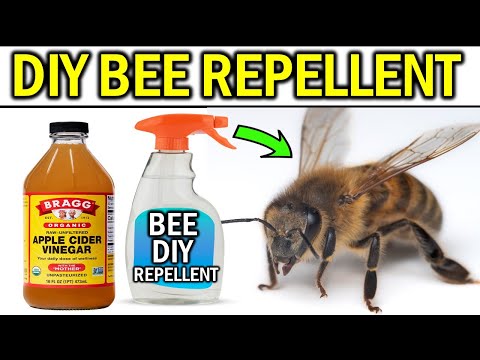
Natural bee repellents offer a gentle way to keep bees from nesting near your home. Try things like cinnamon, vinegar, mothballs, and citronella to make certain areas less inviting. If you plant bee-repelling herbs like eucalyptus or peppermint, that helps too.
Mix up a spray with soapy water or other household ingredients to encourage bees to leave without hurting them. Apply these early in the morning or late in the evening when bees aren’t as active. You’ll get better results and won’t stir them up too much.
Strategic Placement of Bee Traps
Bee traps can help if you’re dealing with too many bees in one spot. Set traps away from places where you hang out, since they’ll attract bees. Use bait like sugar water or fruit inside the trap to draw them in.
Check the traps often and, if you can, move the trapped bees somewhere safe instead of killing them. This way, you control the bee population without hurting pollinators. If you’re feeling DIY, you can even make simple homemade bee traps.
When to Call a Professional for Bee Removal
Sometimes the bee problem is just too much to handle on your own. If you see a big hive, the bees seem aggressive, or someone in your family has allergies, call a professional beekeeper or pest expert.
Pros can figure out the bee species and remove or relocate the hive safely. They have the right gear for tricky spots and can prevent damage to your property. If bees are a health risk or causing real problems, don’t wait—get help.
Natural Remedies and Safe Prevention Techniques

You can keep bees away with certain plants, strong scents, and a few small changes around your house. These tricks won’t harm bees and can stop them from setting up shop too close to you.
Plant Bee-Repelling Herbs and Flowers
Some plants naturally make bees think twice about hanging around. Try planting mint, marigolds, eucalyptus, lemongrass, or garlic in your yard or garden. These all give off smells that bees just don’t like.
Marigolds have a scent that bees avoid. Mint spreads fast and forms a natural barrier. Eucalyptus and lemongrass both have strong aromas that keep bees at bay.
Put these plants near doors, patios, or anywhere you want fewer bees. They look good, and they might even attract other helpful bugs without bothering pollinators.
Use Scented Solutions to Deter Bees
Scents like citronella candles or sprays made with cinnamon, cloves, or cayenne pepper can make bees stay away. Light a citronella candle when you’re outside, and you’ll probably notice fewer bees.
Hang mothballs near trouble spots, but keep them away from kids and pets. Homemade sprays with diluted garlic or vinegar can also convince bees to move along.
Be careful with sprays and oils—you want to keep bees away, not hurt them. Using these scents cuts down on the chance of painful bee stings and keeps your outdoor space a little more peaceful.
Prevent Attracting Bees with Best Practices
Try not to do things that draw bees close to your home. Seal up any cracks or holes, since bees love turning those into hives.
Keep your garbage covered. Clean up any spilled food or sugary drinks right away, because bees seem to find those almost instantly.
If you want fewer bees buzzing around, avoid planting lots of flowering plants close together. Leaving fruit or soda outside? Probably not the best idea—sweet smells attract them fast.
Take away any standing water, too. Bees need water, just like we do, and they’ll show up if it’s easy to find.
When bees become a real problem, you might want to call a professional. Or you could try a gentle bee spray that moves them along without hurting them.
That way, your family stays safe, and the bees get to keep doing their important pollinator work.
Curious about other safe ways to get rid of bees? Check out this natural bee repellent guide.


