
Ever wondered what actually makes bees happy? Turns out, the answer’s pretty sweet—literally. Bees light up when they find sugary nectar, and it seems to put them in a better mood, making them more optimistic and active. Even tiny creatures like bees react to good things in ways that, honestly, feel a lot like emotions.

You can help make bees’ lives better with simple choices. Planting nectar-rich flowers and keeping their hives healthy can really boost their well-being.
When bees feel safe and well-fed, they get more energetic and take better care of their colony. It’s kind of amazing how much your actions matter.
Learning what makes bees content might just change how you see them. If you get what they need, you’ll play a part in keeping nature buzzing.
Sweetness, safety, and a bit of care all add up for happier bees.
How Bees Experience Happiness
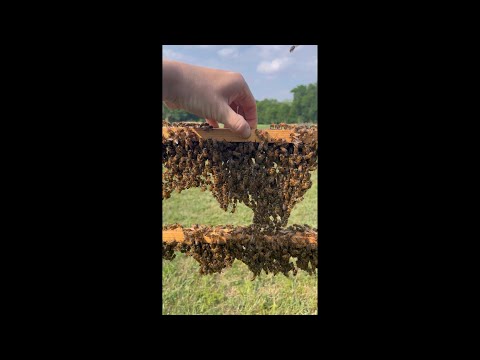
Bees actually show signs of happiness, or something close to it. When they get a reward like sugar, their brains react and their behavior changes.
It’s kind of wild to realize bees live and think in ways that aren’t so different from other animals.
Emotions and Moods in Bees
Bees don’t exactly feel the way humans do, but you can spot their moods. Give a bee some sugar water, and it’ll act more optimistic.
That sure looks like a positive emotion to me. Honeybees remember good and bad times, so they link experiences to their mood.
Scientists watch bee behavior to guess their emotions. Since bees can’t talk, you have to watch how they react to different things.
Their moods shift depending on what’s happening around them.
Bee Brain Function and Animal Cognition
Your brain helps you feel and think, and the bee brain does something similar. Bees have tiny brains, but they’re surprisingly clever.
They learn to tell flowers apart and remember where to find food. That’s animal smarts right there.
Bees don’t have backbones, but their brains still handle a lot. They make decisions, dodge danger, and even talk to other bees.
This mental ability really shapes how you see their feelings.
Dopamine and the Bee Brain
Dopamine’s the stuff in your brain that makes you feel happy. Bees have it too.
When bees eat sugar, their dopamine levels go up. That makes them more active and eager to find more food.
This dopamine boost is why bees seem extra lively after a sugary snack. It changes their behavior and gives them a more optimistic vibe.
So, next time you spot a bee buzzing with excitement, it’s probably dopamine doing its thing.
If you want to dig deeper, check out bees showing dopamine-based positive emotions.
What Makes Bees Happy in Daily Life

Bees really show when they’re feeling good. Their happiness connects to their food, how they remember good stuff, and the world around them.
The Role of Sugar in Bee Happiness
Sugar’s a big deal for bees’ mood. If honeybees get sweet treats like nectar or sugar water, dopamine fires up in their brains.
That chemical makes you feel happy, and it works the same way for bees.
Give bees sugar and they’ll get more optimistic, eager to explore, and just generally upbeat.
Scientists noticed that bees with sugar rewards judged tricky situations more positively. Sugar actually sparks a real emotional response in bees, kind of like when you get your favorite snack.
If bees miss out on sugar or their dopamine gets blocked, they lose interest and act less happy. Sugar really keeps them motivated.
Positive Experiences and Memory
Bees hang on to good and bad memories. When they care for their young or find a great food source, those moments stick.
This helps bees feel safer and, well, happier.
Positive memories help bees make smarter choices. If a flower paid off before, they’ll go back for more, showing they remember happy times connected to food.
These emotional memories make it clear—bees don’t just run on instinct. Their moods actually come from past experiences.
Environmental Factors That Influence Mood
Bees react to their environment when it comes to happiness. Safe, healthy areas with lots of flowers make bees feel secure and boost their positive moods.
But when they face threats like pesticides, diseases, or habitat loss, bees get stressed and their happiness drops. If you want to help, try planting bee-friendly flowers and skip the harmful chemicals.
A clean, flower-rich environment keeps bees healthier and happier. They get to live better lives, surrounded by everything they need to thrive.
For more details, check out research on how good food makes bees happy and how dopamine impacts their mood in bees.


