
If you’ve been stung by a wasp and notice swelling, itching, or redness hours—or even days—later, you could be having a delayed reaction. A delayed reaction to a wasp sting means your body starts showing signs of an allergic response well after the sting, not right away.
These symptoms might spread beyond the sting area and stick around for days.

You might wonder why your reaction didn’t show up immediately. Most stings cause pain or swelling right away, but delayed reactions creep up slower and aren’t as common. Still, it’s important to spot them.
Knowing these delayed symptoms can really help you handle a wasp sting. If your symptoms pop up days later, understanding delayed reactions can help you stay calm and know what to do next.
For more details on what causes these reactions and how to treat them, check out delayed allergic reaction to a wasp sting.
Understanding Delayed Reactions to Wasp Stings

When a wasp stings you, your body can react in ways that don’t always show up right away. Sometimes, swelling or itching appears hours or even days later.
Learning how these delayed reactions work helps you recognize and deal with them.
What Is a Delayed Reaction to a Wasp Sting?
A delayed reaction happens when your body starts to show symptoms long after the sting. Sometimes, you’ll see these signs hours or days later.
Your immune system is still reacting to the wasp venom, just not as quickly as with a typical sting.
Instead of feeling pain or redness right away, you might notice swelling that spreads, a rash, or even just feeling tired. These responses can range from mild discomfort to more serious symptoms.
Delayed reactions aren’t as common as quick ones, but they do happen.
How Delayed Wasp Sting Reactions Differ from Immediate Responses
Immediate reactions hit right after the sting—burning pain, swelling, and redness around the spot. Your body jumps into action because the venom triggers a fast immune response.
Delayed reactions, though, take their time. Your body reacts more slowly to the venom.
This might mean itching, swelling far from the sting, or rashes that spread. Sometimes, you might even feel nauseous or get a mild fever.
Unlike anaphylaxis, which is a severe reaction that happens fast, delayed reactions move slower but can still be uncomfortable and sometimes cause swelling in bigger areas.
Common Symptoms of Delayed Reactions
With delayed wasp sting reactions, you might notice:
- Swelling that lasts or gets bigger for days
- Itching or a rash that spreads beyond the sting
- Redness or color changes around the sting
- Feeling tired or running a mild fever
Sometimes, the swelling actually looks worse two or three days after the sting. Your immune system is still working to fight off the venom.
Most of the time, these aren’t life-threatening, but if things get worse or spread a lot, you should see a doctor.
Time Frame for Delayed Reactions
Delayed wasp sting symptoms usually start a few hours after the sting, but they can show up days later.
- Mild reactions: swelling and itching might stick around for a few hours to a few days.
- More noticeable swelling or rash often appears one to three days after.
- Rarely, big swelling or other allergic reactions might take up to a week.
If your symptoms get worse or start to spread, you should reach out to a doctor. It’s good to know the timeline so you can keep an eye on things.
For more info on symptoms and when to get help, check this page on understanding delayed reactions to wasp stings.
Types, Causes, and Management of Delayed Wasp Sting Reactions
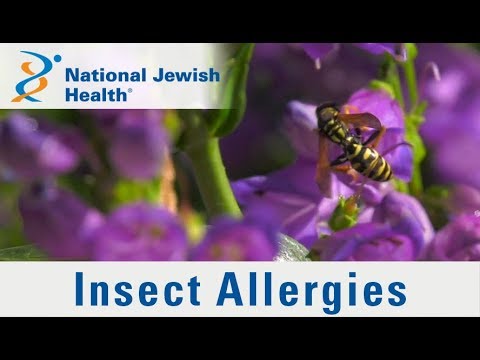
Delayed wasp sting reactions show up in a bunch of different ways, from swelling to more serious allergic responses. Knowing what might happen and how to handle it can help you stay safe and feel a little more in control.
Large Local Reaction and Its Characteristics
A large local reaction happens pretty often as a delayed response to a wasp sting. The area around the sting might slowly get red, itchy, and swollen over hours or days.
Sometimes, the swelling gets pretty big—like, several inches past the sting.
Usually, it’s uncomfortable but not dangerous. The skin might feel warm and tight.
The swelling can last up to a week. You can use cold packs, antihistamines, or pain meds to help.
If the swelling keeps getting worse or spreads a lot, call your doctor.
Delayed Allergic Reactions and Anaphylaxis
Delayed allergic reactions sometimes hit hours or days after a sting. You might get a rash and itching, or in more serious cases, hives and trouble breathing.
Once in a while, someone might get delayed anaphylaxis—a severe allergic reaction—after a few hours.
If you have trouble breathing, swelling in your face or throat, get dizzy, or faint, that’s an emergency. People with a wasp sting allergy should carry an epinephrine auto-injector just in case.
If these symptoms show up, get emergency help right away.
Rare Complications: Serum Sickness and Rhabdomyolysis
Some delayed reactions are rare but serious. Serum sickness can show up days after the sting if your immune system overreacts to the venom.
Symptoms might include fever, joint pain, and a rash that lasts up to two weeks.
Rhabdomyolysis is another rare but serious problem. After multiple stings, muscle tissue can break down, releasing stuff into the blood that’s bad for your kidneys.
You’ll need urgent medical care for that.
When to Seek Medical Help and Treatment Options
Keep an eye out if your reaction gets worse or spreads past the sting site. Get medical help if you have:
- Trouble breathing or swallowing
- Swelling in your face, lips, or throat
- Dizziness, fainting, or a fast heartbeat
- Severe pain or redness that keeps increasing
- Signs of serum sickness like fever or rash
Doctors might use antihistamines, corticosteroids, or epinephrine for bad allergic reactions. If you’ve had a few reactions, they may suggest venom allergy testing to help plan for the future.
Risk Factors and Triggers for Severe Reactions
Some things make you more likely to have a bad reaction to a wasp sting:
- Past severe reactions to stings
- Getting stung multiple times at once
- Asthma or other allergies
- Getting stung near your mouth or throat
If you get stung a lot, you can become more sensitive over time. Knowing your risks helps you stay alert and spot symptoms early.
Prevention Tips for Those at Risk
If you know you’re at risk for severe reactions, you can do a few things to avoid stings.
- Steer clear of spots where wasps hang around
- Skip the bright clothes or floral prints
- Keep your food and drinks covered when you’re outside
- Throw on protective clothing if you’re hiking or gardening
If you already know you’re allergic to wasp stings, don’t forget to carry your epinephrine auto-injector everywhere. Let your friends or family know about your allergy, just in case you need help.


