
Ever wondered how many times one bee can sting you? Well, it really depends on the type of bee.
Most bees can sting you more than once, but honeybees only get one shot. Their stinger gets stuck in your skin, and they don’t survive after that. So, a honeybee can only sting once in its lifetime. Bumblebees, on the other hand, can sting you repeatedly if they want to.
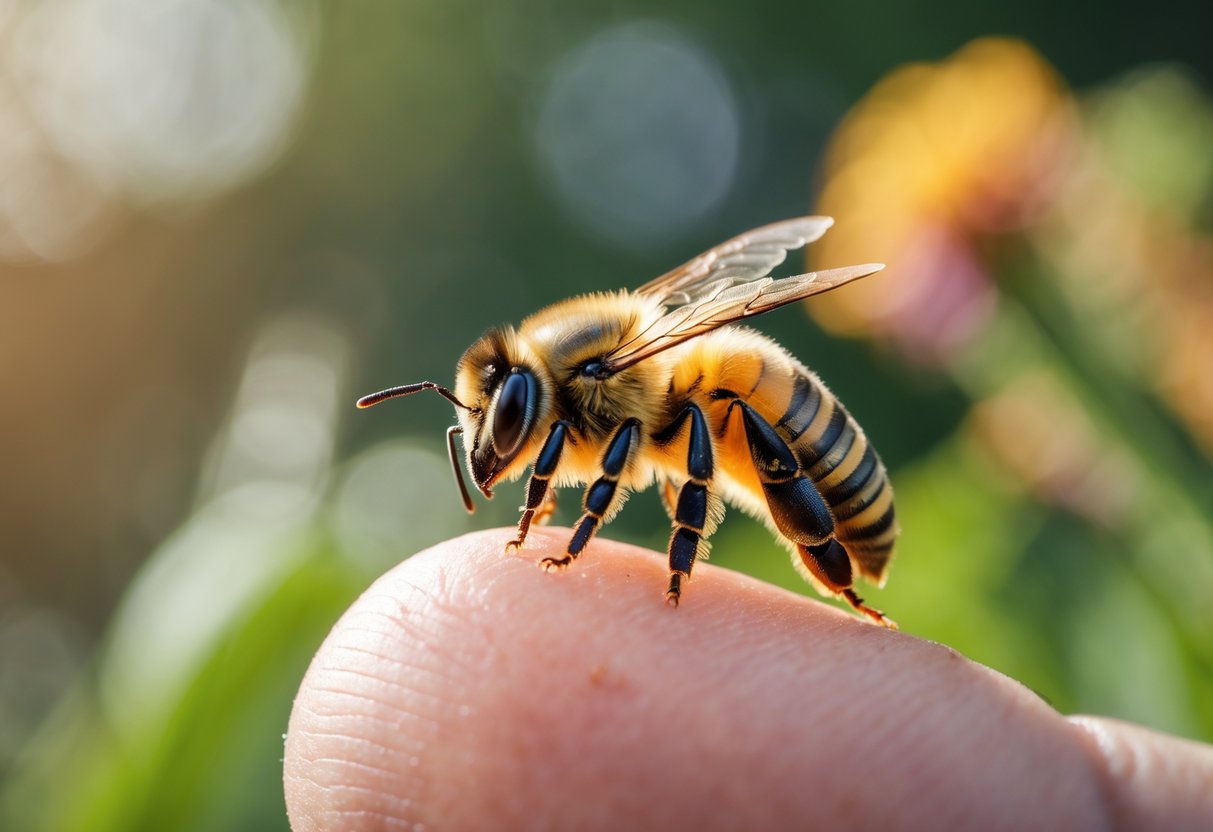
Bees play a huge role in the ecosystem. They pollinate plants and help flowers grow.
Most bees only sting when they feel threatened. It’s helpful to know how their stingers work so you can stay safe—and maybe even appreciate them a little more.
Knowing the difference between bee species and their stinging habits can help you keep calm if you ever run into one.
How Many Times Can 1 Bee Sting You?

You might ask yourself if a single bee can sting you more than once. It really comes down to the type of bee and how its body is built.
Some bees can sting over and over, while others only get one chance before they die. Each sting can change what happens next and how risky it is.
Honey Bees and Their Stinging Limit
Honey bees only sting once. When a honey bee stings, its stinger sticks in your skin.
Tiny barbs on the stinger make it tough to pull out. As the bee tries to fly away, it leaves the stinger and venom sac behind, which ends up killing the bee.
So, honey bees die shortly after they sting. This goes for both common honey bees and Africanized honey bees.
Bumblebees and Other Bee Species
Bumblebees and many other bees can sting you more than once. Their stingers are smoother, so they can pull them out and sting again if they need to.
Bumblebees are bigger, maybe a bit less aggressive, but they can defend themselves pretty well. Other species can do this too.
If you run into different types of bees outdoors, this difference matters.
Multiple Bee Stings from a Swarm
Getting stung by a bunch of bees at once can be dangerous. Each bee adds more venom, making your reaction worse.
If a swarm thinks their hive is in danger, you might see them attack. Killer bees, which are a type of Africanized honey bee, get especially aggressive and attack in larger groups.
How many stings become dangerous? It depends on your size, health, and if you have allergies.
For example, an adult weighing 150 pounds could handle around 1,500 stings, but kids can be in danger with far fewer.
What Happens After a Bee Stings
Right after a sting, you’ll feel a sharp pain and probably notice a red bump. The venom causes swelling, itching, and sometimes a rash.
If you’re allergic, even one sting can be serious—trouble breathing or swelling in your throat can happen fast. If you’re not allergic, those symptoms usually go away in a few hours.
Remove the stinger as soon as you can if it’s still in your skin. That helps reduce the amount of venom and can make the pain a bit less.
Want more details on how bees sting and what happens? Check out how many times can one bee sting you.
Risks, Reactions, and Treatment for Bee Stings
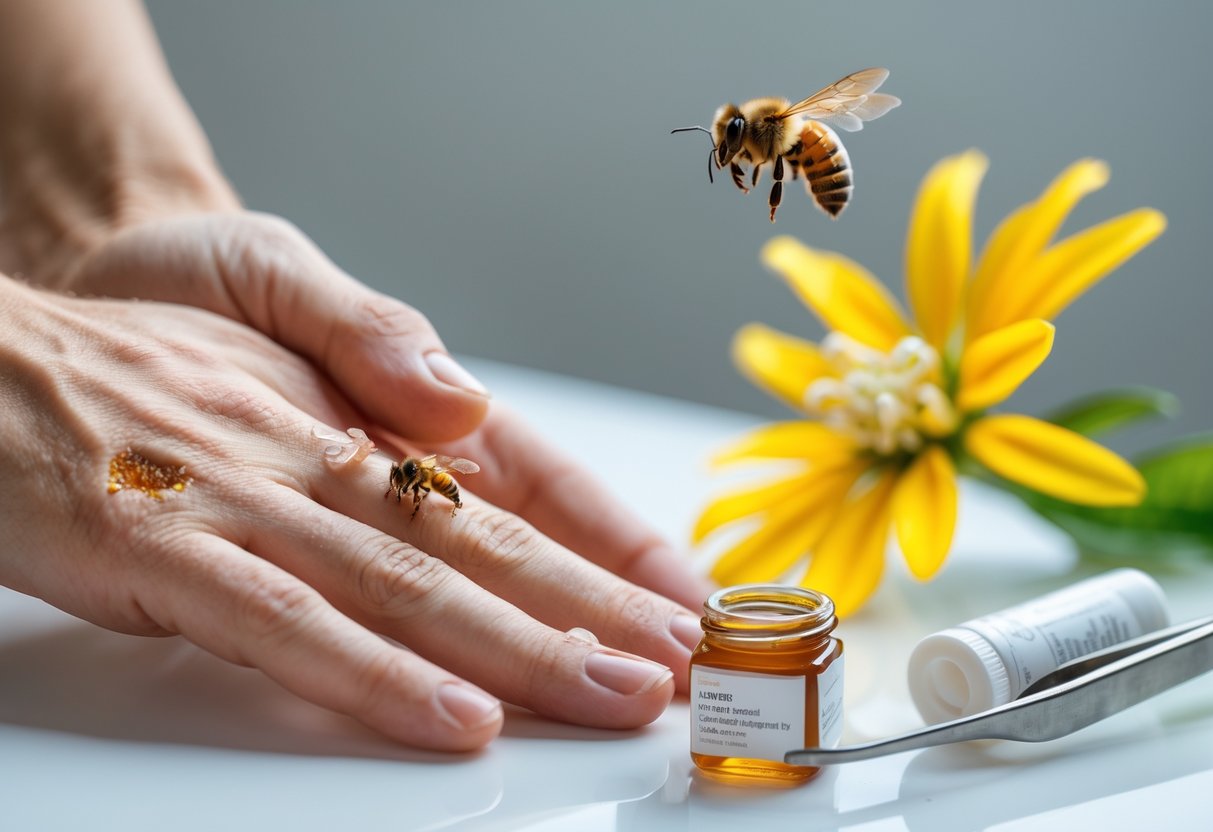
Bee stings can cause all kinds of reactions, depending on how sensitive you are and how many times you get stung.
Most stings just hurt and swell a bit, but sometimes they lead to allergic reactions that need quick attention. Knowing what to look for and how to treat a sting can really help.
Allergic Reactions and Anaphylaxis
If you’re allergic to bee venom, even one sting can set off a dangerous allergic reaction called anaphylaxis.
Watch for signs like trouble breathing, swelling in your face or throat, hives, or your blood pressure dropping. Asthma can make reactions worse.
If you know you’re allergic, keep an epinephrine auto-injector (like an EpiPen) handy and use it right away if you get stung. Don’t wait—get emergency help immediately.
Symptoms of Severe Stings
Severe reactions can happen even if you’re not allergic. Multiple stings mean more venom, which can cause intense swelling, pain, dizziness, or nausea.
The area around the sting might get really red and hot. Sometimes, swelling spreads far from where you were stung—like your whole arm swelling up after a sting on your finger.
Look out for these symptoms:
- Trouble breathing
- Swelling that spreads
- Fast heartbeat
- Confusion or feeling weak
If you notice any of these, get medical help right away.
First Aid and Home Care
For most stings, you can do a few things at home to feel better.
First, get the stinger out if it’s still there—scrape it off gently, but don’t squeeze it. Wash the area with soap and water.
Use a cold compress to help with swelling and pain. Over-the-counter pain relievers or antihistamines can help with discomfort and itching.
Some people put honey on the sting since it’s mildly antibacterial and soothing. Just keep the area clean and watch for signs of infection, like more redness or warmth.
Medical Treatments and Epinephrine
If you notice symptoms of a severe allergic reaction, call for emergency help right away.
Doctors usually give epinephrine because it acts fast to open your airways and boost blood pressure. It’s honestly the go-to medicine in these situations.
You might get antihistamines, steroids, or fluids too. These help bring down swelling and keep your condition stable.
If you have allergies, you should carry an epinephrine auto-injector at all times. Use it immediately after a sting—don’t wait or second-guess.
Afterward, check in with your doctor. Together, you can talk about prevention and maybe consider allergy shots to lower your future risk.


