
If you’re hoping to hang out outside without stressing about bees, your outfit color actually makes a difference. Go for light shades like white, beige, or light brown to keep bees away. These colors just don’t catch a bee’s eye the way dark or super-bright ones do.

Bees see dark colors, like black or red, as threats, so they might get a bit aggressive. When you wear lighter colors, you blend in and lower your chances of getting stung.
It’s such a simple switch, but it really can make your time outdoors a lot more chill.
If you understand how bees react to colors, you can pick clothes that keep you safe and still look good. So, what’s behind this whole color thing, and which shades should you skip if you want to avoid bees?
The Science Behind Bee Attraction to Clothing Colors
Bees, wasps, hornets, and yellow jackets all react differently to colors. What you decide to wear can either make you invisible to them or turn you into a moving target.
If you get how bees see colors and what they connect with flowers or danger, you can make smarter choices for your next hike or picnic.
How Bees See and Perceive Colors
Bees don’t see colors the way we do. They pick up ultraviolet light, but red barely registers for them at all.
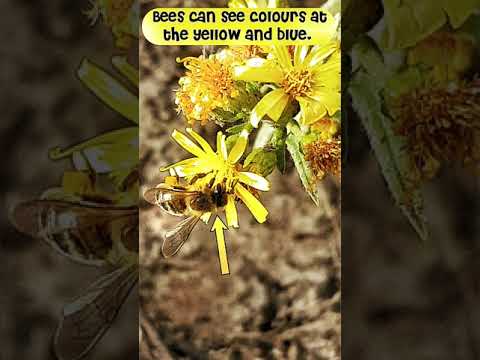
Colors like purple, violet, and blue pop out to bees because they look like flowers that have nectar. If you wear light colors like white or beige, you’re just not that interesting to them.
Bees use their unique vision to find food, so your shirt’s color can totally change how they act around you.
Differences in Attraction: Bright vs. Dark Colors
Bright colors—think blue and purple—pull bees in because they look like nectar-rich flowers. If you wear those shades, you might as well be waving a flag at every bee nearby.
Dark colors, like black or red, can also cause problems. Bees often view these as threats or predators. That’s why beekeepers stick to white suits; they know it keeps bees calmer.
Red and Blue: Visibility and Threat Signals
To bees, red looks almost black, so red clothes can either make you invisible or make you look like a big, dark threat. That can get bees or hornets riled up, and nobody wants that.
Blue, though, is like a bee magnet. It mimics a ton of flowers they love, so if you’re trying to avoid bees, skip the blue shirts and hats.
Impact of Floral Colors and Patterns
Bees love colors that mimic flowers—purple, violet, blue. If your clothes look like blossoms, you’re basically inviting them over.
Yellow and white flowers attract bees too, but light clothes in those shades don’t stand out as much. Patterns can mess things up, though.
Big, bright patterns or mixed colors make you more noticeable. If you want to play it safe, stick to solid, light colors and avoid looking like a bouquet.
Best Strategies to Avoid Bees With Clothing and Scents

Wearing the right colors and being smart about scents really helps you dodge bees. It’s not rocket science, but it does take a little planning.
Pick colors that don’t attract bees, skip strong fragrances, and go for clothes that don’t give bees an easy landing spot. Small tweaks can save you a lot of trouble.
Recommended Colors: Light-Colored and White Clothing
Bees flock to dark and bright colors because they remind them of flowers or predators. If you stick to white, beige, or light brown, you’ll blend in and bees won’t notice you as much.
Beekeepers wear white for a reason—it just works. Smooth, light fabrics also help since bees can’t grip them as easily.
Key Points:
- Go for white, beige, or light brown.
- Pick smooth fabrics.
- Ditch dark colors like black, navy, or red.
This approach helps you stay safe and enjoy your time outside.
Colors and Products to Avoid Outdoors
Skip dark, bright, or patterned clothes. Reds, blacks, and bright yellows can confuse bees and pull them in.
Detergents with UV brighteners make your clothes shine under sunlight, which grabs bees’ attention too. Strong-smelling products like perfume, cologne, or some deodorants are a big no—they attract bees with those sweet scents.
Avoid:
- Dark colors (black, red, navy)
- Bright patterns or prints
- Scented lotions or deodorants
- Laundry detergents with UV brighteners
Cutting these out helps keep bees off your radar.
Role of Scents and Natural Repellents
Bees have a sharp sense of smell and use it to find flowers. If you wear perfume or scented deodorant, you’re basically calling them over.
Go for unscented or barely scented personal care stuff. Natural repellents can help too—essential oils like lavender, eucalyptus, mint, citronella, and peppermint keep bees at bay.
Add a few drops to a homemade spray or dab some on your clothes, but don’t overdo it. Too much oil can attract other bugs, and that’s a whole different problem.
Try these natural scents:
- Lavender
- Eucalyptus
- Mint
- Citronella
- Peppermint
Just use them lightly and you’ll keep bees (and maybe a few other critters) away.
Additional Tips: Movement, Fabrics, and Protective Clothing
Try to move slowly and stay calm around bees. Quick, jerky actions tend to set them off, and honestly, they see sudden motion as a threat.
Pick clothes made from tightly woven, smooth fabrics. That way, bees can’t crawl through the fibers quite so easily.
If you’re working near bees, toss on some protective gear—a beekeeper’s hat or a mesh veil works well. I’d cover up any openings with tape, just to be safe.
You could try insect repellent sprays made for bees, though I’ll admit, not all of them work the same. Some folks use dryer sheets to keep bees away, but honestly, they’re not as reliable as proper repellents or real protective gear.
Extra tips include:
- Move calmly
- Wear smooth, tight fabrics
- Use mesh coverings and tape around openings
- Apply insect repellent designed for bee prevention
Mixing these habits with the right clothing and scents really cuts down your chances of getting stung.


