
When winter rolls in, have you ever wondered where all the bees vanish to? It’s kind of a mystery unless you know a bit about their habits.
Most honeybees stick around inside their hives, squeezing together to stay warm. They cluster around the queen, sharing body heat to make it through until spring.
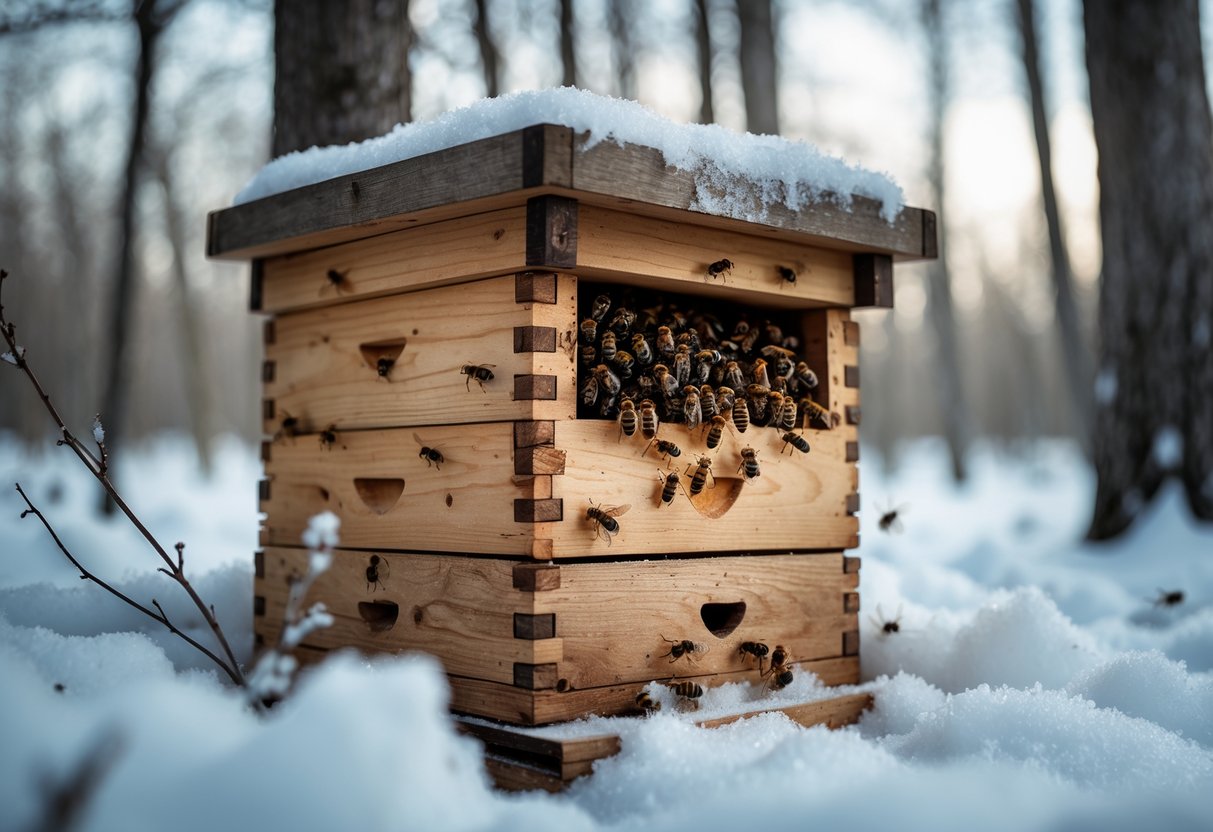
Not every bee does the same thing, though. Some, like bumblebee queens, go off on their own and hibernate, tucked away somewhere safe.
A lot of solitary bees don’t even survive the winter at all. Learning how bees deal with winter helps you see what they need and maybe even how you can pitch in.
If you’ve ever been curious about these busy insects when the flowers disappear, let’s dig into how bees handle winter’s chill. Honestly, their winter routines are fascinating—and you might be surprised at how much you can help them out.
Where Do Bees Go in the Winter?

Bees have a few tricks for getting through winter. Some gather together to stay warm, while others hide out alone underground or in some cozy nook.
Their winter survival plans really depend on the type of bee and where they are in their life cycle.
Honey Bees and the Winter Cluster
Honey bees huddle in a tight group called a winter cluster inside their hive. You’ll see the queen bee and her worker bees buzzing their muscles to make heat.
They eat stored honey to keep their energy up. Even if it’s freezing outside, the cluster keeps the queen toasty.
When there’s a warm spell, honey bees take quick cleansing flights to get rid of waste. You probably won’t spot them flying around when it’s super cold.
Bumblebee Queens’ Winter Survival
Only new queen bumblebees make it through the winter. After they mate in late summer or early fall, these queens search for hidden spots to hibernate, like underground burrows or under piles of leaves.
The rest of the bumblebee colony—workers and males—don’t survive past autumn. The queen stays tucked away, barely moving, until spring comes and she can start over.
It’s almost like they hit pause on life. Their safety really depends on finding a spot that keeps them away from harsh weather and hungry animals.
Solitary Bees’ Overwintering Strategies
Most bees out there—like mason bees, leafcutter bees, and tawny mining bees—live solo. They don’t do the whole colony thing and usually spend winter as larvae or pupae inside their nests.
These bees pick hollow stems, old wood holes, or tunnels in the ground for their nests. They seal up the entrance to stay safe.
Inside, they go into a sort of hibernation known as overwintering. Adult solitary bees don’t survive the whole winter; they wrap up their life cycles before it gets really cold and leave the next generation tucked away until spring.
How to Help Bees During Winter

You can actually help bees out in winter by giving them safe spots, food, and the right kind of shelter. Even small changes can make a difference for them.
Supporting Winter Habitats
Bees need warm, protected places to ride out the cold. If you leave some wild plants and fallen leaves alone, you give them shelter.
Planting winter aconite helps, too—it blooms early, offering nectar when nothing else does.
Try not to tidy up your garden too much in late fall. Dead stems and wood piles create hiding places for solitary bees.
Cutting back on pesticides matters, especially in winter, since bees are more at risk when they’re not active.
Providing Food Sources for Bees
Bees like honey bees rely on their own stored honey, but wild and solitary bees need food outside the hive. Flowers like winter aconite or early-blooming crocuses can help by offering nectar and pollen.
You can leave a few seed piles that’ll turn into bee-friendly flowers by spring. Don’t cut back every plant in fall—some flowers and seeds are still useful for bees.
A shallow dish of water with pebbles gives bees a safe spot to drink, too.
Building and Maintaining Bee Hotels
Bee hotels give solitary bees a safe spot to nest. Pick a dry, sunny area, somewhere out of the wind and rain, for your bee hotel.
Try using dry hollow stems or small tubes—they work well for nesting. Skip treated wood or paint; natural materials are much better.
Every year, take a little time to clean your bee hotel. Scrub out old debris and check for mold or parasites.
If you want, you can build a simple bee hotel yourself. Or maybe you’d rather buy one that’s made for winter use.
When you keep bee hotels clean and in a good spot, you’re making life easier for bees during cold months. Want more tips? Check out building and caring for bee hotels.


